ALL

Punk
Punk Rock
Skate Punk
 Viberate Rank: 136266
 Viberate Rank: 136266
 Monthly ListenersFollowers
 Subscribers
 Followers
 Followers
 FansTop Spotify Songs
| Track | 7-Day Streams | |
|---|---|---|
1 | 6.67K | |
2 | 3.77K | |
3 | 2.68K | |
4 | 2.02K | |
5 | 1.95K |
Top YouTube VideosMonthly ListenersFeatured in Playlists| Playlist | Followers | |
|---|---|---|
1 |  Fidi & Bumsi Spotify | 353.24K |
2 |  Punk Rock - by 23punk 23punk | 87.77K |
3 |  Punk-O-Rama 1-10 CptFuzzball | 23.21K |
4 | 90's era Ska & Punk mix Dick Duffy | 17.34K |
5 | The Best Songs mark.hoppus | 15.33K |
Audience| City | Monthly Listeners | |
|---|---|---|
1 | | 983 |
2 | | 699 |
3 |  | 577 |
4 |  | 500 |
5 | | 488 |
See full performance history, audience data, playlist activity, rankings, comparisons, and more in Viberate music analytics. Start with a free trial, then continue with a paid plan.
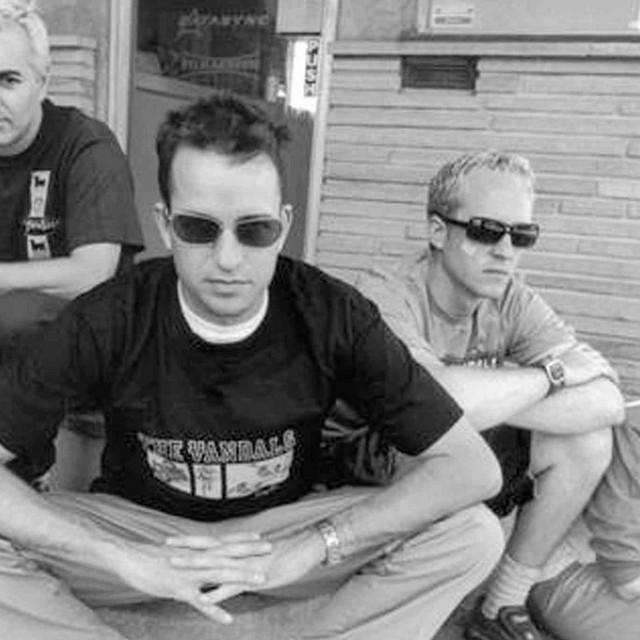
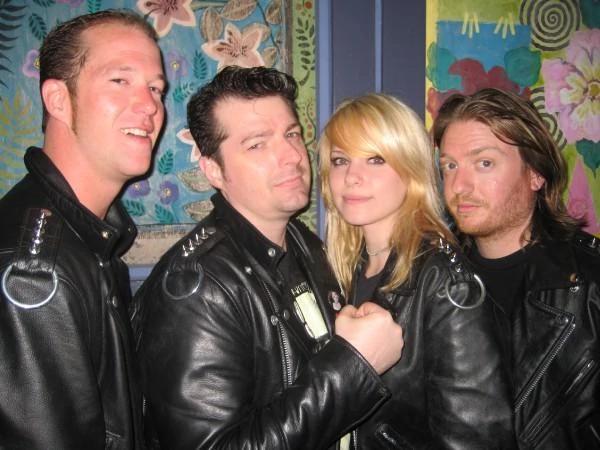
ALL’s Spotify BioWhen renowned (and often copied) Los Angeles punk rockers the Descendents were forced to go on hiatus in the late '80s when singer Milo Aukerman left the group to attend college full-time, the remaining members decided to carry on under a different name: ALL (lifted from the title of the Descendents' final 1987 studio recording). Former Descendents members Bill Stevenson (drums), Stephen Egerton (guitar), and Karl Alvarez (bass) were all in attendance, as former Dag Nasty frontman Dave Smalley assumed vocal duties. The group signed on with the Cruz label, issuing an EP and a full-length album in 1988, Allroy for Prez and Allroy Sez, before Smalley was replaced with Scott Reynolds. The Reynolds-led version of ALL issued four albums overall: 1989's Allroy's Revenge, 1990's Trailblazer: Live and Allroy Saves, and 1992's Percolator (in addition to their own releases, the entire band backed original Descendents' bass player Tony Lombardo on his 1991 solo release New Girl, Old Story, which… was credited to Tonyall). Soon after, it was then Reynolds' turn to bid the band farewell (later turning up in the bands Goodbye Harry and the Pavers) and Chad Price stepped in, resulting in such further releases as the band's last release for Cruz, 1993's Breaking Things. 1995's brief allegiance with a major label (Interscope) brought Pummel before they signed on with Epitaph and issuing 1998's Mass Nerder, 1999's self-titled release, and 2000's Problematic. In 1996, Aukerman and Stevenson teamed up once more to briefly reunite the Descendents (with ALL members Alvarez and Egerton filling in for the others), resulting in a tour and an all-new studio album, Everything Sucks. ~ Greg Prato, Rovi
Viberate is a music analytics platform built for A&Rs, artist managers, labels, booking agents, marketers, and artists.
It helps music professionals track artist growth, analyze audience data, monitor playlist activity, compare artists, follow song performance, and identify opportunities across the music market.
Public artist pages provide a free preview of selected artist data. Paid plans provide access to deeper analytics, historical data, charts, comparisons, playlist tools, exports, alerts, reports, and additional professional features.
Yes. Public Viberate artist pages provide selected artist analytics and music data for free.
Viberate also offers a 7-day free trial of the full platform. A credit card is required to start the trial. The trial includes access to the complete product so users can test deeper artist analytics, historical views, playlist insights, comparisons, charts, exports, alerts, and reporting features before choosing a paid plan.
Viberate provides artist analytics across streaming, playlists, social media, video, radio airplay, songs, and audience markets.
Users can analyze Spotify performance, Spotify and Apple Music playlists, YouTube activity, TikTok and Instagram growth, radio spins, song performance, audience locations, demographics, rankings, and overall artist momentum.
Artist profiles also connect to music charts, similar artists, and comparison tools, helping users benchmark performance and evaluate artists in context.
Viberate updates key artist and track data daily.
For followed artists and tracks, selected data is refreshed multiple times per day. This helps teams monitor playlist changes, streaming movement, audience growth, releases, and campaign performance with more current data.
Update frequency can vary depending on the metric and data source.
Yes. Viberate lets users compare up to five artists side by side across streaming, social media, audience, and engagement metrics.
Users can compare fanbase growth, audience demographics, locations, Spotify performance, social metrics, and other artist data over selected time periods.
Artist comparison can be used for A&R scouting, benchmarking, booking decisions, campaign planning, and evaluating artists with similar audiences or market positions.