Shannon

Pop
Mainstream Pop
Funk
Dance
 Viberate Rank: 43227
 Viberate Rank: 43227
 Monthly ListenersFollowers
 Subscribers
 Followers
 Followers
 FansTop Spotify Songs
| Track | 7-Day Streams | |
|---|---|---|
1 | 164.65K | |
2 | 19.95K | |
3 | 15.12K | |
4 | 4.04K | |
5 | 4.04K |
Top YouTube VideosMonthly ListenersFeatured in Playlists| Playlist | Followers | |
|---|---|---|
1 |  Dance Classics Spotify | 1.82M |
2 |  I Love My '80s Hip-Hop Spotify | 459.55K |
3 |  80s Remix 90s Remix Club & Dance Lazerboyz | 134.41K |
4 | **80s R&B Hits** Chrismix | 119.20K |
5 |  Kaulhitz von Bill & Tom Kaulitz Spotify | 111.60K |
Audience| City | Monthly Listeners | |
|---|---|---|
1 | | 13.66K |
2 | | 9.84K |
3 | | 9.26K |
4 |  | 8.50K |
5 |  | 8.22K |
See full performance history, audience data, playlist activity, rankings, comparisons, and more in Viberate music analytics. Start with a free trial, then continue with a paid plan.
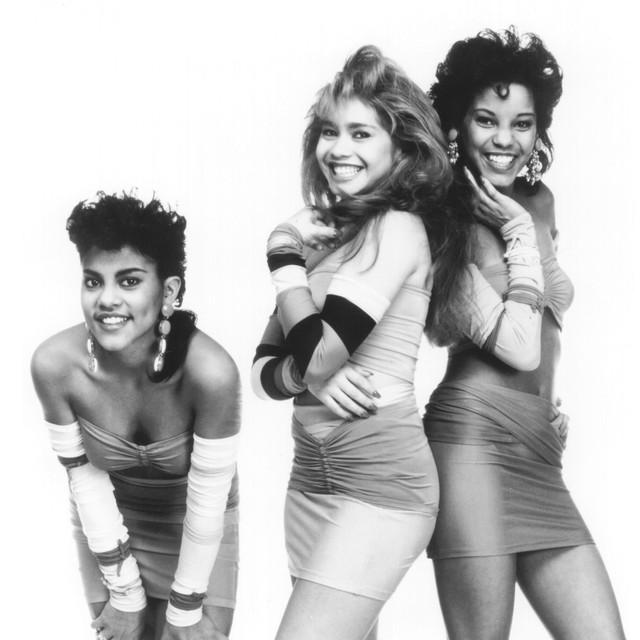
Shannon’s Spotify BioShannon is a trailblazing American singer-songwriter and the "Queen of Freestyle," whose groundbreaking blend of dance, R&B, and electronic music helped define the sound of the 1980s. Born Brenda Shannon Greene in Washington, D.C., she burst onto the music scene in 1983 with her debut single "Let the Music Play." The song became an instant classic, reaching the top of the dance charts and crossing over to mainstream success. Its infectious beats, innovative production, and Shannon's powerful vocals established freestyle as a genre and earned her global acclaim.
Following the success of "Let the Music Play," Shannon continued to release hits like "Give Me Tonight," "My Heart’s Divided," and "Do You Wanna Get Away," cementing her place as a dance music icon. Her unique ability to blend soulful melodies with pulsating rhythms resonated with audiences, making her a fixture on the dance floor and in pop culture.
Shannon's influence on electronic and dance music remains profound, inspiring… countless artists and DJs. Her timeless tracks continue to captivate listeners, proving that her legacy as a pioneer in music is as enduring as her unforgettable sound.
I verify.
Viberate is a music analytics platform built for A&Rs, artist managers, labels, booking agents, marketers, and artists.
It helps music professionals track artist growth, analyze audience data, monitor playlist activity, compare artists, follow song performance, and identify opportunities across the music market.
Public artist pages provide a free preview of selected artist data. Paid plans provide access to deeper analytics, historical data, charts, comparisons, playlist tools, exports, alerts, reports, and additional professional features.
Yes. Public Viberate artist pages provide selected artist analytics and music data for free.
Viberate also offers a 7-day free trial of the full platform. A credit card is required to start the trial. The trial includes access to the complete product so users can test deeper artist analytics, historical views, playlist insights, comparisons, charts, exports, alerts, and reporting features before choosing a paid plan.
Viberate provides artist analytics across streaming, playlists, social media, video, radio airplay, songs, and audience markets.
Users can analyze Spotify performance, Spotify and Apple Music playlists, YouTube activity, TikTok and Instagram growth, radio spins, song performance, audience locations, demographics, rankings, and overall artist momentum.
Artist profiles also connect to music charts, similar artists, and comparison tools, helping users benchmark performance and evaluate artists in context.
Viberate updates key artist and track data daily.
For followed artists and tracks, selected data is refreshed multiple times per day. This helps teams monitor playlist changes, streaming movement, audience growth, releases, and campaign performance with more current data.
Update frequency can vary depending on the metric and data source.
Yes. Viberate lets users compare up to five artists side by side across streaming, social media, audience, and engagement metrics.
Users can compare fanbase growth, audience demographics, locations, Spotify performance, social metrics, and other artist data over selected time periods.
Artist comparison can be used for A&R scouting, benchmarking, booking decisions, campaign planning, and evaluating artists with similar audiences or market positions.