Alan Vega

Punk
Punk Rock
Garage Rock
 Viberate Rank: 106409
 Viberate Rank: 106409
 Monthly ListenersFollowers
 Subscribers
 Followers
 Followers
 FansTop Spotify Songs
| Track | 7-Day Streams | |
|---|---|---|
1 | 4.85K | |
2 | 4.35K | |
3 | 4.23K | |
4 | 3.76K | |
5 | 2.08K |
Top YouTube VideosMonthly ListenersFeatured in Playlists| Playlist | Followers | |
|---|---|---|
1 |  Oscuros 80 Spotify | 277.83K |
2 | wicks Brennan McDowell | 43.73K |
3 |  Social Distancing Distortion Matt Berninger | 35.86K |
4 | Daft Punk Guy-Manuel de Homem-Christo Playlist Daft Punk | 35.49K |
5 | 80's New Wave Pascal Amiaud | 31.90K |
Audience| City | Monthly Listeners | |
|---|---|---|
1 |  | 1.72K |
2 |  | 1.60K |
3 |  | 1.18K |
4 |  | 796 |
5 | | 673 |
See full performance history, audience data, playlist activity, rankings, comparisons, and more in Viberate music analytics. Start with a free trial, then continue with a paid plan.
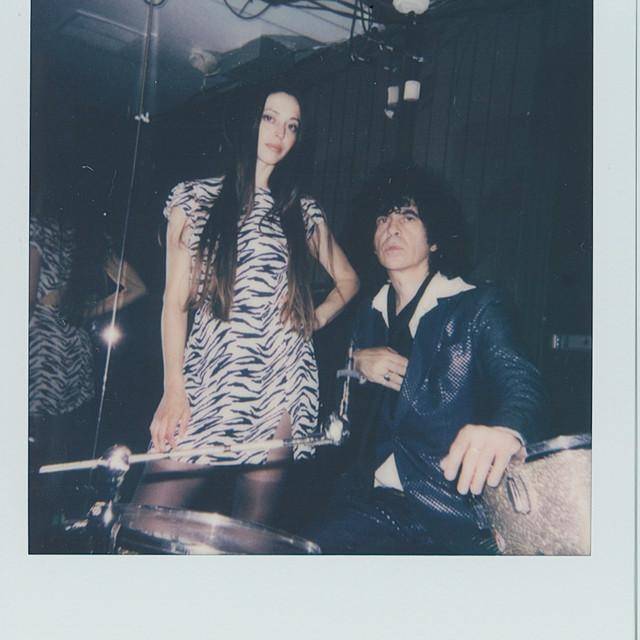
Alan Vega’s Spotify BioAlan Vega's name is synonymous with uncompromising creativity, from the late 1950s, through his years playing in Suicide, and all the way up until his death in 2016, Vega was constantly creating. This process inevitably led to a wealth of material that didn’t see the light of day immediately when it was recorded, which came to be known as The Vega Vault Project, led by Liz Lamere and Jared Artaud (The Vacant Lots).
Mutator (Sacred Bones Records) and Insurrection (In The Red Records) were the first two in a series of archival releases from the Vault. The following releases following The Vega Vault Project are the remastered reissues of Alan Vega’s solo legacy: Alan Vega, Collision Drive, and the expanded Alan Vega Deluxe Edition, out January 23, 2026 on Sacred Bones Records.
Alan Vega’s self-titled debut solo album was originally released in 1980. The album, which includes defining tracks like “Jukebox Babe”, “Bye Bye Bayou” and “Ice Drummer”, translates early rock 'n roll through an… art-punk filter that stands the test of time as a cult masterpiece in its own right. Collision Drive is Alan Vega’s second solo studio album, originally released in 1981. If his debut laid the groundwork for a raw, minimalist take on rockabilly and blues, Collision Drive expands the palette with a grittier, more layered, and unfiltered energy. These two of his solo albums are now available on streaming services for the first time.
Viberate is a music analytics platform built for A&Rs, artist managers, labels, booking agents, marketers, and artists.
It helps music professionals track artist growth, analyze audience data, monitor playlist activity, compare artists, follow song performance, and identify opportunities across the music market.
Public artist pages provide a free preview of selected artist data. Paid plans provide access to deeper analytics, historical data, charts, comparisons, playlist tools, exports, alerts, reports, and additional professional features.
Yes. Public Viberate artist pages provide selected artist analytics and music data for free.
Viberate also offers a 7-day free trial of the full platform. A credit card is required to start the trial. The trial includes access to the complete product so users can test deeper artist analytics, historical views, playlist insights, comparisons, charts, exports, alerts, and reporting features before choosing a paid plan.
Viberate provides artist analytics across streaming, playlists, social media, video, radio airplay, songs, and audience markets.
Users can analyze Spotify performance, Spotify and Apple Music playlists, YouTube activity, TikTok and Instagram growth, radio spins, song performance, audience locations, demographics, rankings, and overall artist momentum.
Artist profiles also connect to music charts, similar artists, and comparison tools, helping users benchmark performance and evaluate artists in context.
Viberate updates key artist and track data daily.
For followed artists and tracks, selected data is refreshed multiple times per day. This helps teams monitor playlist changes, streaming movement, audience growth, releases, and campaign performance with more current data.
Update frequency can vary depending on the metric and data source.
Yes. Viberate lets users compare up to five artists side by side across streaming, social media, audience, and engagement metrics.
Users can compare fanbase growth, audience demographics, locations, Spotify performance, social metrics, and other artist data over selected time periods.
Artist comparison can be used for A&R scouting, benchmarking, booking decisions, campaign planning, and evaluating artists with similar audiences or market positions.