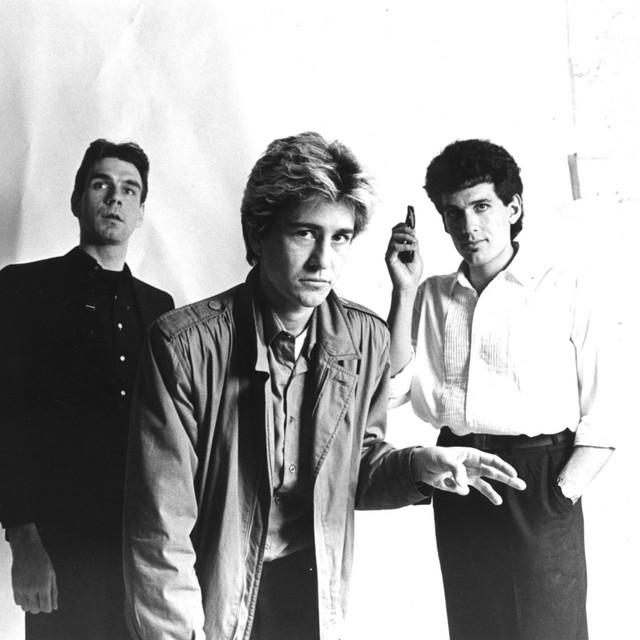
Tuxedomoon

Punk
Punk Rock
Post Punk
 Viberate Rank: 101227
 Viberate Rank: 101227
 Monthly ListenersFollowers
 Subscribers
 Followers
 Followers
 FansTop Spotify Songs
| Track | 7-Day Streams | |
|---|---|---|
1 | 7.69K | |
2 | 5.62K | |
3 | 2.54K | |
4 | 1.12K | |
5 | 1.05K |
Top YouTube VideosMonthly ListenersFeatured in Playlists| Playlist | Followers | |
|---|---|---|
1 |  Élite - The Soundtrack Spotify | 318.59K |
2 | CamilaQDaily | 37.06K |
3 |  ⭕ FEEL MY BICEP PLAYLIST ⭕ Bicep | 35.05K |
4 | 80's New Wave Pascal Amiaud | 31.90K |
5 |  Élite Season 7 Carlos | 29.68K |
Audience| City | Monthly Listeners | |
|---|---|---|
1 |  | 1.59K |
2 |  | 1.45K |
3 |  | 752 |
4 |  | 656 |
5 |  | 564 |
See full performance history, audience data, playlist activity, rankings, comparisons, and more in Viberate music analytics. Start with a free trial, then continue with a paid plan.
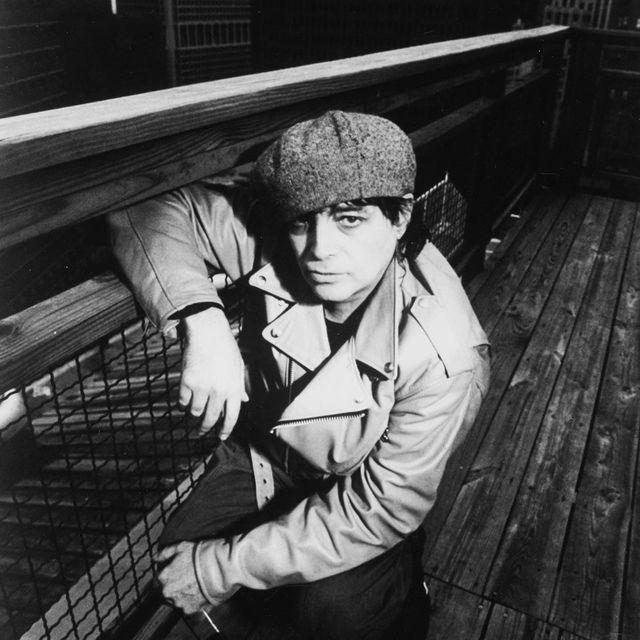
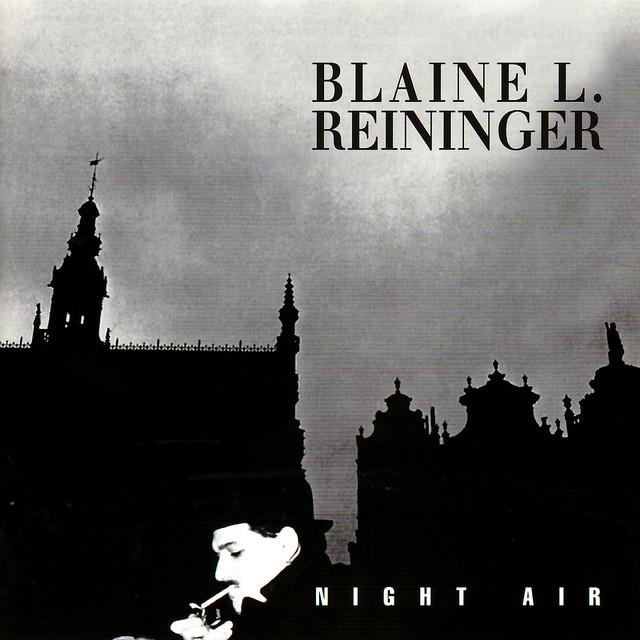
Tuxedomoon’s Spotify BioThe music of avant-garde, electronic-oriented collective Tuxedomoon ranged from new wave pop to jazz fusion to more experimental synthesizer soundscapes (usually including saxophone and violin), which were frequently married in concert to performance art shows. The group was formed in San Francisco in 1977 by two electronic music students at San Francisco City College, Blaine L. Reininger (keyboards, violin) and Steven Brown (keyboards, other instruments). Brown's local theater connections supplied equipment and occasional vocalists in Gregory Cruikshank and Victoria Lowe, plus more frequent contributions from singer and performance artist Winston Tong. Punk and new wave were opening up the San Francisco music scene at the time, and Tuxedomoon landed an opening slot for Devo in 1978 at around the same time they cut their first single, "Pinheads on the Move." Lowe quit the band before their first EP, No Tears, which featured off-and-on members Michael Belfer (guitar) and Paul Zahl… (drums). Tong and Belfer departed temporarily, and Peter Principle (b. Peter Dachert) joined as a full-time member.
Tuxedomoon signed to the Residents' Ralph Records in 1979, which eventually got them overseas exposure. Feeling that their ideas were more in tune with the European electronic music scene, the group toured Europe after 1980's Half Mute, for which Tong returned with filmmaker and visual artist Bruce Geduldig. After 1981's Desire, the band relocated permanently to Rotterdam, where Reininger began to branch out as a solo artist. Tuxedomoon were also hired to score a Maurice Bejart ballet, the results of which were released in 1982 as Divine. Reininger left for a solo career in 1983 and was replaced by Frankie Lievaart and horn player Luc van Lieshout.
In between side projects and scoring, the band sought an international deal for its forthcoming LP, Holy Wars; it was eventually released in 1985 and became the band's biggest commercial success. Tong left the group for good that year, leaving Brown and Principle the only remaining San Francisco members; multi-instrumentalist Ivan Georgiev was hired to replenish the group's sound for 1986's Ship of Fools album and tour. After 1987's jazz fusion-oriented You, Tuxedomoon significantly slowed their rate of output, but members remained active with outside pursuits. They issued only two albums, The Ghost Sonata (based on a 1982 production) and Joeboy in Mexico (with the name Tuxedomoon nowhere to be found on the packaging), during the '90s. The following decade, Brown, Principle, Reininger, and van Lieshout reconvened to release Cabin in the Sky (2004), Bardo Hotel Soundtrack (2006), and Vapour Trails (2007). A 2007 box set, the elaborate 7707 tm, marked Tuxedomoon's 30th anniversary. Peter Principle died in July 2017 in Brussels, Belgium at the age of 63. ~ Steve Huey, Rovi
Viberate is a music analytics platform built for A&Rs, artist managers, labels, booking agents, marketers, and artists.
It helps music professionals track artist growth, analyze audience data, monitor playlist activity, compare artists, follow song performance, and identify opportunities across the music market.
Public artist pages provide a free preview of selected artist data. Paid plans provide access to deeper analytics, historical data, charts, comparisons, playlist tools, exports, alerts, reports, and additional professional features.
Yes. Public Viberate artist pages provide selected artist analytics and music data for free.
Viberate also offers a 7-day free trial of the full platform. A credit card is required to start the trial. The trial includes access to the complete product so users can test deeper artist analytics, historical views, playlist insights, comparisons, charts, exports, alerts, and reporting features before choosing a paid plan.
Viberate provides artist analytics across streaming, playlists, social media, video, radio airplay, songs, and audience markets.
Users can analyze Spotify performance, Spotify and Apple Music playlists, YouTube activity, TikTok and Instagram growth, radio spins, song performance, audience locations, demographics, rankings, and overall artist momentum.
Artist profiles also connect to music charts, similar artists, and comparison tools, helping users benchmark performance and evaluate artists in context.
Viberate updates key artist and track data daily.
For followed artists and tracks, selected data is refreshed multiple times per day. This helps teams monitor playlist changes, streaming movement, audience growth, releases, and campaign performance with more current data.
Update frequency can vary depending on the metric and data source.
Yes. Viberate lets users compare up to five artists side by side across streaming, social media, audience, and engagement metrics.
Users can compare fanbase growth, audience demographics, locations, Spotify performance, social metrics, and other artist data over selected time periods.
Artist comparison can be used for A&R scouting, benchmarking, booking decisions, campaign planning, and evaluating artists with similar audiences or market positions.