Holger Czukay

Electronic
Dance
 Viberate Rank: 159840
 Viberate Rank: 159840
 Monthly ListenersFollowers
 Subscribers
 Followers
 Followers
 FansTop Spotify Songs
| Track | 7-Day Streams | |
|---|---|---|
1 | 3.82K | |
2 | 2.97K | |
3 | 1.93K | |
4 | 474 | |
5 | 356 |
Top YouTube VideosMonthly ListenersFeatured in Playlists| Playlist | Followers | |
|---|---|---|
1 |  ⭕ FEEL MY BICEP PLAYLIST ⭕ Bicep | 35.05K |
2 |  Cillian Murphy’s Music Mixtape V1 BBC 6 2019 (volumes 1-16) Bia ✨ | 32.74K |
3 | 80's New Wave Pascal Amiaud | 31.90K |
4 |  Smooth Jazz (Numero Group) Numero Group Concierge | 29.27K |
5 |  1001 albums you must hear before you die Manel Juanico Iveldie | 26.57K |
Audience| City | Monthly Listeners | |
|---|---|---|
1 |  | 733 |
2 | | 599 |
3 |  | 446 |
4 |  | 376 |
5 |  | 363 |
See full performance history, audience data, playlist activity, rankings, comparisons, and more in Viberate music analytics. Start with a free trial, then continue with a paid plan.
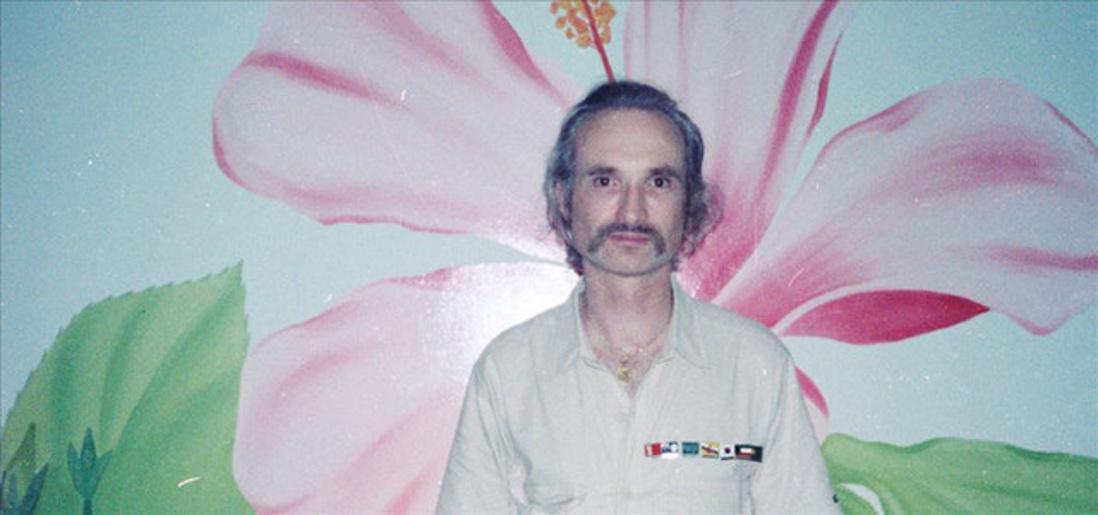
Holger Czukay’s Spotify BioA founding member of the enormously influential Krautrock group Can, Holger Czukay was one of the pivotal underground figures of his era; over the course of his long, expansive career, Czukay successfully bridged the gap between pop and the avant-garde, pioneering the use of samples and exploring the significance of world music on Western culture.
Czukay was born in Gdansk on March 24, 1938. After falling in love with music at a young age, he spent his formative years studying to be a composer and conductor, but his ideas were frequently too radical for mainstream tastes; after being disqualified from one jazz festival for his "unclassifiable music," he was later expelled from Berlin's Music Academy for similar artistic insolence. Under the tutelage of avant-garde composer Karlheinz Stockhausen, Czukay continued to refine his ideas, and soon became a teacher himself; through student Michael Karoli, he gained his first exposure to performers like the Beatles, the Rolling Stones, and the… Velvet Underground.
After picking up the bass, Czukay teamed with Karoli, fellow Stockhausen protégé Irmin Schmidt, drummer Jaki Liebezeit, and American-born vocalist Malcolm Mooney, and in early 1968, the group Inner Space was formed. Quickly renamed Can, they released their debut, Monster Movie, in 1969, the first in a series of visionary albums establishing the band as one of the truly seminal artists of the period. At much the same time, Czukay teamed with Rolf Dammers to release an LP titled Canaxis 5, instituting both primitive sampling techniques (achieved with tape splices) and worldbeat influences; sculpted from thousands of recordings dubbed from short-wave radio broadcasts, the album employed samples from a number of international sources, and consequently positioned Czukay as an early proponent of world music appropriation.
After 1976's Flow Motion, Can disbanded, and three years later Czukay issued his debut solo effort, Movies, a marked refinement of his short-wave sonic collage techniques. In addition to critical raves, the record won considerable interest throughout the musical community, and Czukay subsequently began work on a number of outside projects: in addition to playing on Eurythmics' 1981 debut, In the Garden, he teamed with Jaki Liebezeit and bassist Jah Wobble for the LP Full Circle and the club hit "How Much Are They." Through Wobble, Czukay also met the Japanese singer Phew, and along with Liebezeit and producer Conny Plank, they recorded the 1982 album Phew.
Czukay's next official solo release was 1982's On the Way to the Peak of Normal, another collaboration with Wobble assembled from sessions with the Dusseldorf-based band S.Y.P.H., and was followed by 1984's Der Osten Ist Rot and 1987's Rome Remains Rome (featuring the controversial "Blessed Easter," which contained a sample of Pope John Paul II). However, Czukay spent the majority of the mid-decade involved in a variety of production work. In 1988 he teamed with David Sylvian for the lovely Plight and Premonition; after the duo reunited the following year for Flux + Mutability, Czukay re-formed Can to record a new studio LP, Rite Time. Apart from the 1991 solo effort Radio Wave Surfer and 1993's Moving Pictures, Czukay spent much of the '90s removed from performing, focusing instead on production work before releasing Good Morning Story (his first solo album in six years) in 1999. La Luna, featuring Czukay's wife, vocalist U-She, followed in 2000, and in 2003 Czukay again collaborated with U-She to release The New Millennium. Czukay was devastated by U-She's death in July 2017. He died in September of that year at age 79; his body was discovered in his Weilerswist, Germany apartment, a living space that had previously served as Can's Inner Space Studio. ~ Jason Ankeny, Rovi
Viberate is a music analytics platform built for A&Rs, artist managers, labels, booking agents, marketers, and artists.
It helps music professionals track artist growth, analyze audience data, monitor playlist activity, compare artists, follow song performance, and identify opportunities across the music market.
Public artist pages provide a free preview of selected artist data. Paid plans provide access to deeper analytics, historical data, charts, comparisons, playlist tools, exports, alerts, reports, and additional professional features.
Yes. Public Viberate artist pages provide selected artist analytics and music data for free.
Viberate also offers a 7-day free trial of the full platform. A credit card is required to start the trial. The trial includes access to the complete product so users can test deeper artist analytics, historical views, playlist insights, comparisons, charts, exports, alerts, and reporting features before choosing a paid plan.
Viberate provides artist analytics across streaming, playlists, social media, video, radio airplay, songs, and audience markets.
Users can analyze Spotify performance, Spotify and Apple Music playlists, YouTube activity, TikTok and Instagram growth, radio spins, song performance, audience locations, demographics, rankings, and overall artist momentum.
Artist profiles also connect to music charts, similar artists, and comparison tools, helping users benchmark performance and evaluate artists in context.
Viberate updates key artist and track data daily.
For followed artists and tracks, selected data is refreshed multiple times per day. This helps teams monitor playlist changes, streaming movement, audience growth, releases, and campaign performance with more current data.
Update frequency can vary depending on the metric and data source.
Yes. Viberate lets users compare up to five artists side by side across streaming, social media, audience, and engagement metrics.
Users can compare fanbase growth, audience demographics, locations, Spotify performance, social metrics, and other artist data over selected time periods.
Artist comparison can be used for A&R scouting, benchmarking, booking decisions, campaign planning, and evaluating artists with similar audiences or market positions.