Akiko Suwanai

Classical
Orchestral
Chamber Music
 Viberate Rank: 254257
 Viberate Rank: 254257
 Monthly ListenersFollowers
 Subscribers
 Followers
 Followers
 FansTop Spotify Songs
| Track | 7-Day Streams | |
|---|---|---|
1 | 1.35K | |
2 | 136 | |
3 | 87 | |
4 | 76 | |
5 | 67 |
Top YouTube VideosMonthly ListenersFeatured in Playlists| Playlist | Followers | |
|---|---|---|
1 |  As Músicas Clássicas mais Conhecidas cris.flessak | 104.80K |
2 | VIOLIN & PIANO & CHELO Francisco Diaz-Ney | 11.72K |
3 |  YUZURU HANYU 羽生結弦: A Music Collection crazykuroneko | 7.70K |
4 | Muzyka Klasyczna Jan Bieg | 6.29K |
5 |  Chamber Music for Self-Renewal synergy555 | 4.21K |
Audience| City | Monthly Listeners | |
|---|---|---|
1 |  | 514 |
2 | | 169 |
3 | | 129 |
4 | | 116 |
5 |  | 102 |
See full performance history, audience data, playlist activity, rankings, comparisons, and more in Viberate music analytics. Start with a free trial, then continue with a paid plan.
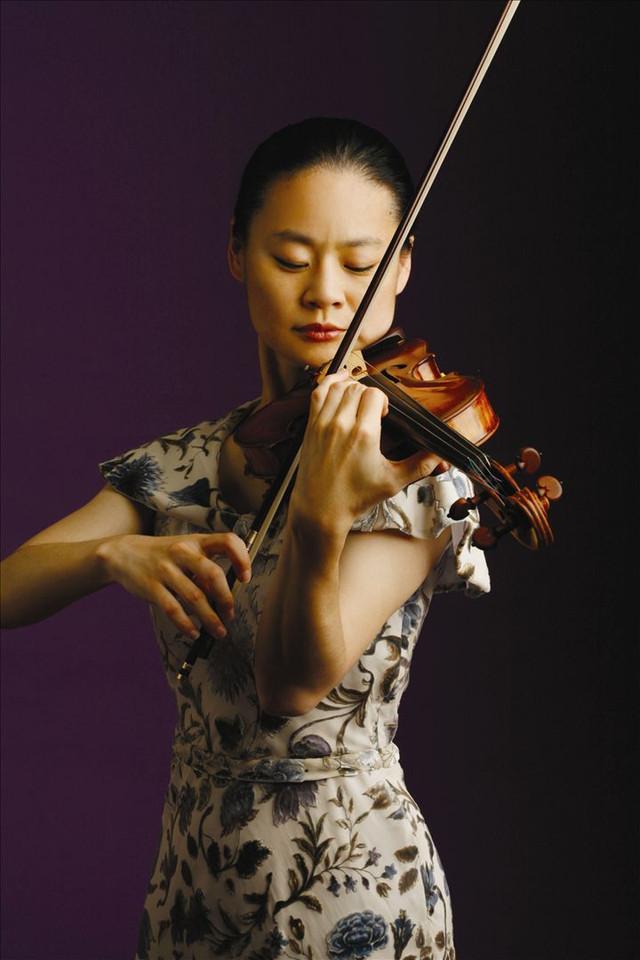
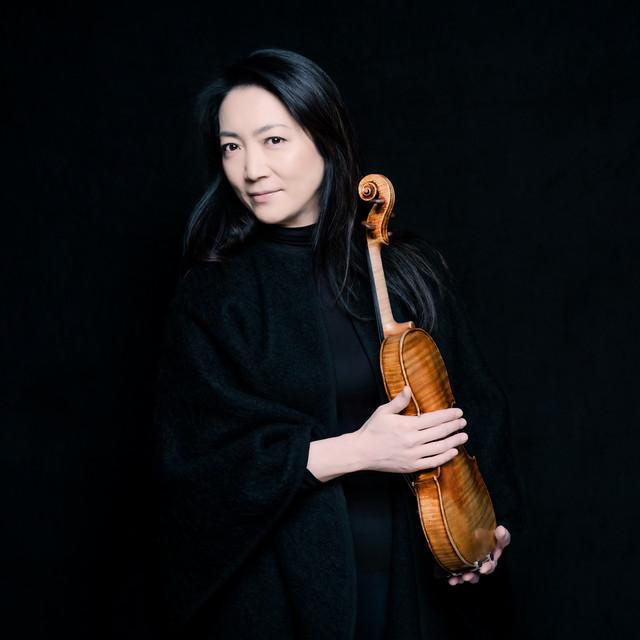
Akiko Suwanai’s Spotify BioAfter becoming the youngest-ever violin winner of the International Tchaikovsky Competition in 1990, Akiko Suwanai has lived up to her early promise with an impressive international career. She champions contemporary music to an unusual degree and has several Japanese and world concerto premieres to her credit. These include the Japanese premiere of Krzysztof Penderecki's Violin Concerto No. 2. Suwanai has a substantial recording catalog on the Philips and Decca labels, including a 2024 recording of Brahms' violin sonatas on the latter.
Suwanai was born on February 7, 1972, in Tokyo. After receiving a high school degree and a soloist's diploma in Japan, she attended the Juilliard School in New York with support from Japan's Agency for Cultural Affairs. Studying with Dorothy DeLay and Cho Liang-Lin and simultaneously completing a degree in the history of political thought at Columbia University, she went on for further study at the Berlin University of the Arts. After winning second… prizes at the Paganini Competition and the Queen Elisabeth Competition in Belgium in 1989, Suwanai went on to win first prize in violin at Moscow's International Tchaikovsky Competition in 1990; she was the youngest ever to win the contest. She also took home the Bach Best Performer Award and the Tchaikovsky Best Performer Award. Her performances from the competition were issued on the Teldec label in 1990, marking her recording debut.
Soon, Suwanai began to find major bookings in both Japan and the West. Some of the most important were with the London Symphony Orchestra, the Orchestre de Paris, and the NDR Sinfonieorchester Hamburg. To an unusual degree for a Japanese player, Suwanai has emphasized contemporary music in her career. She gave the Japanese premiere of Krzysztof Penderecki's Violin Concerto No. 2 ("Metamorphosen") at Tokyo's Suntory Hall in 1999, with Penderecki conducting, and followed that in 2007 with the world premiere of the Violin Concerto of Peter Eötvös. Suwanai has played and recorded traditional repertory with equal enthusiasm, and her 2006 recording of Bach's violin concertos topped a streaming classical sales chart. Suwanai has recorded mostly for the Teldec, Decca, and Philips labels, but in 2020, she was heard on RCA Red Seal on a recording of Takemitsu works with the NHK Symphony Orchestra conducted by Paavo Järvi. The following year, she returned to Decca for a recording of Bach's Sonatas and Partitas for solo violin. In 2024, she joined pianist Evgeny Bozhanov for a recording of Brahms' violin sonatas on Decca; by that time, her recording catalog numbered more than 20 releases. Suwanai plays the so-called "Dolphin" Stradivarius violin of 1714, an instrument once used by Jascha Heifetz. ~ James Manheim, Rovi
Viberate is a music analytics platform built for A&Rs, artist managers, labels, booking agents, marketers, and artists.
It helps music professionals track artist growth, analyze audience data, monitor playlist activity, compare artists, follow song performance, and identify opportunities across the music market.
Public artist pages provide a free preview of selected artist data. Paid plans provide access to deeper analytics, historical data, charts, comparisons, playlist tools, exports, alerts, reports, and additional professional features.
Yes. Public Viberate artist pages provide selected artist analytics and music data for free.
Viberate also offers a 7-day free trial of the full platform. A credit card is required to start the trial. The trial includes access to the complete product so users can test deeper artist analytics, historical views, playlist insights, comparisons, charts, exports, alerts, and reporting features before choosing a paid plan.
Viberate provides artist analytics across streaming, playlists, social media, video, radio airplay, songs, and audience markets.
Users can analyze Spotify performance, Spotify and Apple Music playlists, YouTube activity, TikTok and Instagram growth, radio spins, song performance, audience locations, demographics, rankings, and overall artist momentum.
Artist profiles also connect to music charts, similar artists, and comparison tools, helping users benchmark performance and evaluate artists in context.
Viberate updates key artist and track data daily.
For followed artists and tracks, selected data is refreshed multiple times per day. This helps teams monitor playlist changes, streaming movement, audience growth, releases, and campaign performance with more current data.
Update frequency can vary depending on the metric and data source.
Yes. Viberate lets users compare up to five artists side by side across streaming, social media, audience, and engagement metrics.
Users can compare fanbase growth, audience demographics, locations, Spotify performance, social metrics, and other artist data over selected time periods.
Artist comparison can be used for A&R scouting, benchmarking, booking decisions, campaign planning, and evaluating artists with similar audiences or market positions.