Dmitry Sitkovetsky

Classical
Orchestral
Chamber Music
 Viberate Rank: 211170
 Viberate Rank: 211170
 Monthly ListenersFollowers
 Subscribers
 Followers
 Followers
 FansTop Spotify Songs
| Track | 7-Day Streams | |
|---|---|---|
1 | 820 | |
2 | 644 | |
3 | 240 | |
4 | 229 | |
5 | 167 |
Top YouTube Videos| Video | 7-Day Views | |
|---|---|---|
1 | 220 | |
2 | 112 | |
3 | 88 | |
4 | 64 | |
5 | 59 |
Monthly ListenersFeatured in Playlists| Playlist | Followers | |
|---|---|---|
1 | Yo Yo Ma Bach cello suites 1-6 Jean A. DOUMMAR | 18.93K |
2 |  Sad,very sad, classical music Peer Wijntjes | 12.86K |
3 |  Mozart - Complete Chronological Catalogue based on Köchel catalogue K6 Ulysses' Classical | 9.54K |
4 |  Bach – Best of Deutsche Grammophon (DG) | 7.41K |
5 |  🎹 Piano Tiles 2 Nox Lunar | 6.54K |
Audience| City | Monthly Listeners | |
|---|---|---|
1 |  | 91 |
2 |  | 91 |
3 | | 89 |
4 |  | 68 |
5 |  | 65 |
See full performance history, audience data, playlist activity, rankings, comparisons, and more in Viberate music analytics. Start with a free trial, then continue with a paid plan.
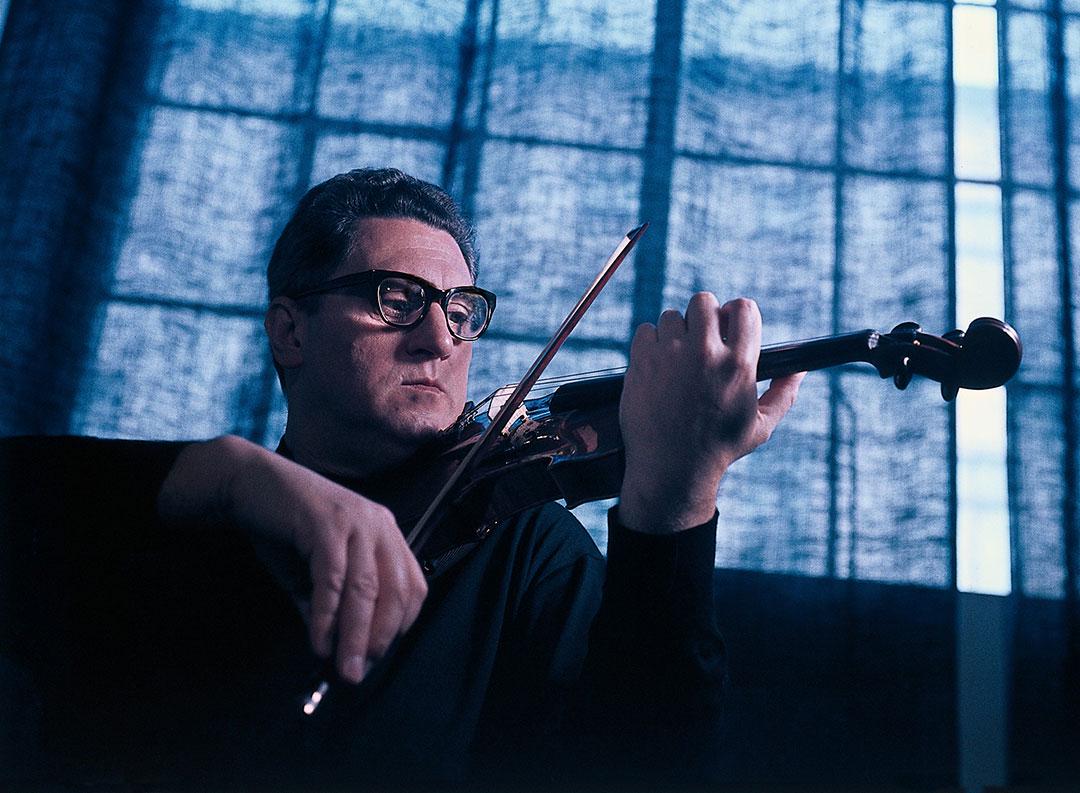
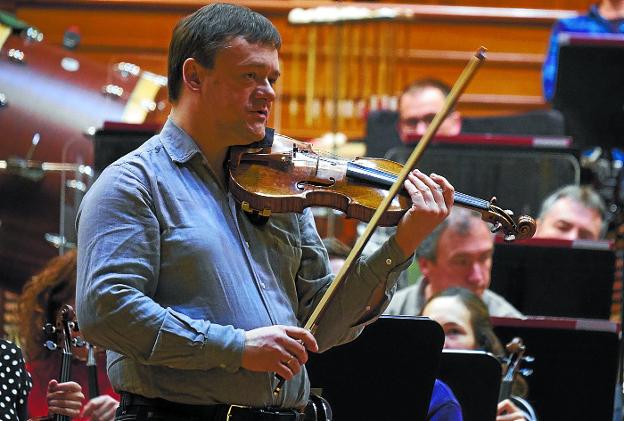
Dmitry Sitkovetsky’s Spotify BioBy the mid-'70s, Dmitry Sitkovetsky had developed a reputation as one of the most promising Soviet violinists of his generation. He emigrated to the United States, however, to continue his studies and to lay plans for a career that would begin with a meteoric ascent. Like many successful instrumentalists, he eventually turned to conducting, and since 1990 has split his career pursuits between the two roles. He has played and conducted a broad repertory that includes works by J.S. Bach, Mozart, Grieg, Ravel, Prokofiev, Shostakovich, and many others. He has appeared on many recordings (either as violinist or conductor) for several labels, including EMI, Nonesuch, Hänssler Classics, and Orfeo.
Dmitry Sitkovetsky was born in Baku, Azerbaijan, on September 27, 1954. His parents were violinist Yulian Sitkovetsky, himself a highly respected virtuoso in his own right, and the equally famous pianist Bella Davidovich, who would eventually partner with her son in concert and on several recordings.…
After studies at the Moscow Conservatory, Sitkovetsky, along with his mother, left the Soviet Union for the United States in 1977 (his father had died at 32, in 1958). Sitkovetsky furthered his studies at Juilliard. In 1979 he burst onto the international scene winning the Vienna-based Fritz Kreisler Competition.
Sitkovetsky quickly became an international star, touring the U.S., Europe, and Asia and appearing on many recordings. He would also become well known for his numerous transcriptions for violin and string ensembles of works by J.S. Bach, Haydn, Stravinsky, Shostakovich, and many others. His version of the Goldberg Variations for strings would be famously recorded in 1995 for Nonesuch Records.
In 1987 Sitkovetsky relocated to London and three years later founded a chamber orchestra, the New European Strings, a group Sitkovetsky has regularly led on tours of Europe and the U.S., making appearances particularly at major music festivals. Over the years Sitkovetsky has managed to attract some of the leading soloists to perform with his group, including Evgeny Kissin, Yuri Bashmet, Vadim Repin, Bobby McFerrin, and, of course, his mother Bella Davidovich.
From 1996 to 2001 Sitkovetsky served as principal conductor of the Ulster Orchestra. In 2003 he accepted the appointment of music director of the Greensboro Symphony Orchestra, while continuing an active guest-conducting schedule. Between 2006 and 2009 Sitkovetsky recorded the Mozart sonatas for piano and violin, with Antonio Pappano and Konstantin Lifschitz for Hänssler Classics. In his 60th birthday year, he premiered a concerto by Nimrod Borenstein and work by Mark Engebretson for soprano, solo violin & strings.
Viberate is a music analytics platform built for A&Rs, artist managers, labels, booking agents, marketers, and artists.
It helps music professionals track artist growth, analyze audience data, monitor playlist activity, compare artists, follow song performance, and identify opportunities across the music market.
Public artist pages provide a free preview of selected artist data. Paid plans provide access to deeper analytics, historical data, charts, comparisons, playlist tools, exports, alerts, reports, and additional professional features.
Yes. Public Viberate artist pages provide selected artist analytics and music data for free.
Viberate also offers a 7-day free trial of the full platform. A credit card is required to start the trial. The trial includes access to the complete product so users can test deeper artist analytics, historical views, playlist insights, comparisons, charts, exports, alerts, and reporting features before choosing a paid plan.
Viberate provides artist analytics across streaming, playlists, social media, video, radio airplay, songs, and audience markets.
Users can analyze Spotify performance, Spotify and Apple Music playlists, YouTube activity, TikTok and Instagram growth, radio spins, song performance, audience locations, demographics, rankings, and overall artist momentum.
Artist profiles also connect to music charts, similar artists, and comparison tools, helping users benchmark performance and evaluate artists in context.
Viberate updates key artist and track data daily.
For followed artists and tracks, selected data is refreshed multiple times per day. This helps teams monitor playlist changes, streaming movement, audience growth, releases, and campaign performance with more current data.
Update frequency can vary depending on the metric and data source.
Yes. Viberate lets users compare up to five artists side by side across streaming, social media, audience, and engagement metrics.
Users can compare fanbase growth, audience demographics, locations, Spotify performance, social metrics, and other artist data over selected time periods.
Artist comparison can be used for A&R scouting, benchmarking, booking decisions, campaign planning, and evaluating artists with similar audiences or market positions.