Agustin Anievas

Classical
Chamber Music
Orchestral
 Viberate Rank: 555917
 Viberate Rank: 555917
 Monthly ListenersFollowers
 Subscribers
 Followers
 Followers
 FansTop Spotify Songs
| Track | 7-Day Streams | |
|---|---|---|
1 | 686 | |
2 | 421 | |
3 | 52 | |
4 | 46 | |
5 | 43 |
Top YouTube VideosMonthly ListenersFeatured in Playlists| Playlist | Followers | |
|---|---|---|
1 |  Slow-Mo Topsify Music | 3.34K |
Audience| City | Monthly Listeners | |
|---|---|---|
1 |  | 217 |
2 | | 148 |
3 | | 136 |
4 | | 134 |
5 |  | 112 |
See full performance history, audience data, playlist activity, rankings, comparisons, and more in Viberate music analytics. Start with a free trial, then continue with a paid plan.
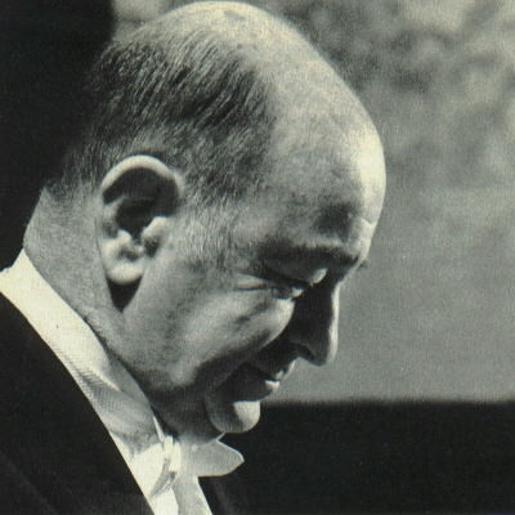
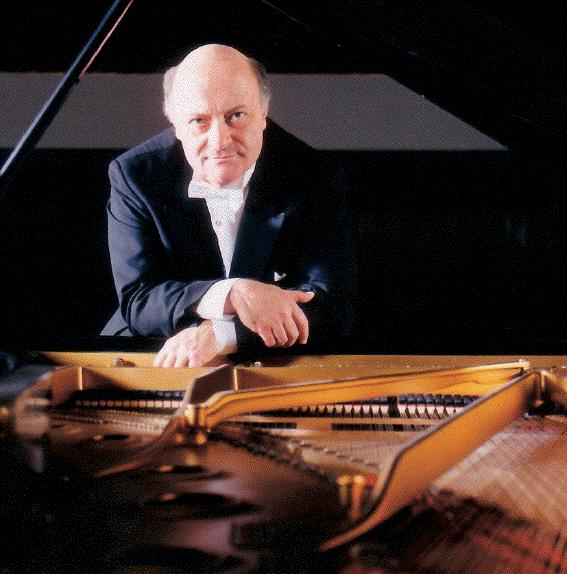
Agustin Anievas’ Spotify BioLike many great pianists, Agustín Anievas broke onto the music scene with a meteoric rise from competition victories and the successful major concerts that followed. But from about 1980, he began to fade, not because of a decline in his art, but because of the inevitable arrival of new pianists and the public's curiosity to explore their talents. Anievas has been called a Beethoven and Chopin specialist, but his traversal of the Rachmaninov concertos and various solo works must rank among his greatest recorded achievements. His recorded legacy also includes the complete Chopin waltzes and etudes, and his repertory has taken in large chunks of Beethoven, Brahms, Liszt, and many others. Recent interest in the artistry of Anievas has been fueled by reissues of the Rachmaninov concertos (and Paganini Rhapsody) and a collection of Chopin works, both on EMI, from 2006.
Anievas was born in New York City in 1934. He was a prodigy, first taking piano lessons from his mother at the age of three… and appearing at four at the (Weiss) Recital Hall at Carnegie Hall. He gave a public concert at the Pan American Union in Washington, D.C., when he was nine and three years later appeared at the Palace of Fine Arts in Mexico performing a concert of works by Liszt and Beethoven.
Among his teachers were Olga Samaroff and Ernest Hutcheson and, at Juilliard, Adele Marcus. With such a background from his childhood and teen years it is hardly surprising that Anievas captured a bevy of citations and prizes from the late '50s onward: Michaels Award in Chicago (1958), New York's Concert Artists' Guild Award (1959), major prizes in the Queen Elizabeth and Busoni Competitions (1960), and first prize at the 1961 Dimitri Mitropoulos Competition.
Anievas temporarily relocated to Brussels in 1965 and soon became a sensation in Europe. His first recording, the Brahms, Paganini, and Handel variations, was issued on EMI to enthusiastic critical response both there and in the U.S. The Chopin waltzes followed, drawing accolades from the New York Times and other noted publications. By the mid-'70s Anievas moved back to New York City and soon joined the faculty at Brooklyn College School of Music. Though he remained quite active in the concert hall in the years following his return, his concert schedule gradually became less demanding and he took on other musical interests that included serving on juries of major competitions.
Viberate is a music analytics platform built for A&Rs, artist managers, labels, booking agents, marketers, and artists.
It helps music professionals track artist growth, analyze audience data, monitor playlist activity, compare artists, follow song performance, and identify opportunities across the music market.
Public artist pages provide a free preview of selected artist data. Paid plans provide access to deeper analytics, historical data, charts, comparisons, playlist tools, exports, alerts, reports, and additional professional features.
Yes. Public Viberate artist pages provide selected artist analytics and music data for free.
Viberate also offers a 7-day free trial of the full platform. A credit card is required to start the trial. The trial includes access to the complete product so users can test deeper artist analytics, historical views, playlist insights, comparisons, charts, exports, alerts, and reporting features before choosing a paid plan.
Viberate provides artist analytics across streaming, playlists, social media, video, radio airplay, songs, and audience markets.
Users can analyze Spotify performance, Spotify and Apple Music playlists, YouTube activity, TikTok and Instagram growth, radio spins, song performance, audience locations, demographics, rankings, and overall artist momentum.
Artist profiles also connect to music charts, similar artists, and comparison tools, helping users benchmark performance and evaluate artists in context.
Viberate updates key artist and track data daily.
For followed artists and tracks, selected data is refreshed multiple times per day. This helps teams monitor playlist changes, streaming movement, audience growth, releases, and campaign performance with more current data.
Update frequency can vary depending on the metric and data source.
Yes. Viberate lets users compare up to five artists side by side across streaming, social media, audience, and engagement metrics.
Users can compare fanbase growth, audience demographics, locations, Spotify performance, social metrics, and other artist data over selected time periods.
Artist comparison can be used for A&R scouting, benchmarking, booking decisions, campaign planning, and evaluating artists with similar audiences or market positions.