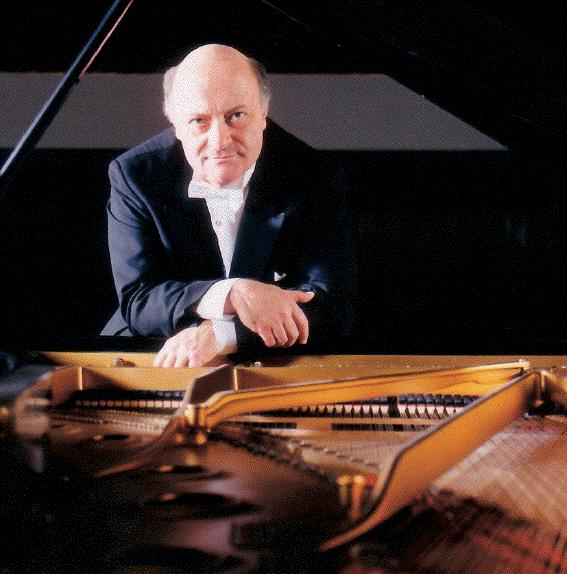
Michael Ponti

Classical
Chamber Music
 Viberate Rank: 223275
 Viberate Rank: 223275
 Monthly ListenersFollowers
 Subscribers
 Followers
 Followers
 FansTop Spotify SongsTop YouTube VideosMonthly ListenersFeatured in Playlists
| Playlist | Followers | |
|---|---|---|
1 | Seyed MNezhad | 22.04K |
2 | VIOLIN & PIANO & CHELO Francisco Diaz-Ney | 11.72K |
3 |  Dark Classical Kevin Greenberg | 8.17K |
4 | Muzyka Klasyczna Jan Bieg | 6.29K |
5 | Piano Concertos Alexander Chen | 4.01K |
Audience| City | Monthly Listeners | |
|---|---|---|
1 |  | 233 |
2 |  | 185 |
3 |  | 166 |
4 | | 155 |
5 |  | 154 |
See full performance history, audience data, playlist activity, rankings, comparisons, and more in Viberate music analytics. Start with a free trial, then continue with a paid plan.
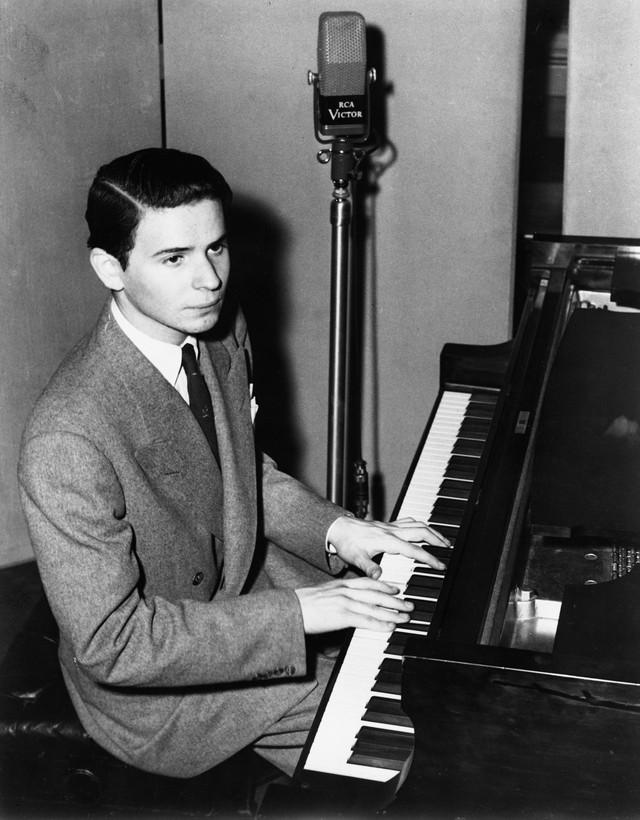
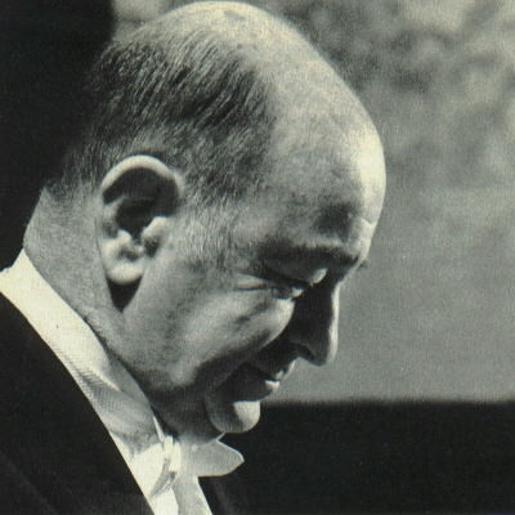
Michael Ponti’s Spotify BioA longtime staple of the budget Vox label's catalog, pianist Michael Ponti specialized in unknown Romantic repertory. He also recorded mainstream works and was the first pianist to record the complete keyboard works of Scriabin, Tchaikovsky, and Rachmaninov.
Although he was born in Germany, died there, and was partly trained there, Ponti was American. He was born in Freiburg im Breisgau (the city commonly referred to as Freiburg), Germany, on October 29, 1937. His father was a U.S. diplomat. The family soon moved to the U.S., and his mother also took American citizenship. Ponti grew up in Washington, D.C., where he took piano lessons for ten years and, at age 11, played Bach's complete Well-Tempered Clavier from memory over four recitals. His teacher was Gilmour McDonald, who had studied with Leopold Godowsky. In 1955, Ponti returned to Germany for studies at the Hochschule für Musik in Frankfurt; he was taught by Erich Flinsch, formerly an assistant to Liszt's student Emil von Sauer,… and he also took master classes from Artur Rubinstein and Robert Casadesus. Two major prizes in 1964 -- a first prize at the Busoni Competition in Italy and a prizewinner spot at the Queen Elisabeth Competition in Belgium -- helped launch his career, which began with an appearance in Vienna playing Bartók's Piano Concerto No. 2 under conductor Wolfgang Sawallisch. Ponti's New York debut (at Alice Tully Hall in 1972) was a famous concert in which he played nine encores, some requested by the audience; the concert lasted almost until midnight.
Ponti became famous to financially challenged listeners for his LP recordings on the Vox label. They often featured obscure (or then-obscure) Romantic repertory by the likes of Hans Bronsart von Schellendorff, Sigismond Thalberg, and Henry Litolff. In the concert realm, Ponti appeared with ensembles, including the Orchestre de la Suisse Romande, the Buenos Aires Philharmonic, and the Accademia Nazionale di Santa Cecilia. He toured not only in Europe but in Egypt, Japan, South America, southern Africa, and Australia. Ponti founded the Ponti-Zimansky-Polasek Trio in 1977 and appeared widely with that group as well. Ponti's career lasted well into the 2000s, and Vox reissued his Scriabin cycle in 2002. He was slowed by a stroke in the late '90s that damaged his right hand, but he continued to perform, playing left-hand piano repertory. Ponti's recording catalog comprised more than 80 items. He died in Garmisch-Partenkirchen, Germany, on October 17, 2022. ~ James Manheim, Rovi
Viberate is a music analytics platform built for A&Rs, artist managers, labels, booking agents, marketers, and artists.
It helps music professionals track artist growth, analyze audience data, monitor playlist activity, compare artists, follow song performance, and identify opportunities across the music market.
Public artist pages provide a free preview of selected artist data. Paid plans provide access to deeper analytics, historical data, charts, comparisons, playlist tools, exports, alerts, reports, and additional professional features.
Yes. Public Viberate artist pages provide selected artist analytics and music data for free.
Viberate also offers a 7-day free trial of the full platform. A credit card is required to start the trial. The trial includes access to the complete product so users can test deeper artist analytics, historical views, playlist insights, comparisons, charts, exports, alerts, and reporting features before choosing a paid plan.
Viberate provides artist analytics across streaming, playlists, social media, video, radio airplay, songs, and audience markets.
Users can analyze Spotify performance, Spotify and Apple Music playlists, YouTube activity, TikTok and Instagram growth, radio spins, song performance, audience locations, demographics, rankings, and overall artist momentum.
Artist profiles also connect to music charts, similar artists, and comparison tools, helping users benchmark performance and evaluate artists in context.
Viberate updates key artist and track data daily.
For followed artists and tracks, selected data is refreshed multiple times per day. This helps teams monitor playlist changes, streaming movement, audience growth, releases, and campaign performance with more current data.
Update frequency can vary depending on the metric and data source.
Yes. Viberate lets users compare up to five artists side by side across streaming, social media, audience, and engagement metrics.
Users can compare fanbase growth, audience demographics, locations, Spotify performance, social metrics, and other artist data over selected time periods.
Artist comparison can be used for A&R scouting, benchmarking, booking decisions, campaign planning, and evaluating artists with similar audiences or market positions.