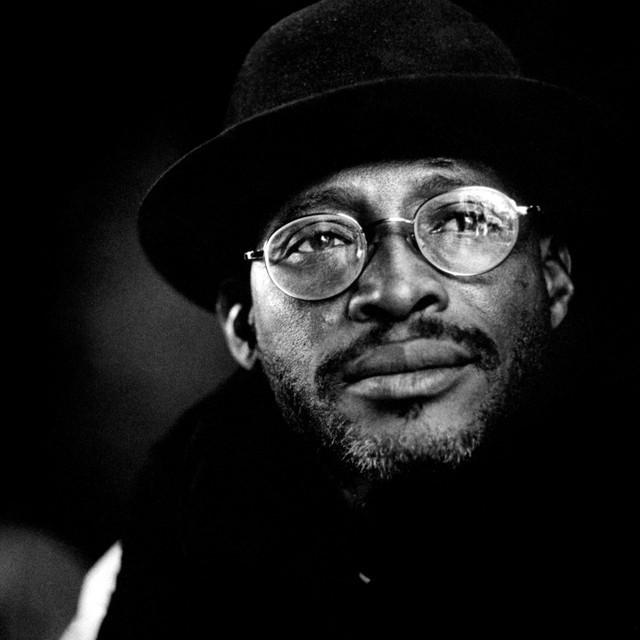
Afel Bocoum

African
Other African Music
Other Middle Eastern Music
 Viberate Rank: 138174
 Viberate Rank: 138174
 Monthly ListenersFollowers
 Subscribers
 Followers
 Followers
 FansTop Spotify Songs
| Track | 7-Day Streams | |
|---|---|---|
1 | 19.96K | |
2 | 5.16K | |
3 | 3.10K | |
4 | 1.95K | |
5 | 1.65K |
Top YouTube VideosMonthly ListenersFeatured in Playlists| Playlist | Followers | |
|---|---|---|
1 |  Relaxing African Music Buddha’s Lounge | 63.88K |
2 |  World Music 🌍 Wessel te Winkel | 30.68K |
3 |  Tuareg Desert Blues peterjames777 | 22.24K |
4 |  Moroccan Chill emhyett | 21.26K |
5 |  African Power! (Highlife, afrobeat, desert blues, soukous, mbaqanga, afro-funk, ethio-jazz, congolese rumba etc. [African music] [West Africa, East Africa, South Africa] Afrique) Kasper Kirkegaard | 16.07K |
Audience| City | Monthly Listeners | |
|---|---|---|
1 |  | 1.64K |
2 | | 1.50K |
3 |  | 1.21K |
4 |  | 1.15K |
5 |  | 1.07K |
See full performance history, audience data, playlist activity, rankings, comparisons, and more in Viberate music analytics. Start with a free trial, then continue with a paid plan.
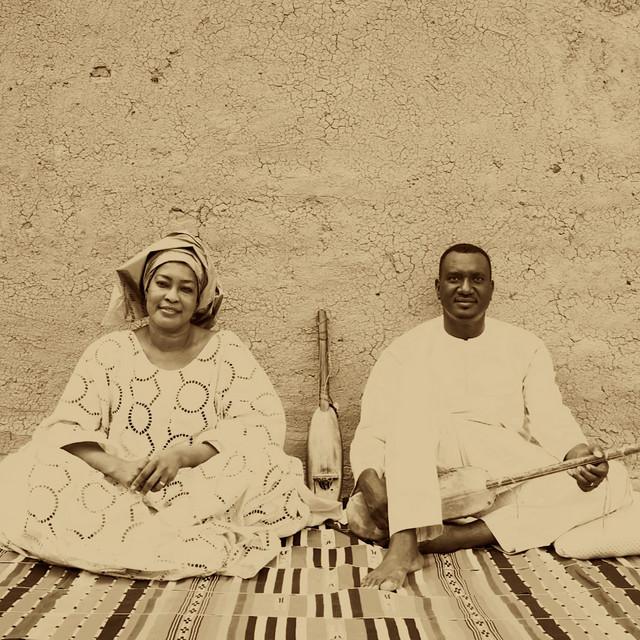
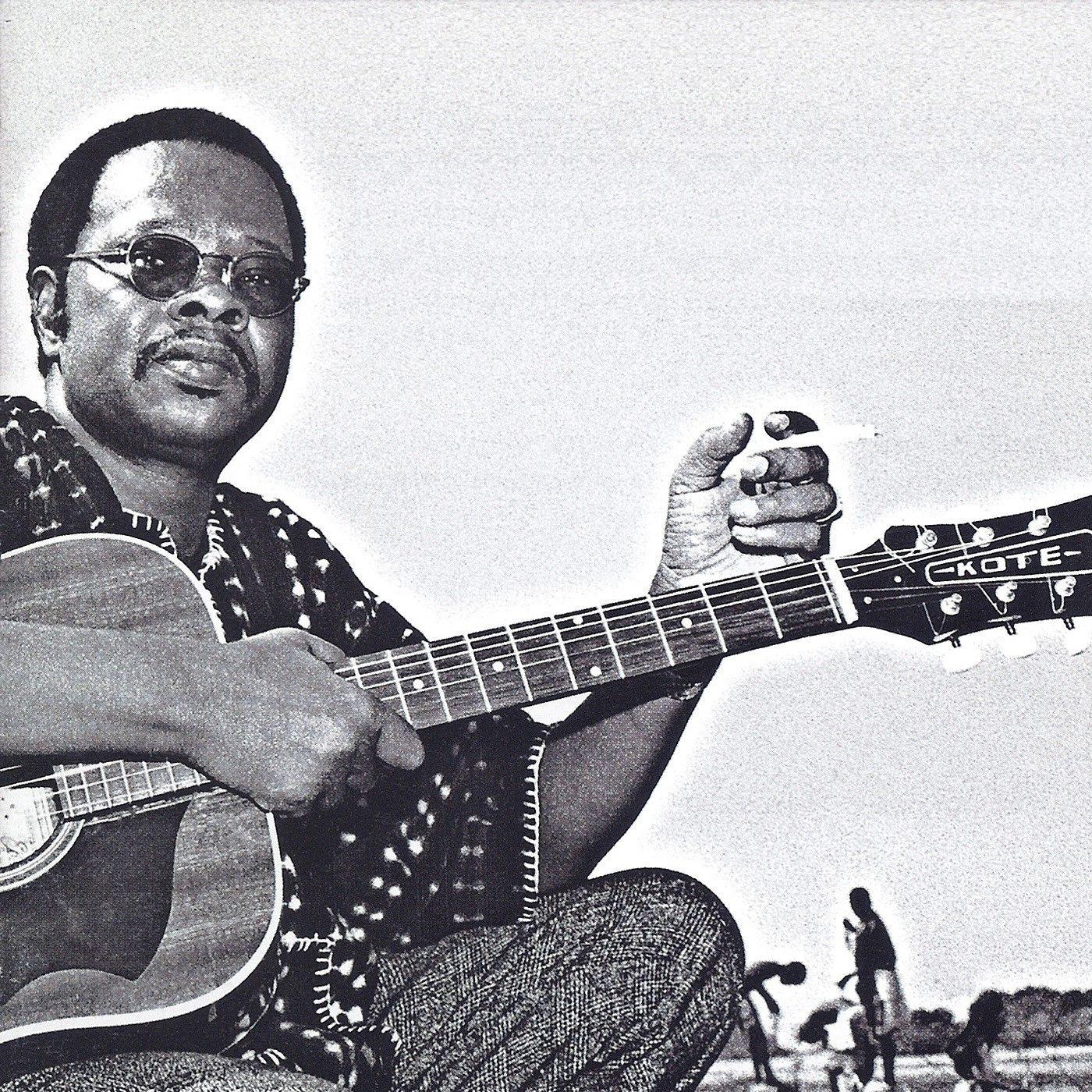
Afel Bocoum’s Spotify BioAn essential member of Ali Farka Toure's band for more than three decades, Afel Bocoum took his first steps into the limelight with his debut solo album, Alkibar: Messenger of the Great River, in 1999. It was recorded along the banks of the Niger River, during a five-day break from working on Toure's album Niafunke. Alkibar set finger-picked guitar melodies and soulful vocals, in the Sonrai, Fula, and Tamashek languages, to a musical tapestry of lute, monochord njurkle, calabash, spike fiddles, and a three-voiced choir. The BBC reviewed Bocoum's performance on the album as "gentler than the stabbing blues style of Ali Farka Toure. Bocoum's sound is poly-rhythmic, warm, and enchanting with simple magnetic melodies and hummable choruses." The son of a njoika and njurkle player, Bocoum began playing with Toure, in Troupe Musicale De Niafunke, at the age of 13. Although he left the group to study agriculture at M'Pessoba in South Mali, in 1975, he reunited with his former mentor in Toure's… band, Asko, in the early '80s. ~ Craig Harris, Rovi
Viberate is a music analytics platform built for A&Rs, artist managers, labels, booking agents, marketers, and artists.
It helps music professionals track artist growth, analyze audience data, monitor playlist activity, compare artists, follow song performance, and identify opportunities across the music market.
Public artist pages provide a free preview of selected artist data. Paid plans provide access to deeper analytics, historical data, charts, comparisons, playlist tools, exports, alerts, reports, and additional professional features.
Yes. Public Viberate artist pages provide selected artist analytics and music data for free.
Viberate also offers a 7-day free trial of the full platform. A credit card is required to start the trial. The trial includes access to the complete product so users can test deeper artist analytics, historical views, playlist insights, comparisons, charts, exports, alerts, and reporting features before choosing a paid plan.
Viberate provides artist analytics across streaming, playlists, social media, video, radio airplay, songs, and audience markets.
Users can analyze Spotify performance, Spotify and Apple Music playlists, YouTube activity, TikTok and Instagram growth, radio spins, song performance, audience locations, demographics, rankings, and overall artist momentum.
Artist profiles also connect to music charts, similar artists, and comparison tools, helping users benchmark performance and evaluate artists in context.
Viberate updates key artist and track data daily.
For followed artists and tracks, selected data is refreshed multiple times per day. This helps teams monitor playlist changes, streaming movement, audience growth, releases, and campaign performance with more current data.
Update frequency can vary depending on the metric and data source.
Yes. Viberate lets users compare up to five artists side by side across streaming, social media, audience, and engagement metrics.
Users can compare fanbase growth, audience demographics, locations, Spotify performance, social metrics, and other artist data over selected time periods.
Artist comparison can be used for A&R scouting, benchmarking, booking decisions, campaign planning, and evaluating artists with similar audiences or market positions.