Adolphus Hailstork

Classical
Classical Crossover
Choral
 Viberate Rank: 198833
 Viberate Rank: 198833
 Monthly ListenersFollowers
 Subscribers
 Followers
 Followers
 FansTop Spotify Songs
| Track | 7-Day Streams | |
|---|---|---|
1 | 85.21K | |
2 | 306 | |
3 | 242 | |
4 | 106 | |
5 | 100 |
Top YouTube VideosMonthly ListenersFeatured in Playlists| Playlist | Followers | |
|---|---|---|
1 |  Calming Classical Spotify | 1.35M |
2 |  Classical Study Music for Focus 🎻🎶 Prime Feelings | 191.88K |
3 |  Classical Music for Studying, Reading - Mozart, Chopin, Debussy Boisterous Pop | 77.14K |
4 | Beautiful, Calming Classical Music vcmstow | 72.73K |
5 |  FOCUS BOOST unCLASSIFIED | 44.17K |
Audience| City | Monthly Listeners | |
|---|---|---|
1 |  | 5.26K |
2 |  | 2.23K |
3 | | 2.20K |
4 | | 2.00K |
5 | | 1.80K |
See full performance history, audience data, playlist activity, rankings, comparisons, and more in Viberate music analytics. Start with a free trial, then continue with a paid plan.
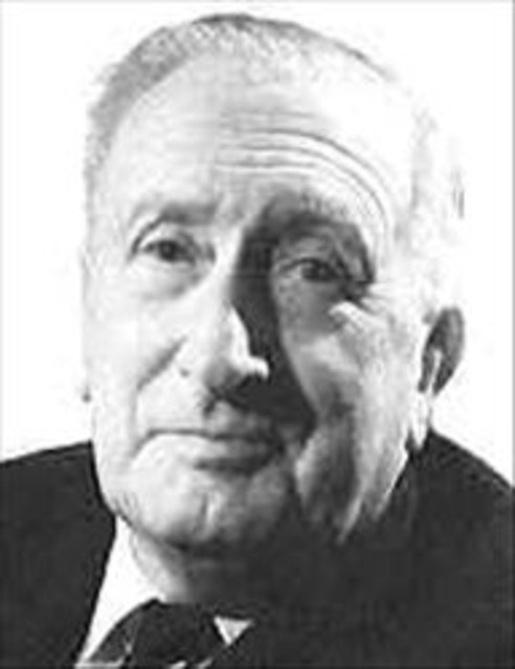
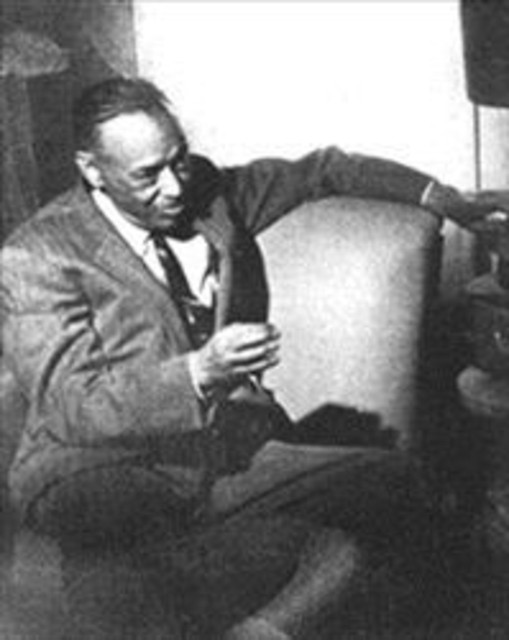
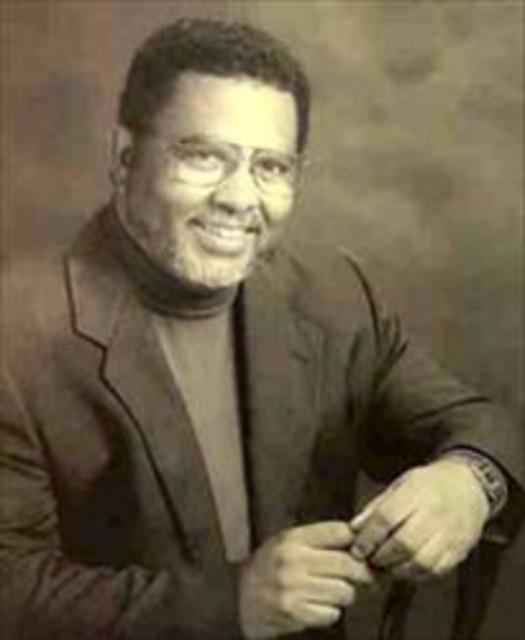
Adolphus Hailstork’s Spotify BioThe impediment to Adolphus Hailstork's full acceptance by critics and cognoscenti early in his career is exactly what should endear him to more cautious music lovers as the decades pass: a lack of interest in serialism and other academic and avant-garde techniques (except for a brief flirtation with electronics in the 1970s). Hailstork's music emerges naturally from 1940s American populism and although it does not celebrate a perpetual Appalachian spring, it has matured with the seasons to become a rich documentation of certain aspects of American life, particularly the African American experience.
Hailstork studied composition with Mark Fax at Howard University, where he earned his bachelor's degree in 1963. He spent that summer with Nadia Boulanger at the American Conservatory in Fontainebleau, then continued his studies with Vittorio Giannini and David Diamond, among others, at the Manhattan School (where he obtained a second bachelor's in 1965 and his master's in 1966); following a… two-year Army tour of duty to West Germany (1966 - 1968), he completed a Ph.D. at Michigan State University (1971). His first post-doctorate teaching job was at Youngstown (Ohio) State University from 1971 to 1977; in the fall of 1977, he settled in for a long tenure at Norfolk (Virginia) State College.
He first gained wide attention in 1966 when the Baltimore Symphony Orchestra performed his master's thesis Statements, Variations and Fugue. His works have since been performed by the likes of the Chicago Symphony, but most of his music remains unpublished. Hailstork's 1974 concert overture Celebration is populist and easily portable, but his most widely traveled substantial work is his 1990 Piano Concerto, commissioned by a consortium of orchestras and championed by soloist Leon Bates. Another important commission came from the Dayton Opera Company of Ohio, which gave the 1995 premiere of Hailstork's opera Paul Laurence Dunbar: Common Ground.
Hailstork's style is post-modern in the sense that it is eclectic, but it is not an ironic commentary on older fashions. He emphasizes that his music always "sings" and it owes much to the composers he embraced in his formative years: Aaron Copland, Samuel Barber, and Igor Stravinsky. Hailstork has felt free, but not compelled, to work African American idioms into some of his music. At times, this is as much a matter of instrumentation as anything else; From the Dark Side of the Sun (1971) is scored for soprano sax, flutes, marimba, vibraphone, glockenspiel, celesta, percussion, and strings, and SA-1, from the same year, is explicitly for jazz ensemble. His music also often alludes programmatically or textually to figures and events in African American history, as in his string orchestra Capriccio for a Departed Brother: Scott Joplin, his brass octet Spiritual, his orchestral Epitaph (In Memoriam Dr. Martin Luther King), and a number of songs and choruses. Interestingly, his instrumental music is far more likely to contain subtle jazz rhythms or blues riffs than his vocal music. This said, black consciousness is not the limit of Hailstork's cultural and political awareness; the first movement of his 1985 Piano Trio, for example, laments the Jewish Holocaust. Hailstork's music is generally rhythmically engaging -- even pulsating -- and flies through easily identifiable themes; an excellent example of this is his 1988 Symphony No. 1.
Viberate is a music analytics platform built for A&Rs, artist managers, labels, booking agents, marketers, and artists.
It helps music professionals track artist growth, analyze audience data, monitor playlist activity, compare artists, follow song performance, and identify opportunities across the music market.
Public artist pages provide a free preview of selected artist data. Paid plans provide access to deeper analytics, historical data, charts, comparisons, playlist tools, exports, alerts, reports, and additional professional features.
Yes. Public Viberate artist pages provide selected artist analytics and music data for free.
Viberate also offers a 7-day free trial of the full platform. A credit card is required to start the trial. The trial includes access to the complete product so users can test deeper artist analytics, historical views, playlist insights, comparisons, charts, exports, alerts, and reporting features before choosing a paid plan.
Viberate provides artist analytics across streaming, playlists, social media, video, radio airplay, songs, and audience markets.
Users can analyze Spotify performance, Spotify and Apple Music playlists, YouTube activity, TikTok and Instagram growth, radio spins, song performance, audience locations, demographics, rankings, and overall artist momentum.
Artist profiles also connect to music charts, similar artists, and comparison tools, helping users benchmark performance and evaluate artists in context.
Viberate updates key artist and track data daily.
For followed artists and tracks, selected data is refreshed multiple times per day. This helps teams monitor playlist changes, streaming movement, audience growth, releases, and campaign performance with more current data.
Update frequency can vary depending on the metric and data source.
Yes. Viberate lets users compare up to five artists side by side across streaming, social media, audience, and engagement metrics.
Users can compare fanbase growth, audience demographics, locations, Spotify performance, social metrics, and other artist data over selected time periods.
Artist comparison can be used for A&R scouting, benchmarking, booking decisions, campaign planning, and evaluating artists with similar audiences or market positions.