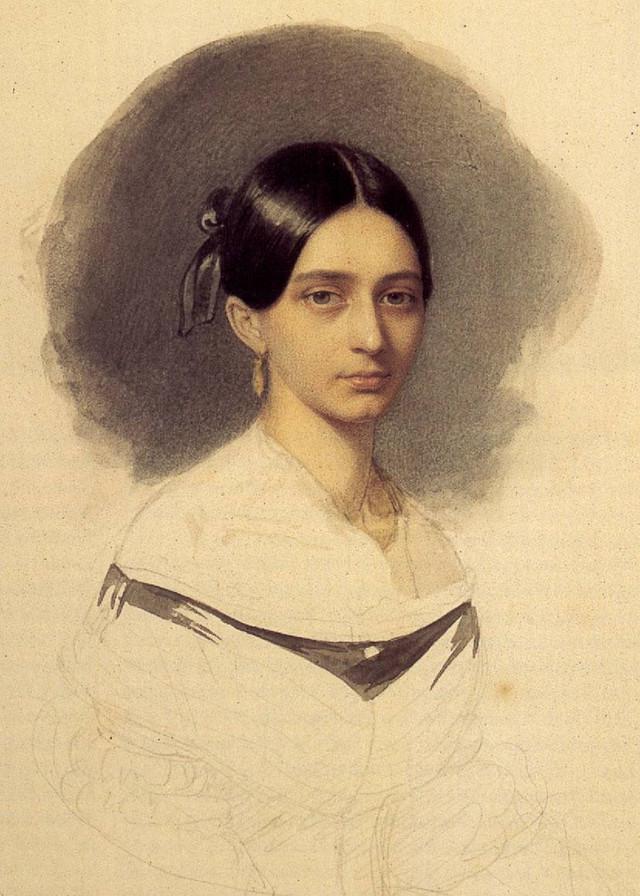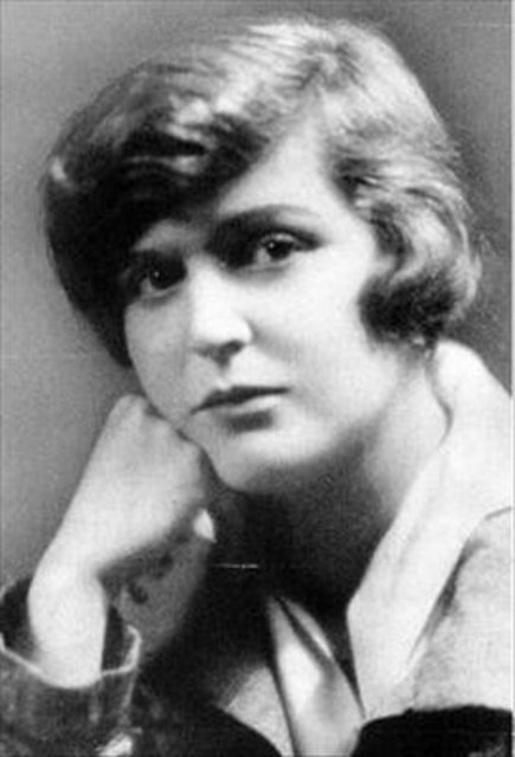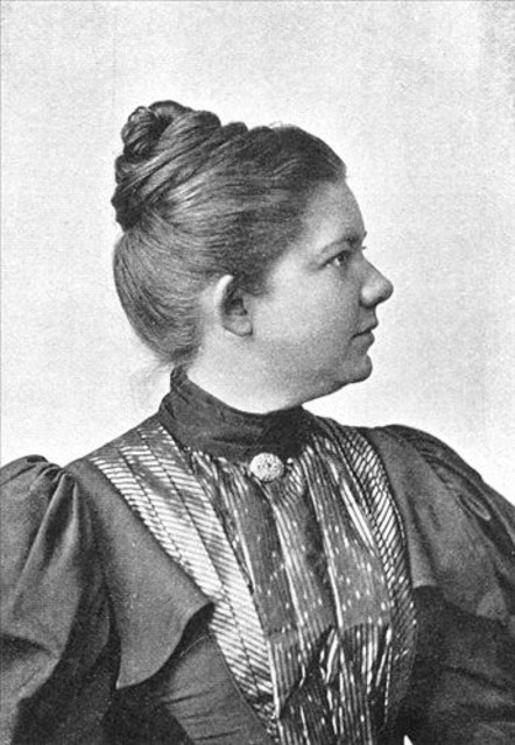
Amy Beach

Classical
Classical Crossover
Chamber Music
 Viberate Rank: 104981
 Viberate Rank: 104981
 Monthly ListenersFollowers
 Subscribers
 Followers
 Followers
 FansTop Spotify Songs
| Track | 7-Day Streams | |
|---|---|---|
1 | 66.96K | |
2 | 30.98K | |
3 | 22.76K | |
4 | 14.36K | |
5 | 5.64K |
Top YouTube VideosMonthly ListenersFeatured in Playlists| Playlist | Followers | |
|---|---|---|
1 |  Classical Essentials Spotify | 3.82M |
2 |  Calming Classical Spotify | 1.35M |
3 |  Dark Academia Classical Spotify | 1.00M |
4 |  Best Classical Music Peaceful Classics | 857.56K |
5 |  Classical Reading Spotify | 634.31K |
Audience| City | Monthly Listeners | |
|---|---|---|
1 |  | 6.28K |
2 | | 3.46K |
3 |  | 3.31K |
4 |  | 3.21K |
5 |  | 3.09K |
See full performance history, audience data, playlist activity, rankings, comparisons, and more in Viberate music analytics. Start with a free trial, then continue with a paid plan.
Amy Beach’s Spotify BioOne of a handful of successful woman composers of the late 19th and early 20th centuries, Amy Marcy Cheney Beach fell into this role almost by accident. Her real goal was to be a concert pianist, but her husband forbade such a life for his wife. She was born about two years after the end of the Civil War and lived until the final months of World War II, a period that saw immense changes in music, and women's role in making it, all of which she played a substantial part in changing.
A music prodigy from the age of one, Amy Cheney taught herself to read at two, and by four she was composing. She studied in the United States, what little formal training she had took place largely in and around Boston, and she learned orchestration on her own, reading Berlioz's treatise of the subject, which she translated herself from the French. She had already begun a successful career as a concert pianist at the age of 16, when she performed with the Boston Symphony Orchestra. Her marriage to Dr. Henry… Harris Aubrey Beach, however, ended any possibility of a performing career -- it was unheard of in those days for the wife of a prominent and successful physician to engage in public performance for pay. Instead, as a compromise that her husband found acceptable, for the next 25 years, Amy Cheney Beach pursued a career as a composer of songs, chamber pieces, and a handful of large-scale works, including one major symphony.
Her works were taken very seriously at the time. In 1892, she became the first woman composer to have a work performed by the Handel and Haydn Society of Boston, when it performed her Mass in E flat, and that same year she became the first woman to have a composition performed by the New York Philharmonic. Her music is treated even more reverentially today, in view of its accessibility and contrasting "newness." Beach's "Gaelic" Symphony, for example, sounds very much in the tradition of Brahms, but not quite like any Brahms piece ever heard.
After the death of her husband in 1910, she resumed her performing career and became a celebrated virtuoso at the piano in Europe, especially in Germany during the years before World War I. Performances of her symphony in Leipzig and Berlin were very well-received, and she was regarded as a major modern composer in Germany. She returned to the United States in 1914 and moved to New York, and spent most of the rest of her life working full-time as a performer and composer. In 1932 she completed her opera Cabildo, and she unveiled a very successful piano trio in 1938. In the final 30 years of her life, she was the de facto dean of female composers, and her success paved the way for serious music careers by dozens of women who followed in her wake.
Beach's major influences during the first half of her career were Wagner and Brahms, while later on she showed the strong influence of McDowell and Debussy. Her songs and chamber works were much better known in America than her orchestral works, but in Europe the Gaelic Symphony found a respectable audience. Beach showed a natural gift for memorable melody in all of her work, and startlingly assured development. She tried to use folk sources where suitable, in the manner of the 19th century romantics, and even much of her original material has the feel of folk. ~ Bruce Eder, Rovi
Viberate is a music analytics platform built for A&Rs, artist managers, labels, booking agents, marketers, and artists.
It helps music professionals track artist growth, analyze audience data, monitor playlist activity, compare artists, follow song performance, and identify opportunities across the music market.
Public artist pages provide a free preview of selected artist data. Paid plans provide access to deeper analytics, historical data, charts, comparisons, playlist tools, exports, alerts, reports, and additional professional features.
Yes. Public Viberate artist pages provide selected artist analytics and music data for free.
Viberate also offers a 7-day free trial of the full platform. A credit card is required to start the trial. The trial includes access to the complete product so users can test deeper artist analytics, historical views, playlist insights, comparisons, charts, exports, alerts, and reporting features before choosing a paid plan.
Viberate provides artist analytics across streaming, playlists, social media, video, radio airplay, songs, and audience markets.
Users can analyze Spotify performance, Spotify and Apple Music playlists, YouTube activity, TikTok and Instagram growth, radio spins, song performance, audience locations, demographics, rankings, and overall artist momentum.
Artist profiles also connect to music charts, similar artists, and comparison tools, helping users benchmark performance and evaluate artists in context.
Viberate updates key artist and track data daily.
For followed artists and tracks, selected data is refreshed multiple times per day. This helps teams monitor playlist changes, streaming movement, audience growth, releases, and campaign performance with more current data.
Update frequency can vary depending on the metric and data source.
Yes. Viberate lets users compare up to five artists side by side across streaming, social media, audience, and engagement metrics.
Users can compare fanbase growth, audience demographics, locations, Spotify performance, social metrics, and other artist data over selected time periods.
Artist comparison can be used for A&R scouting, benchmarking, booking decisions, campaign planning, and evaluating artists with similar audiences or market positions.