TRUSTcompany

Metal
Alternative Metal
Nu Metal
Alternative Rock
 Viberate Rank: 42478
 Viberate Rank: 42478
 Monthly ListenersFollowers
 Subscribers
 Followers
 Followers
 FansTop Spotify Songs
| Track | 7-Day Streams | |
|---|---|---|
1 | 231.02K | |
2 | 47.43K | |
3 | 34.65K | |
4 | 30.66K | |
5 | 28.16K |
Top YouTube Videos| Video | 7-Day Views | |
|---|---|---|
1 | 51.33K | |
2 | 3.70K | |
3 | 2.61K | |
4 | 1.05K | |
5 | 683 |
Monthly ListenersFeatured in Playlists| Playlist | Followers | |
|---|---|---|
1 |  Anger Management Spotify | 304.89K |
2 |  The Ultimate Divorced Dad Rock Playlist Skoopa76 | 141.41K |
3 | Best '90s Rock Playlist LUMA | 129.09K |
4 | deftones gym playlist to go insane to ig @pbnis | 96.88K |
5 |  Greatest Nu-metal Tracks 🖤 j4keOk | 54.73K |
Audience| City | Monthly Listeners | |
|---|---|---|
1 | | 10.63K |
2 | | 8.56K |
3 | | 7.36K |
4 | | 6.83K |
5 | | 6.67K |
See full performance history, audience data, playlist activity, rankings, comparisons, and more in Viberate music analytics. Start with a free trial, then continue with a paid plan.
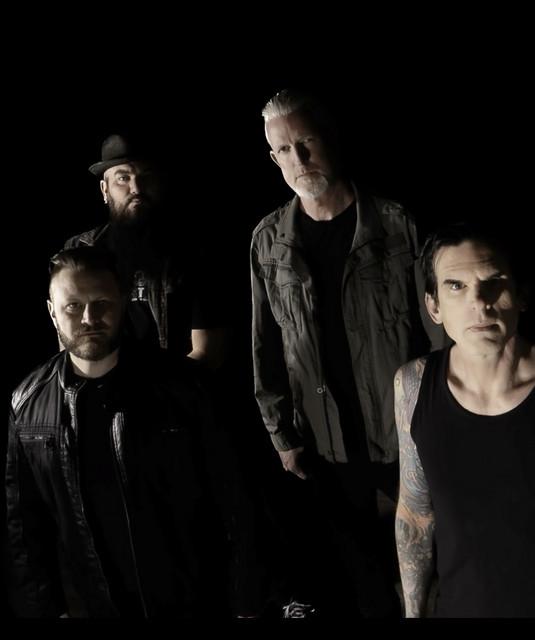
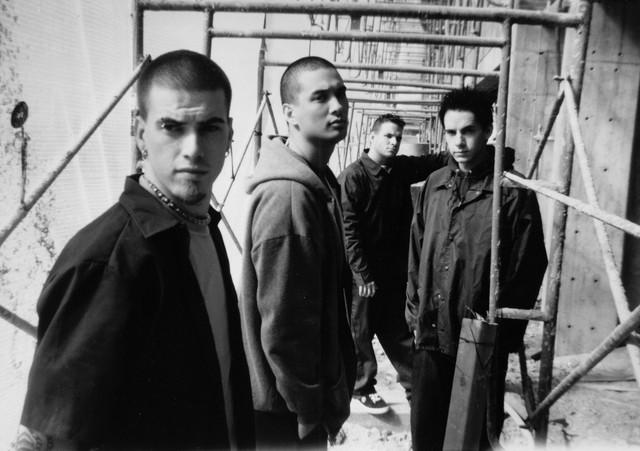
TRUSTcompany’s Spotify BioAlternative metal outfit Trust Company (also referred to as TRUSTcompany and TRUST*CO) formed in Montgomery, AL, circa 1997 around Kevin Palmer (vocals/guitar) and Jason Singleton (drums). The two met after high school, initially playing in a local band together before breaking off to create their own group. Distinguishing themselves from the alt-rock pack in their merger of melody with guitar-driven metal, the group took influence from the likes of Pantera, the Smashing Pumpkins, and the Deftones. With Josh Moates on bass, the band played for three years as a trio; they recruited second guitarist James Fukai in 2000. Self-described as weekend warriors who refused to play covers, the guys played wherever people would have them, aptly covering the Southeast (and as far west as Texas) in their efforts to get noticed and get signed.
Eventually hooking up with Dcide Records, Trust Company later found themselves on the roster at Geffen. Originally called 41 Down, the band would change its… name to Trust Company prior to releasing its debut full-length to avoid confusion with Canadian pop-punkers Sum 41. The Lonely Position of Neutral appeared in mid-2002 and produced two moderately successful singles, "Downfall" and "Running from Me." Tours with bands like Korn, 30 Seconds to Mars, and Papa Roach followed, and the album was eventually certified gold. Trust Company followed up three years later with True Parallels, and supporting tours marked the debut of new bassist Walker Warren. Palmer exited the group in August 2005 for personal reasons; the band broke up soon afterward. Palmer and Moates went on to form Amity Lane with Palmer's wife, Layla, while Fukai turned his attention to the instrumental metal group Hematovore. ~ Corey Apar, Rovi
Viberate is a music analytics platform built for A&Rs, artist managers, labels, booking agents, marketers, and artists.
It helps music professionals track artist growth, analyze audience data, monitor playlist activity, compare artists, follow song performance, and identify opportunities across the music market.
Public artist pages provide a free preview of selected artist data. Paid plans provide access to deeper analytics, historical data, charts, comparisons, playlist tools, exports, alerts, reports, and additional professional features.
Yes. Public Viberate artist pages provide selected artist analytics and music data for free.
Viberate also offers a 7-day free trial of the full platform. A credit card is required to start the trial. The trial includes access to the complete product so users can test deeper artist analytics, historical views, playlist insights, comparisons, charts, exports, alerts, and reporting features before choosing a paid plan.
Viberate provides artist analytics across streaming, playlists, social media, video, radio airplay, songs, and audience markets.
Users can analyze Spotify performance, Spotify and Apple Music playlists, YouTube activity, TikTok and Instagram growth, radio spins, song performance, audience locations, demographics, rankings, and overall artist momentum.
Artist profiles also connect to music charts, similar artists, and comparison tools, helping users benchmark performance and evaluate artists in context.
Viberate updates key artist and track data daily.
For followed artists and tracks, selected data is refreshed multiple times per day. This helps teams monitor playlist changes, streaming movement, audience growth, releases, and campaign performance with more current data.
Update frequency can vary depending on the metric and data source.
Yes. Viberate lets users compare up to five artists side by side across streaming, social media, audience, and engagement metrics.
Users can compare fanbase growth, audience demographics, locations, Spotify performance, social metrics, and other artist data over selected time periods.
Artist comparison can be used for A&R scouting, benchmarking, booking decisions, campaign planning, and evaluating artists with similar audiences or market positions.