Adagio

Metal
Symphonic Metal
Progressive Metal
 Viberate Rank: 147419
 Viberate Rank: 147419
 Monthly ListenersFollowers
 Subscribers
 Followers
 Followers
 FansTop Spotify Songs
| Track | 7-Day Streams | |
|---|---|---|
1 | 740 | |
2 | 569 | |
3 | 544 | |
4 | 481 | |
5 | 472 |
Top YouTube VideosMonthly ListenersFeatured in Playlists| Playlist | Followers | |
|---|---|---|
1 |  Hard Rock Ballads R | 36.09K |
2 | Metal Covers of non-metal songs Jorge García | 30.13K |
3 | Rockers workout Chris Dial | 21.55K |
4 |  Metal Instrumentals Samidhya Sarker Torsho | 18.16K |
5 | Prog Metal Giovanni Pignato | 13.71K |
Audience| City | Monthly Listeners | |
|---|---|---|
1 |  | 220 |
2 |  | 219 |
3 |  | 159 |
4 |  | 103 |
5 |  | 96 |
See full performance history, audience data, playlist activity, rankings, comparisons, and more in Viberate music analytics. Start with a free trial, then continue with a paid plan.
Adagio’s Spotify BioAdagio is a French progressive metal band formed in 2000 by guitarist Stéphan Forté. Adagio's music is known for its technical precision and dark orchestration. Adagio keeps unique complex lead workings which are complemented with a powerful and driving rhythm section.
Since their third studio album “Dominate”, Adagio has evolved from their original power metal sound, but still adhering to their trademark elements of virtuosity and massive orchestral influences, and they implemented a heavier sound with traditional death grunts. “Archangels in Black” was the band's fourth album. The band has stated that the compositions are the ultimate between melodic and extreme metal, and can be considered as a more brutal version of their second album “Underworld”.
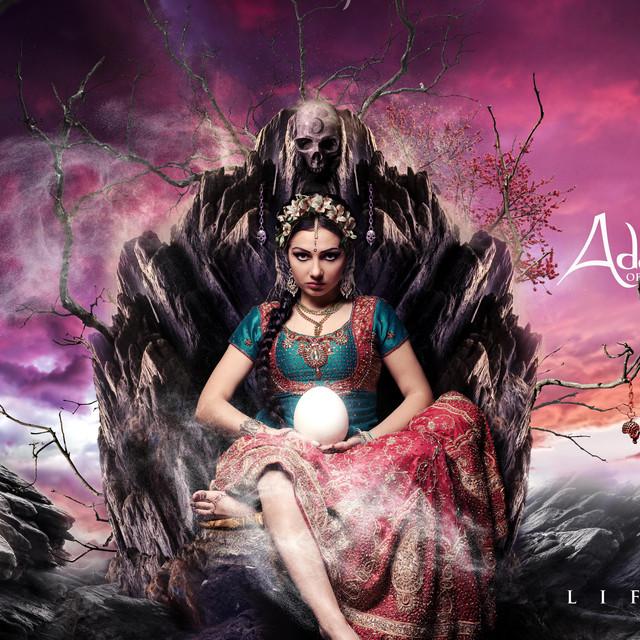
The fifth album ‘Life” was released mid 2017, after a successful Indiegogo crowdfunding campaign. On “Life”, Adagio mixes progressive metal with eastern ethnic and djent influences. Stéphan Forté (guitar), Franck Hermanny (bass) and Kevin… Codfert (keyboards) have always been the foundation of Adagio, whilst they have had multiple vocalists and drummers in the line-up.
Viberate is a music analytics platform built for A&Rs, artist managers, labels, booking agents, marketers, and artists.
It helps music professionals track artist growth, analyze audience data, monitor playlist activity, compare artists, follow song performance, and identify opportunities across the music market.
Public artist pages provide a free preview of selected artist data. Paid plans provide access to deeper analytics, historical data, charts, comparisons, playlist tools, exports, alerts, reports, and additional professional features.
Yes. Public Viberate artist pages provide selected artist analytics and music data for free.
Viberate also offers a 7-day free trial of the full platform. A credit card is required to start the trial. The trial includes access to the complete product so users can test deeper artist analytics, historical views, playlist insights, comparisons, charts, exports, alerts, and reporting features before choosing a paid plan.
Viberate provides artist analytics across streaming, playlists, social media, video, radio airplay, songs, and audience markets.
Users can analyze Spotify performance, Spotify and Apple Music playlists, YouTube activity, TikTok and Instagram growth, radio spins, song performance, audience locations, demographics, rankings, and overall artist momentum.
Artist profiles also connect to music charts, similar artists, and comparison tools, helping users benchmark performance and evaluate artists in context.
Viberate updates key artist and track data daily.
For followed artists and tracks, selected data is refreshed multiple times per day. This helps teams monitor playlist changes, streaming movement, audience growth, releases, and campaign performance with more current data.
Update frequency can vary depending on the metric and data source.
Yes. Viberate lets users compare up to five artists side by side across streaming, social media, audience, and engagement metrics.
Users can compare fanbase growth, audience demographics, locations, Spotify performance, social metrics, and other artist data over selected time periods.
Artist comparison can be used for A&R scouting, benchmarking, booking decisions, campaign planning, and evaluating artists with similar audiences or market positions.