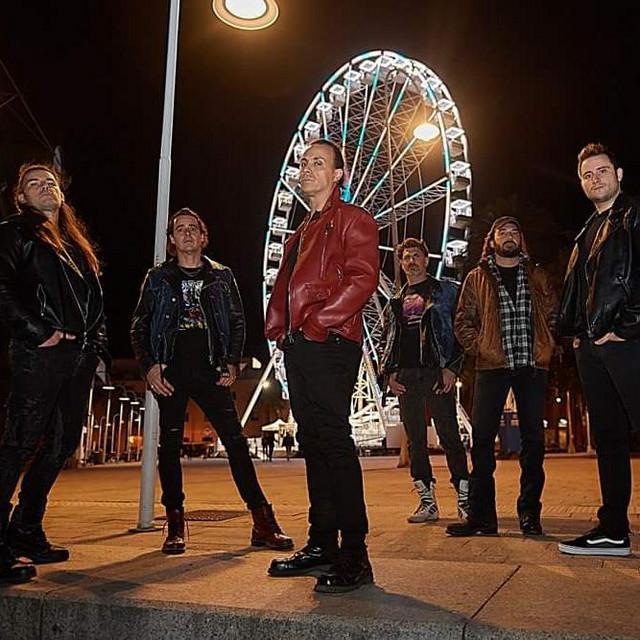
Labyrinth

Metal
Progressive Metal
Power Metal
 Viberate Rank: 134924
 Viberate Rank: 134924
 Monthly ListenersFollowers
 Subscribers
 Followers
 Followers
 FansTop Spotify Songs
| Track | 7-Day Streams | |
|---|---|---|
1 | 2.89K | |
2 | 1.81K | |
3 | 1.26K | |
4 | 1.13K | |
5 | 1.07K |
Top YouTube VideosMonthly ListenersFeatured in Playlists| Playlist | Followers | |
|---|---|---|
1 |  The Sound of Everything The Sounds of Spotify | 53.81K |
2 |  yr*ak gibi hissettiren şarkılar basak 𓇼 ⋆.˚ 𓆉 | 53.23K |
3 |  Power & Fantasy Metal Ringo Jones | 34.75K |
4 |  This Is Saratoga Spotify | 12.52K |
5 | Heavy Metal Ballads Kenneth Eriksen | 12.16K |
Audience| City | Monthly Listeners | |
|---|---|---|
1 |  | 1.24K |
2 |  | 543 |
3 |  | 429 |
4 |  | 314 |
5 |  | 167 |
See full performance history, audience data, playlist activity, rankings, comparisons, and more in Viberate music analytics. Start with a free trial, then continue with a paid plan.
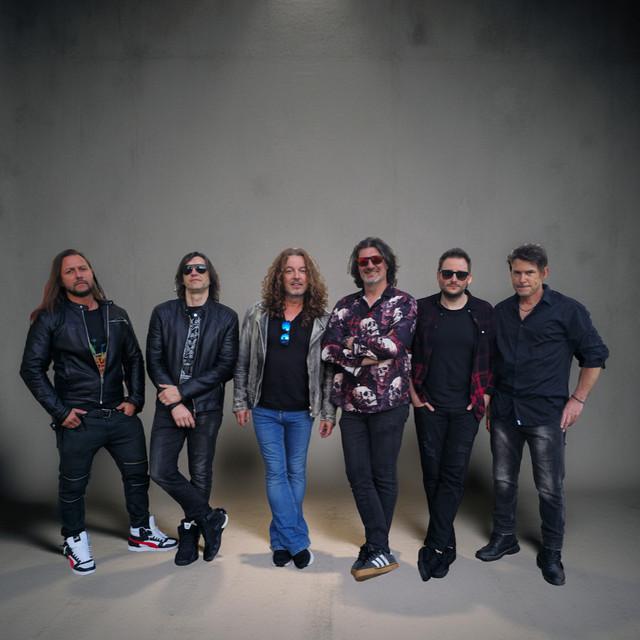
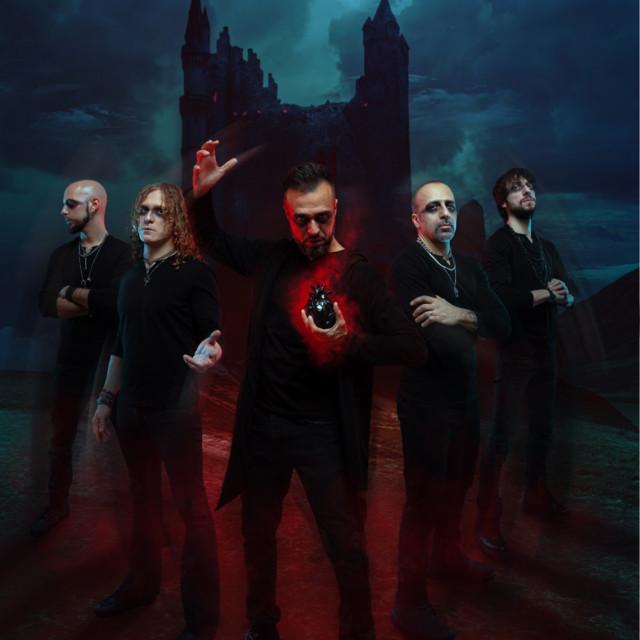
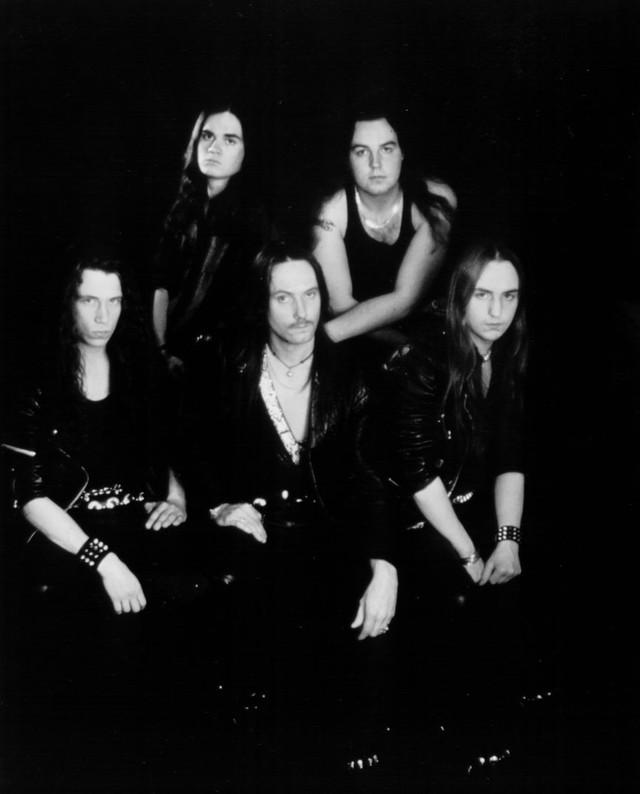
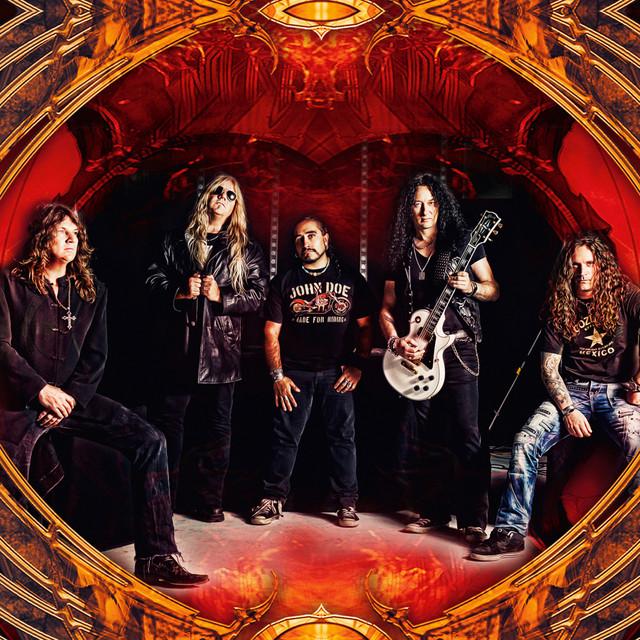
Labyrinth’s Spotify BioOne of Italy's most successful and enduring hard rock bands, Labyrinth employ a captivating blend of progressive and melodic power metal, using keyboards to add a dramatic, tuneful edge to the muscle and velocity of speed metal. Emerging in 1991, the group dominated the European power metal scene of the late '90s and early 2000s, releasing a string of successful albums including 1998's career-making Return to Heaven Denied. Though the group's talent for pairing melody and might remained intact, they endured numerous lineup changes over the next decade, and after the release of Return to Heaven Denied, Pt. 2: A Midnight Autumn's Dream in 2010, Labyrinth went on an indefinite hiatus. However, they made a triumphant return in 2017 with their Frontiers-issued eighth studio long-player Architecture of a God.
Hailing from Massa, a town in Tuscany, Labyrinth were founded in 1991. In the initial lineup, most of the members of the group used pseudonyms; the musicians included lead vocalist Fabio… Tordiglione (aka Joe Terry), guitarists Andrea Cantarelli (aka Anders Rain) and Carlo Andrea Magnani (aka Olaf Thörsen), bassist Andrea Bartoletti, keyboardist Luca Contini (aka Ken Taylor), and drummer Franco Rubulotta (aka Frank Andiver). After several years of woodshedding and live work, the band cut their first demo tape, titled Midnight Resistance, in 1995. The demo earned them positive notices in the European rock press, and they were quickly signed by Underground Symphony Records, which released the band's debut EP, Piece of Time. By the time the EP hit the streets in late 1995, bassist Bartoletti had left Labyrinth, and Cristiano Bertocchi (aka Chris Breeze) took his place.
Arriving in 1996, No Limits was the band's first full-length album, and it spread Labyrinth's growing popularity in Europe, as well as becoming their first release in Japan. In 1997, Fabio Tordiglione left Labyrinth, and Roberto Tiranti (aka Rob Tyrant) became their new lead singer. That same year, Franco Rubulotta and Luca Contini also parted ways with the group, and drummer Mattia Stancioiu (aka Mat Stancioiu) and keyboard man Andrea De Paoli (aka Andrew McPauls) filled out the lineup. The 1998 album Return to Heaven Denied showcased this new edition of Labyrinth, though shortly after the album's release, Tiranti quit the group, and Morby from the band Domine became the group's new singer. Morby's tenure with the group was short-lived, and Tiranti was back at the mike in time to record the 1999 EP Timeless Crime. The Sons of Thunder album was released in 2001, with the band playing many of the major metal festivals in Europe, as well as touring heavily in Italy.
In 2003, Labyrinth self-produced their self-titled fourth album, which found them abandoning their pseudonyms in favor of their given names. It also saw guitarist Carlo Andrea Magnani leave the group; Labyrinth ended up recording the album as a five-piece, with Pier Gonella taking Magnani's place for subsequent touring. In 2005, the group issued its fifth album, Freeman; it would be the last featuring bassist Cristiano Bertocchi, and soon lead singer Tiranti was also serving double duty as bassist. 6 Days to Nowhere was issued in 2007, and in 2008 Pier Gonella left the group to focus on other projects. Carlo Andrea Magnani rejoined Labyrinth in 2009, while the same year saw the departure of drummer Mattia Stancioiu.
In 2010, the band recorded and released Return to Heaven Denied, Pt. 2: A Midnight Autumn's Dream, which introduced a new rhythm section, bassist Sergio Pagnacco and drummer Alessandro Bissa. The band subsequently took a break from the recording studio, releasing the compilation As Time Goes By... in 2011 and focusing on live work. In 2014, Roberto Tiranti left Labyrinth for a second time, with American vocalist Mark Boals signing on to replace him. In 2016, Boals dropped out, Tiranti returned, and a new lineup of Labyrinth debuted with Tiranti, Magnani, and Andrea Cantarelli joined by Oleg Smirnoff on keyboards, Nik Mazzucconi on bass, and John Macaluso on drums. This edition of the band delivered Labyrinth's first set of new material in seven years with the 2017 release Architecture of a God. The next year, they issued the concert recording Return to Live, featuring tracks spanning their long career.
In 2019, Shadows of Steel drummer Mattia Peruzzi replaced Macaluso in time for the recording of Welcome to the Absurd Circus. Co-produced by the band with recording, mixing, and mastering engineer Simone Mularoni, the 12-track set was prefaced in January 2021 with a video for the title track; it was released a couple of weeks later. ~ Mark Deming, Rovi
Viberate is a music analytics platform built for A&Rs, artist managers, labels, booking agents, marketers, and artists.
It helps music professionals track artist growth, analyze audience data, monitor playlist activity, compare artists, follow song performance, and identify opportunities across the music market.
Public artist pages provide a free preview of selected artist data. Paid plans provide access to deeper analytics, historical data, charts, comparisons, playlist tools, exports, alerts, reports, and additional professional features.
Yes. Public Viberate artist pages provide selected artist analytics and music data for free.
Viberate also offers a 7-day free trial of the full platform. A credit card is required to start the trial. The trial includes access to the complete product so users can test deeper artist analytics, historical views, playlist insights, comparisons, charts, exports, alerts, and reporting features before choosing a paid plan.
Viberate provides artist analytics across streaming, playlists, social media, video, radio airplay, songs, and audience markets.
Users can analyze Spotify performance, Spotify and Apple Music playlists, YouTube activity, TikTok and Instagram growth, radio spins, song performance, audience locations, demographics, rankings, and overall artist momentum.
Artist profiles also connect to music charts, similar artists, and comparison tools, helping users benchmark performance and evaluate artists in context.
Viberate updates key artist and track data daily.
For followed artists and tracks, selected data is refreshed multiple times per day. This helps teams monitor playlist changes, streaming movement, audience growth, releases, and campaign performance with more current data.
Update frequency can vary depending on the metric and data source.
Yes. Viberate lets users compare up to five artists side by side across streaming, social media, audience, and engagement metrics.
Users can compare fanbase growth, audience demographics, locations, Spotify performance, social metrics, and other artist data over selected time periods.
Artist comparison can be used for A&R scouting, benchmarking, booking decisions, campaign planning, and evaluating artists with similar audiences or market positions.