Shadow Gallery

Metal
Progressive Metal
 Viberate Rank: 165685
 Viberate Rank: 165685
 Monthly ListenersFollowers
 Subscribers
 Followers
 Followers
 FansTop Spotify Songs
| Track | 7-Day Streams | |
|---|---|---|
1 | 738 | |
2 | 638 | |
3 | 427 | |
4 | 335 | |
5 | 315 |
Top YouTube VideosMonthly ListenersFeatured in Playlists| Playlist | Followers | |
|---|---|---|
1 | Metal🤘🏻 Naydil González | 16.46K |
2 | Prog Metal Giovanni Pignato | 13.71K |
3 | Melodic-Progressive-Metal genus amoris | 4.06K |
4 |  The Sound of Progressive Metal The Sounds of Spotify | 3.19K |
5 |  Chill Rock Café🎸 Josef Henokh | 2.42K |
Audience| City | Monthly Listeners | |
|---|---|---|
1 |  | 134 |
2 |  | 125 |
3 |  | 118 |
4 |  | 55 |
5 |  | 53 |
See full performance history, audience data, playlist activity, rankings, comparisons, and more in Viberate music analytics. Start with a free trial, then continue with a paid plan.
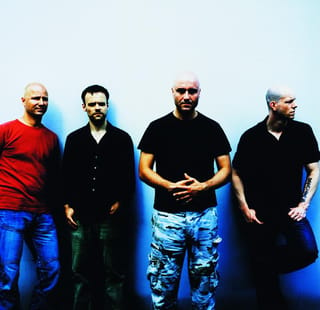
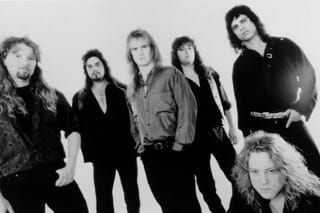
Shadow Gallery’s Spotify BioShadow Gallery is a progressive rock band that stresses songwriting, production and performance in their music. Their songs are frequently long with instrumental pieces in the middle. Shadow Gallery's music is hard at times, soft at others, providing an interesting variety to the listener.
Of the original members, Mike Baker (lead vocals) and Carl Cadden-James (bass, flute) remained for the 1992 debut CD Shadow Gallery. They were joined by Brendt Allman (lead guitar), Chris Ingles (keyboards) and John Cooney (drums). This debut CD was released quickly and is considered by the band to be of demo quality. Although the production is weak, the songwriting on this CD clearly shows artistic potential.
Shadow Gallery took an enormous step in maturity for its second CD, Carved in Stone. A couple of lineup changes were made, with Kevin Soffera taking over on drums and versatile Gary Wehrkamp adding additional guitars and keyboards. Carved in Stone, released in 1995, is longer and much more mature… than the debut CD. It features stunning production, far exceeding that of Shadow Gallery, and improves on the previously high-quality songwriting. The group's third album, Tyranny followed in 1998.
In 1998, the band's third album, Tyranny, was released. This is a concept album about a defense worker who becomes disenchanted with his job and searches for other meanings in his life. The music is very reminiscent of Carved in Stone, although somewhat lighter. Legacy appeared in spring 2001. ~ David White, Rovi
Viberate is a music analytics platform built for A&Rs, artist managers, labels, booking agents, marketers, and artists.
It helps music professionals track artist growth, analyze audience data, monitor playlist activity, compare artists, follow song performance, and identify opportunities across the music market.
Public artist pages provide a free preview of selected artist data. Paid plans provide access to deeper analytics, historical data, charts, comparisons, playlist tools, exports, alerts, reports, and additional professional features.
Yes. Public Viberate artist pages provide selected artist analytics and music data for free.
Viberate also offers a 7-day free trial of the full platform. A credit card is required to start the trial. The trial includes access to the complete product so users can test deeper artist analytics, historical views, playlist insights, comparisons, charts, exports, alerts, and reporting features before choosing a paid plan.
Viberate provides artist analytics across streaming, playlists, social media, video, radio airplay, songs, and audience markets.
Users can analyze Spotify performance, Spotify and Apple Music playlists, YouTube activity, TikTok and Instagram growth, radio spins, song performance, audience locations, demographics, rankings, and overall artist momentum.
Artist profiles also connect to music charts, similar artists, and comparison tools, helping users benchmark performance and evaluate artists in context.
Viberate updates key artist and track data daily.
For followed artists and tracks, selected data is refreshed multiple times per day. This helps teams monitor playlist changes, streaming movement, audience growth, releases, and campaign performance with more current data.
Update frequency can vary depending on the metric and data source.
Yes. Viberate lets users compare up to five artists side by side across streaming, social media, audience, and engagement metrics.
Users can compare fanbase growth, audience demographics, locations, Spotify performance, social metrics, and other artist data over selected time periods.
Artist comparison can be used for A&R scouting, benchmarking, booking decisions, campaign planning, and evaluating artists with similar audiences or market positions.