Abscess

Metal
Death Metal
Grindcore
 Viberate Rank: 375587
 Viberate Rank: 375587
 Monthly ListenersFollowers
 Subscribers
 Followers
 Followers
 FansTop Spotify Songs
| Track | 7-Day Streams | |
|---|---|---|
1 | 86 | |
2 | 54 | |
3 | 51 | |
4 | 49 | |
5 | 30 |
Top YouTube VideosMonthly ListenersFeatured in Playlists| Playlist | Followers | |
|---|---|---|
1 |  FENRIZ METAL Gylve | 32.35K |
2 |  Ultimate Grindcore Spikerot Records | 9.48K |
3 | Death Metal Instrumentals seaofcheese | 3.73K |
4 | Death Metal (80s & 90s) kburke138 | 3.20K |
5 | DEATH METAL/GRINDCORE/BLACK METAL/DOOM DEATH ++ Tokes | 2.81K |
Audience| City | Monthly Listeners | |
|---|---|---|
1 | | 16 |
2 |  | 15 |
3 |  | 10 |
4 |  | 10 |
5 | | 9 |
See full performance history, audience data, playlist activity, rankings, comparisons, and more in Viberate music analytics. Start with a free trial, then continue with a paid plan.
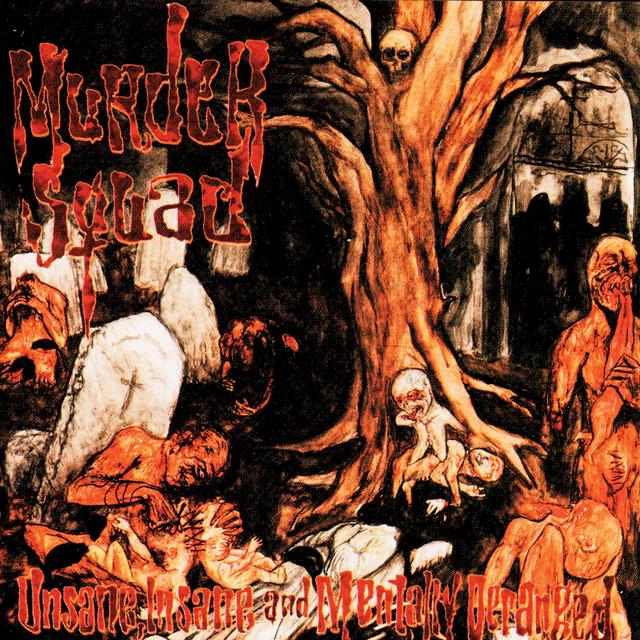
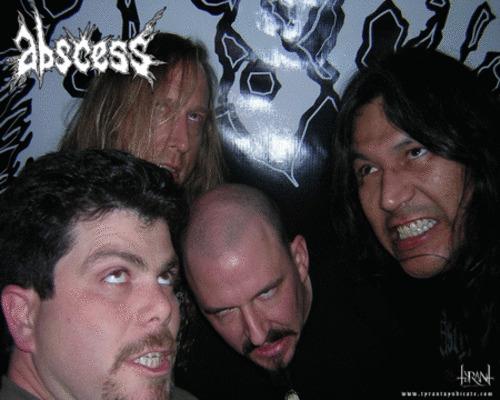
Abscess’ Spotify BioAfter the dissolution of the well-liked Autopsy, metal fans were hoping for a punk-influenced death metal band that had a similar dark humorous vibe. Former Autopsy drummer Chris Reifert and guitarist Danny Coralles decided to take that vision farther and added guitarist/bassist Clint Bower to the mix for a new band. Taking a tighter, more grindcore oriented route for their new material, Abscess slowly developed and started recording demos. Relapse Records was highly impressed by what they heard, and released the demos as they were in 1995 as Urine Junkies. The disgusting cover art kept them outside of most record stores, and Relapse rethought their strategy and released the next year's Seminal Vampires & Maggotmen with an equally freakish but less disturbing cover. After putting together one last EP (Throbbing Black Werebeast) for Relapse, they were dropped and found themselves without a label. The band spent the next few years rehearsing and putting together new material, and by 1999… they had labels knocking at their door again. Listenable Records finally signed the group and put out Tormented in 2001. A few underground singles kept them busy while they hit the road, and Peaceville Records signed them away and opted to release Through the Cracks of Death in 2002. Soon after, bassist Joe Allen joined the group before they started touring to support the album. ~ Bradley Torreano, Rovi
Viberate is a music analytics platform built for A&Rs, artist managers, labels, booking agents, marketers, and artists.
It helps music professionals track artist growth, analyze audience data, monitor playlist activity, compare artists, follow song performance, and identify opportunities across the music market.
Public artist pages provide a free preview of selected artist data. Paid plans provide access to deeper analytics, historical data, charts, comparisons, playlist tools, exports, alerts, reports, and additional professional features.
Yes. Public Viberate artist pages provide selected artist analytics and music data for free.
Viberate also offers a 7-day free trial of the full platform. A credit card is required to start the trial. The trial includes access to the complete product so users can test deeper artist analytics, historical views, playlist insights, comparisons, charts, exports, alerts, and reporting features before choosing a paid plan.
Viberate provides artist analytics across streaming, playlists, social media, video, radio airplay, songs, and audience markets.
Users can analyze Spotify performance, Spotify and Apple Music playlists, YouTube activity, TikTok and Instagram growth, radio spins, song performance, audience locations, demographics, rankings, and overall artist momentum.
Artist profiles also connect to music charts, similar artists, and comparison tools, helping users benchmark performance and evaluate artists in context.
Viberate updates key artist and track data daily.
For followed artists and tracks, selected data is refreshed multiple times per day. This helps teams monitor playlist changes, streaming movement, audience growth, releases, and campaign performance with more current data.
Update frequency can vary depending on the metric and data source.
Yes. Viberate lets users compare up to five artists side by side across streaming, social media, audience, and engagement metrics.
Users can compare fanbase growth, audience demographics, locations, Spotify performance, social metrics, and other artist data over selected time periods.
Artist comparison can be used for A&R scouting, benchmarking, booking decisions, campaign planning, and evaluating artists with similar audiences or market positions.