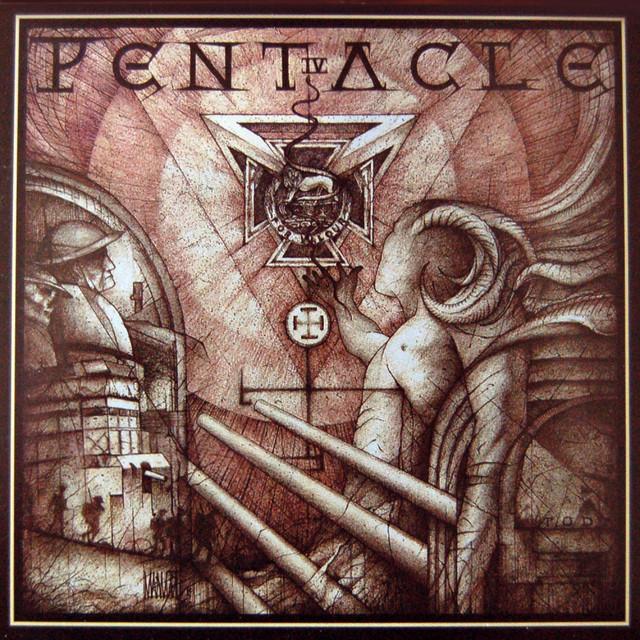
Pentacle

Metal
Death Metal
Black Metal
 Viberate Rank: 380523
 Viberate Rank: 380523
 Monthly ListenersFollowers
 Subscribers
 Followers
 Followers
 FansTop Spotify Songs
| Track | 7-Day Streams | |
|---|---|---|
1 | 50 | |
2 | 37 | |
3 | 31 | |
4 | 28 | |
5 | 17 |
Top YouTube VideosMonthly ListenersFeatured in Playlists| Playlist | Followers | |
|---|---|---|
1 | Death Metal Instrumentals seaofcheese | 3.73K |
2 |  THRASH METAL INSTRUMENTALS LordWalpurgis | 1.72K |
3 |  LIVE FROM THE MOON RADIO George Peck | 1.47K |
Audience| City | Monthly Listeners | |
|---|---|---|
1 |  | 26 |
2 |  | 14 |
3 | | 7 |
4 | | 7 |
5 |  | 6 |
See full performance history, audience data, playlist activity, rankings, comparisons, and more in Viberate music analytics. Start with a free trial, then continue with a paid plan.
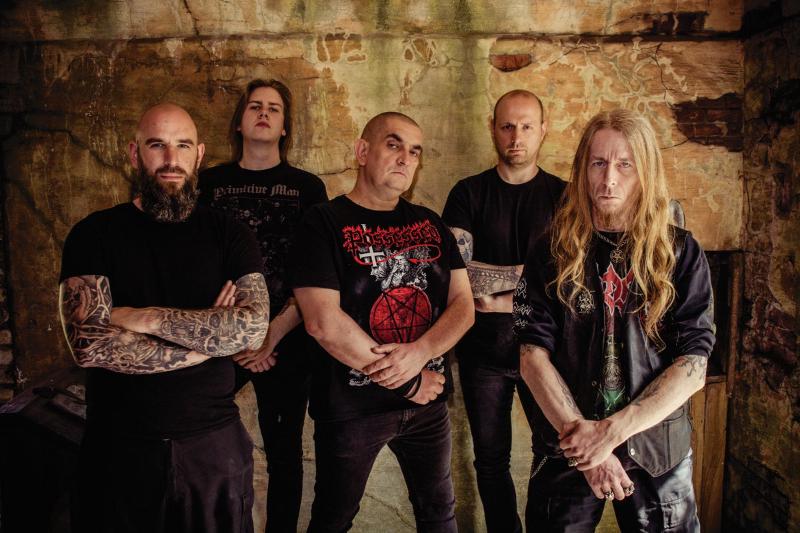
Pentacle’s Spotify BioInspired by occult subject matter and everything evil in death metal/black metal (i.e. Venom, Mercyful Fate, Hellhammer, et al.), Holland's Pentacle began taking shape as early as 1989, but it wasn't until several years and demos later that Wannes Gubbels (vocals/bass), Mike Verhoeven (guitar), and Marc Nelissen (drums) finally caught a break. Along with recent arrival Edwin Folsche (guitar), they signed to Displeased Records and released their 1996 debut album, Fifth Moon, and, after returning to the power trio format, 1998's Rides the Moonstorm. Neither of these helped further their cause, however, and when the opportunity arose for Gubbels to join former members of Asphyx in a new project called Soulburn, Pentacle was relegated to a secondary concern. And yet, the arrival of new drummer Robert Smissaert and addition of second guitarist Alex Verhoeven for the occasional single and EP release (2001 saw one named Ancient Death) would suggest Pentacle have not packed it in just yet. ~… Eduardo Rivadavia, Rovi
Viberate is a music analytics platform built for A&Rs, artist managers, labels, booking agents, marketers, and artists.
It helps music professionals track artist growth, analyze audience data, monitor playlist activity, compare artists, follow song performance, and identify opportunities across the music market.
Public artist pages provide a free preview of selected artist data. Paid plans provide access to deeper analytics, historical data, charts, comparisons, playlist tools, exports, alerts, reports, and additional professional features.
Yes. Public Viberate artist pages provide selected artist analytics and music data for free.
Viberate also offers a 7-day free trial of the full platform. A credit card is required to start the trial. The trial includes access to the complete product so users can test deeper artist analytics, historical views, playlist insights, comparisons, charts, exports, alerts, and reporting features before choosing a paid plan.
Viberate provides artist analytics across streaming, playlists, social media, video, radio airplay, songs, and audience markets.
Users can analyze Spotify performance, Spotify and Apple Music playlists, YouTube activity, TikTok and Instagram growth, radio spins, song performance, audience locations, demographics, rankings, and overall artist momentum.
Artist profiles also connect to music charts, similar artists, and comparison tools, helping users benchmark performance and evaluate artists in context.
Viberate updates key artist and track data daily.
For followed artists and tracks, selected data is refreshed multiple times per day. This helps teams monitor playlist changes, streaming movement, audience growth, releases, and campaign performance with more current data.
Update frequency can vary depending on the metric and data source.
Yes. Viberate lets users compare up to five artists side by side across streaming, social media, audience, and engagement metrics.
Users can compare fanbase growth, audience demographics, locations, Spotify performance, social metrics, and other artist data over selected time periods.
Artist comparison can be used for A&R scouting, benchmarking, booking decisions, campaign planning, and evaluating artists with similar audiences or market positions.