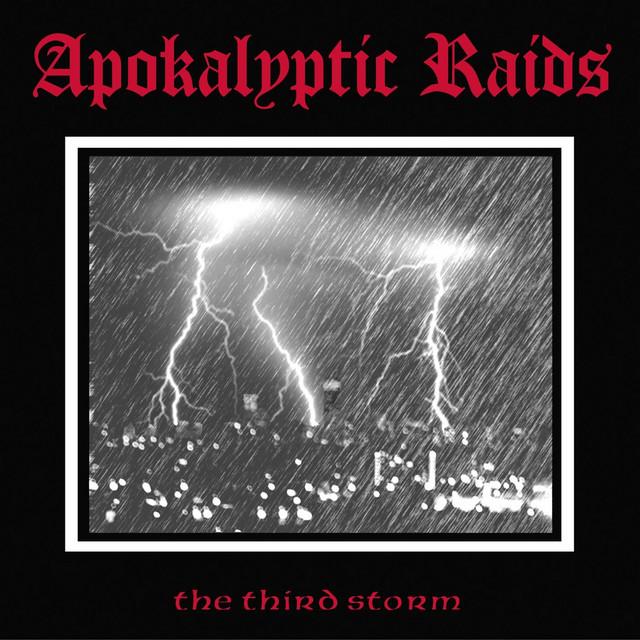
Apokalyptic Raids

Metal
Black Metal
Speed Metal
Thrash Metal
 Viberate Rank: 352893
 Viberate Rank: 352893
 Monthly ListenersFollowers
 Subscribers
 Followers
 Followers
 FansTop Spotify Songs
| Track | 7-Day Streams | |
|---|---|---|
1 | 62 | |
2 | 46 | |
3 | 27 | |
4 | 21 | |
5 | 19 |
Top YouTube VideosMonthly ListenersFeatured in Playlists| Playlist | Followers | |
|---|---|---|
1 |  FENRIZ METAL Gylve | 32.35K |
2 |  Crust Punk / D-Beat Miguel Ciprés Avendaño | 12.56K |
3 | Crust Punk | Metalpunk | D-beat | Black Metal ... Berenice Espinosa | 5.08K |
4 |  Blackened Thrash Metal T | 4.06K |
5 |  Hardcore Punk | Anarcho | Crust | D-Beat gabe cevallos | 3.33K |
Audience| City | Monthly Listeners | |
|---|---|---|
1 | | 22 |
2 | | 12 |
3 |  | 11 |
4 |  | 9 |
5 | | 8 |
See full performance history, audience data, playlist activity, rankings, comparisons, and more in Viberate music analytics. Start with a free trial, then continue with a paid plan.
Apokalyptic Raids’ Spotify BioThe band's references date back to the late 1970's, when sons of the New Wave of British Heavy Metal VENOM appeared. Uniting KISS' theatrics, to the heaviness of BLACK SABBATH, and the aggression of MOTÖRHEAD and Hardcore Punk, they took Metal to the next level, creating the Power/Speed/Thrash/Death/Black Metal subgenres. Great genre-defining bands followed in the years 1982 - 1987, such as HELLHAMMER, BATHORY, SODOM, ONSLAUGHT, MASTER, POSSESSED, and in Brazil VULCANO and DORSAL ATLÂNTICA, among many others.
That golden age of Metal is often refered to, but seldom completely understood. The bottom line is that good Heavy music has no expiration date.
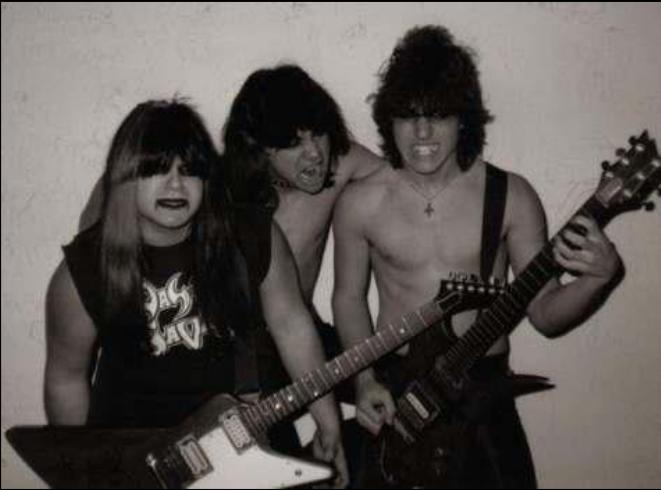
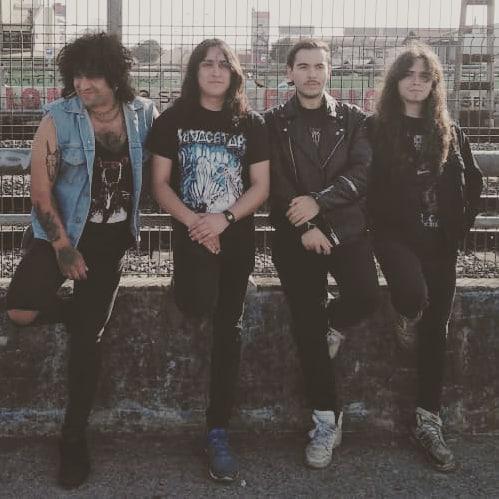
APOKALYPTIC RAIDS was formed in Rio de Janeiro, Brazil, in 1998, by fans who lived that history. Some songs date back to 1985.
Fast and visceral, yet heavy and introspective. Vintage and careful production. Simple, rustic, yet not easy to reproduce. Lyrics dealing with obscure, fantastic, existential,
pessimistic, niestszchean themes.
Viberate is a music analytics platform built for A&Rs, artist managers, labels, booking agents, marketers, and artists.
It helps music professionals track artist growth, analyze audience data, monitor playlist activity, compare artists, follow song performance, and identify opportunities across the music market.
Public artist pages provide a free preview of selected artist data. Paid plans provide access to deeper analytics, historical data, charts, comparisons, playlist tools, exports, alerts, reports, and additional professional features.
Yes. Public Viberate artist pages provide selected artist analytics and music data for free.
Viberate also offers a 7-day free trial of the full platform. A credit card is required to start the trial. The trial includes access to the complete product so users can test deeper artist analytics, historical views, playlist insights, comparisons, charts, exports, alerts, and reporting features before choosing a paid plan.
Viberate provides artist analytics across streaming, playlists, social media, video, radio airplay, songs, and audience markets.
Users can analyze Spotify performance, Spotify and Apple Music playlists, YouTube activity, TikTok and Instagram growth, radio spins, song performance, audience locations, demographics, rankings, and overall artist momentum.
Artist profiles also connect to music charts, similar artists, and comparison tools, helping users benchmark performance and evaluate artists in context.
Viberate updates key artist and track data daily.
For followed artists and tracks, selected data is refreshed multiple times per day. This helps teams monitor playlist changes, streaming movement, audience growth, releases, and campaign performance with more current data.
Update frequency can vary depending on the metric and data source.
Yes. Viberate lets users compare up to five artists side by side across streaming, social media, audience, and engagement metrics.
Users can compare fanbase growth, audience demographics, locations, Spotify performance, social metrics, and other artist data over selected time periods.
Artist comparison can be used for A&R scouting, benchmarking, booking decisions, campaign planning, and evaluating artists with similar audiences or market positions.