Guy

R&B
Contemporary R&B
 Viberate Rank: 23005
 Viberate Rank: 23005
 Monthly ListenersFollowers
 Subscribers
 Followers
 Followers
 FansTop Spotify Songs
| Track | 7-Day Streams | |
|---|---|---|
1 | 112.37K | |
2 | 103.20K | |
3 | 92.06K | |
4 | 35.04K | |
5 | 27.25K |
Top YouTube Videos| Video | 7-Day Views | |
|---|---|---|
1 | 21.24K | |
2 | 12.08K | |
3 | 8.53K | |
4 | 2.45K | |
5 | 2.44K |
Monthly ListenersFeatured in Playlists| Playlist | Followers | |
|---|---|---|
1 |  Film & TV Favorites: 90s Black Cinema Spotify | 954.48K |
2 |  ’80s Jam Session Spotify | 876.49K |
3 |  Slow Jamz Spotify | 487.01K |
4 |  throwback bangers (90s - 2010s) Filtr US | 300.36K |
5 |  GTA San Andreas Radio Low Fidelity | 252.20K |
Audience| City | Monthly Listeners | |
|---|---|---|
1 | | 19.57K |
2 | | 16.09K |
3 | | 15.89K |
4 | | 15.65K |
5 | | 15.37K |
See full performance history, audience data, playlist activity, rankings, comparisons, and more in Viberate music analytics. Start with a free trial, then continue with a paid plan.
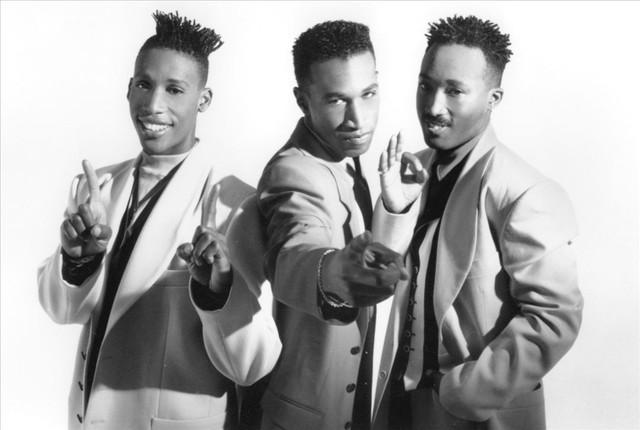
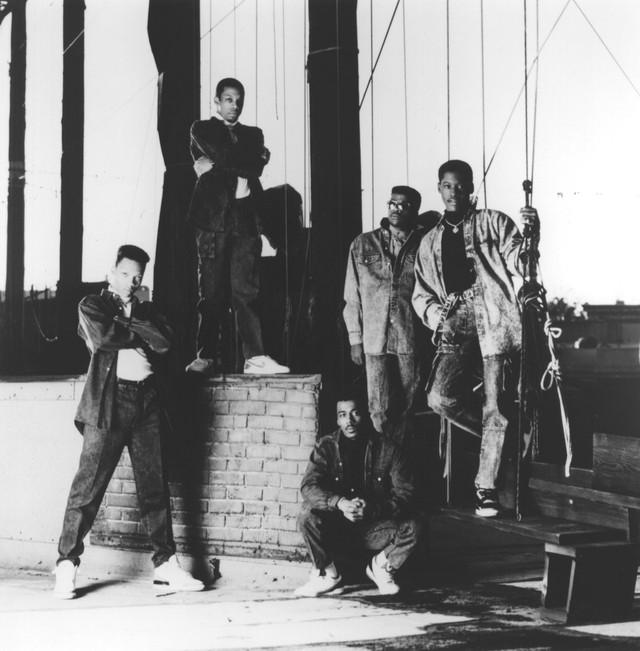
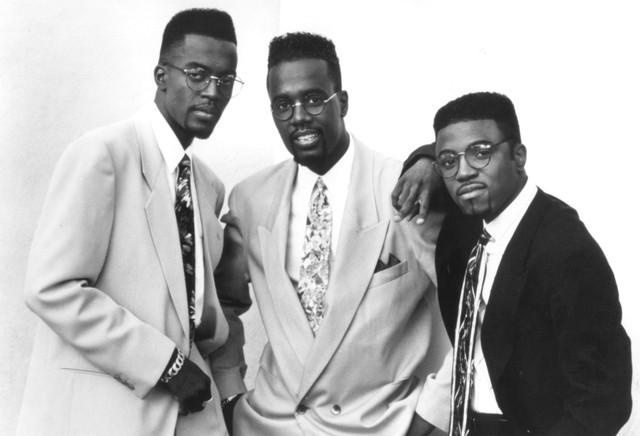
Guy’s Spotify BioGuy is an iconic R&B trio that revolutionized the music scene in the late '80s by pioneering the New Jack Swing movement, blending smooth R&B vocals with hip-hop beats and funk influences. Formed in Harlem, New York, in 1987, the group consisted of Aaron Hall, Teddy Riley, and Timmy Gatling (later replaced by Damion Hall). With Teddy Riley's groundbreaking production and Aaron Hall's powerhouse vocals, Guy quickly became a dominant force in the music industry.
Their self-titled debut album, Guy (1988), introduced timeless hits like "Groove Me," "Teddy's Jam," and "I Like," redefining the sound of R&B for a new generation. Their follow-up album, The Future (1990), delivered more chart-toppers, including "Let's Chill" and "D-O-G Me Out," solidifying their status as innovators and trendsetters.
Guy's music and style influenced countless artists and helped define the New Jack Swing era, leaving an indelible mark on R&B and pop culture. Despite periods of hiatus, the group's legacy endures,… celebrated for their unmatched energy, cutting-edge sound, and contributions to the evolution of modern R&B.
Viberate is a music analytics platform built for A&Rs, artist managers, labels, booking agents, marketers, and artists.
It helps music professionals track artist growth, analyze audience data, monitor playlist activity, compare artists, follow song performance, and identify opportunities across the music market.
Public artist pages provide a free preview of selected artist data. Paid plans provide access to deeper analytics, historical data, charts, comparisons, playlist tools, exports, alerts, reports, and additional professional features.
Yes. Public Viberate artist pages provide selected artist analytics and music data for free.
Viberate also offers a 7-day free trial of the full platform. A credit card is required to start the trial. The trial includes access to the complete product so users can test deeper artist analytics, historical views, playlist insights, comparisons, charts, exports, alerts, and reporting features before choosing a paid plan.
Viberate provides artist analytics across streaming, playlists, social media, video, radio airplay, songs, and audience markets.
Users can analyze Spotify performance, Spotify and Apple Music playlists, YouTube activity, TikTok and Instagram growth, radio spins, song performance, audience locations, demographics, rankings, and overall artist momentum.
Artist profiles also connect to music charts, similar artists, and comparison tools, helping users benchmark performance and evaluate artists in context.
Viberate updates key artist and track data daily.
For followed artists and tracks, selected data is refreshed multiple times per day. This helps teams monitor playlist changes, streaming movement, audience growth, releases, and campaign performance with more current data.
Update frequency can vary depending on the metric and data source.
Yes. Viberate lets users compare up to five artists side by side across streaming, social media, audience, and engagement metrics.
Users can compare fanbase growth, audience demographics, locations, Spotify performance, social metrics, and other artist data over selected time periods.
Artist comparison can be used for A&R scouting, benchmarking, booking decisions, campaign planning, and evaluating artists with similar audiences or market positions.