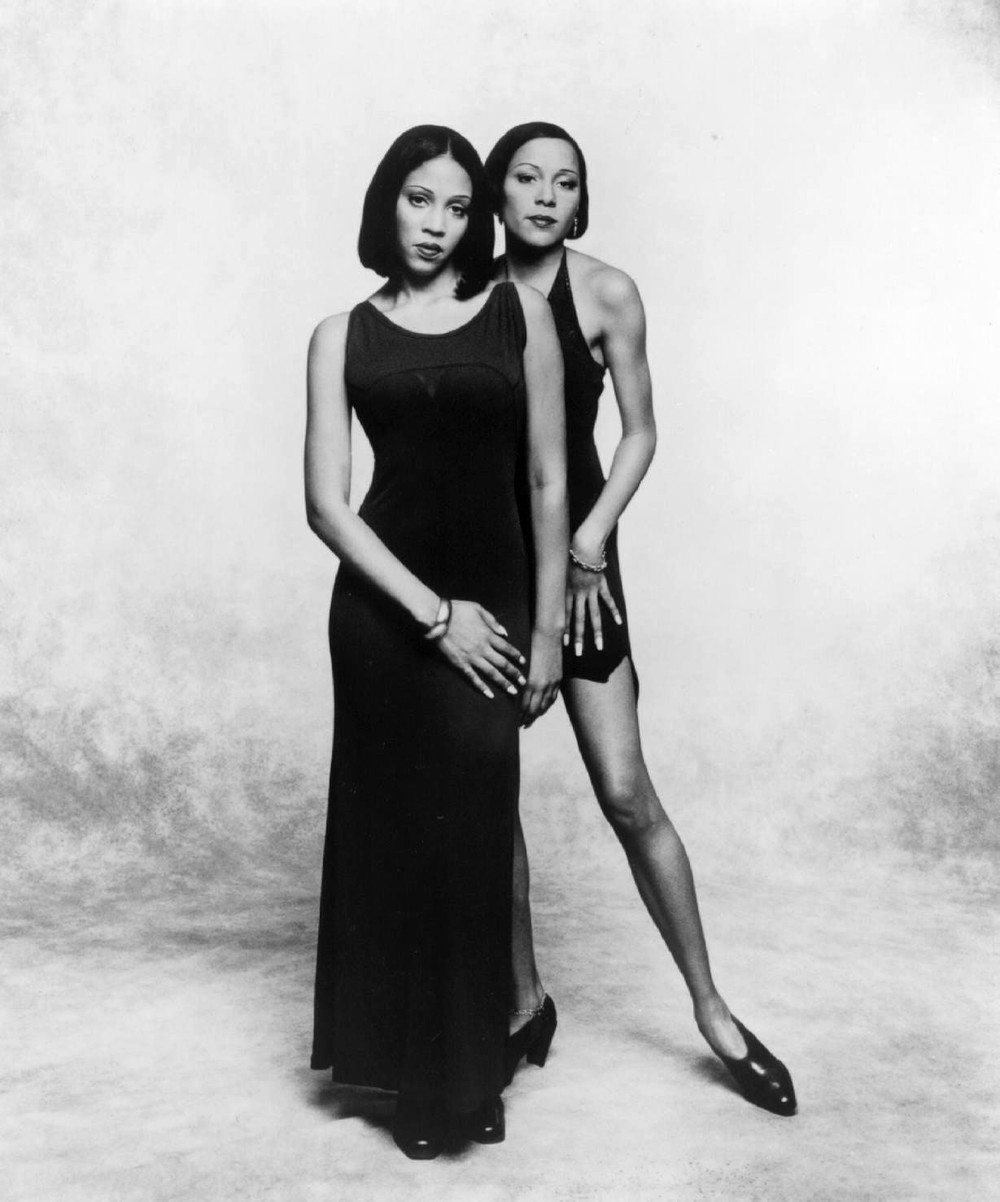
H-Town

R&B
Contemporary R&B
Soul
 Viberate Rank: 14101
 Viberate Rank: 14101
 Monthly ListenersFollowers
 Subscribers
 Followers
 Followers
 FansTop Spotify Songs
| Track | 7-Day Streams | |
|---|---|---|
1 | 262.10K | |
2 | 45.68K | |
3 | 39.48K | |
4 | 31.64K | |
5 | 23.19K |
Top YouTube VideosMonthly ListenersFeatured in Playlists| Playlist | Followers | |
|---|---|---|
1 |  Film & TV Favorites: 90s Black Cinema Spotify | 954.48K |
2 |  Sport Motivation 2026 Vynx Records | 287.77K |
3 |  90s R&B Hits (Top 100) Nostalgic Vibes | 234.83K |
4 |  Lil Wayne Greatest Hits Marvin.K.Mariga | 141.47K |
5 |  ACADEMIA 2027 AS MELHORES Valorize O Groove | 127.08K |
Audience| City | Monthly Listeners | |
|---|---|---|
1 | | 20.47K |
2 | | 20.20K |
3 | | 18.25K |
4 | | 16.66K |
5 | | 16.20K |
See full performance history, audience data, playlist activity, rankings, comparisons, and more in Viberate music analytics. Start with a free trial, then continue with a paid plan.
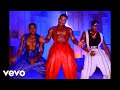
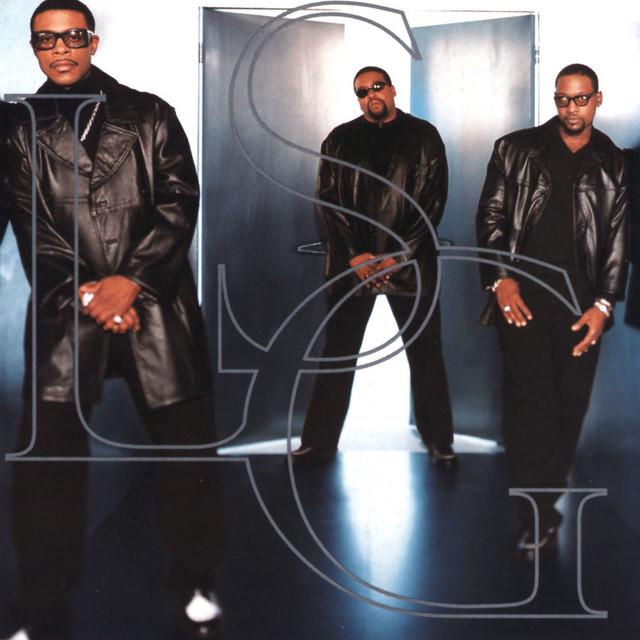
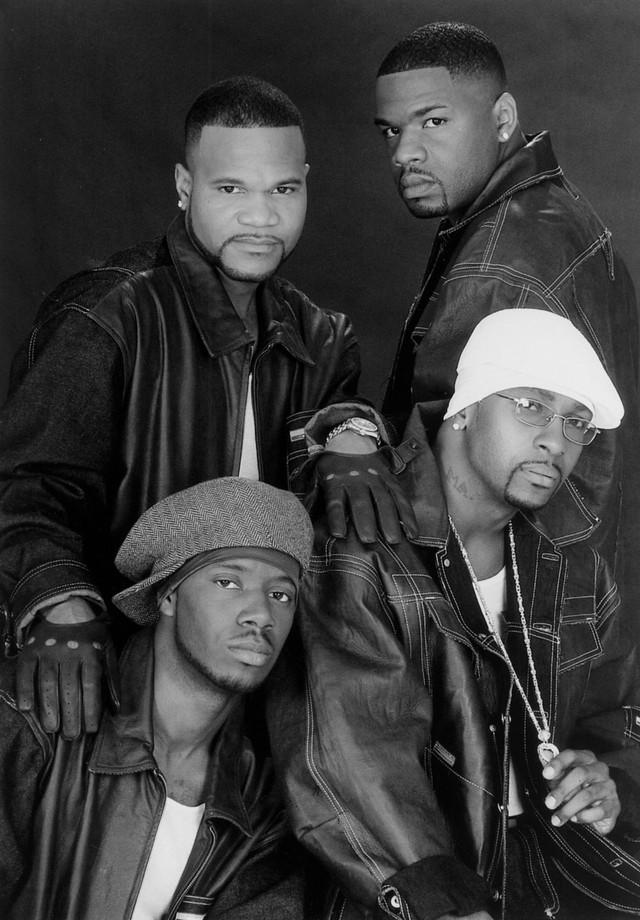
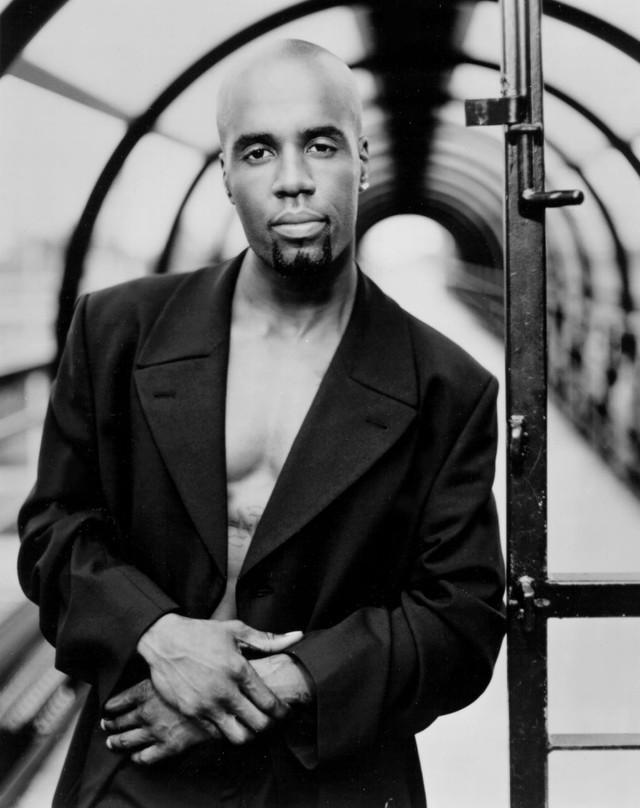
H-Town’s Spotify BioOne of the big surprises of 1993 was H-Town, a vocal group that emerged from the stable of 2 Live Crew creator Luther Campbell. The single "Knockin' da Boots," a number three hit on the Billboard Hot 100 chart, established the group as part of the new breed of contemporary vocal groups harking back to vintage soul, rather than new jack swing, as their inspiration. The song's parent album, Fever for da Flavor, went platinum.
The group's second and third albums, Beggin' After Dark (1994) and Ladies Edition, Woman's World (1997), both went gold, but their popularity continued to wane.
Several years -- a period that included an automobile accident that took the life of founding member Kevin "Dino" Conner, as well as that of the singer's girlfriend -- preceded their fourth album, the self-issued Imitations of Life (2004).
Surviving members Solomon "Shazam" Conner and Darryl "G.I." Jackson continue to perform and record as H-Town, including the 2009 single "Knockin' Your Heels," on which they… were joined by members of Jodeci and Pretty Ricky.
In 2019, H-Town released the single Green Light 713, featuring Lil' Flip, which was followed by their EP release Date Night. In 2023, they released Strokey Doke, the single reached Top-30 on Billboard's Adult R&B Airplay chart, and introduced Shazam Conner as a solo artist.
Viberate is a music analytics platform built for A&Rs, artist managers, labels, booking agents, marketers, and artists.
It helps music professionals track artist growth, analyze audience data, monitor playlist activity, compare artists, follow song performance, and identify opportunities across the music market.
Public artist pages provide a free preview of selected artist data. Paid plans provide access to deeper analytics, historical data, charts, comparisons, playlist tools, exports, alerts, reports, and additional professional features.
Yes. Public Viberate artist pages provide selected artist analytics and music data for free.
Viberate also offers a 7-day free trial of the full platform. A credit card is required to start the trial. The trial includes access to the complete product so users can test deeper artist analytics, historical views, playlist insights, comparisons, charts, exports, alerts, and reporting features before choosing a paid plan.
Viberate provides artist analytics across streaming, playlists, social media, video, radio airplay, songs, and audience markets.
Users can analyze Spotify performance, Spotify and Apple Music playlists, YouTube activity, TikTok and Instagram growth, radio spins, song performance, audience locations, demographics, rankings, and overall artist momentum.
Artist profiles also connect to music charts, similar artists, and comparison tools, helping users benchmark performance and evaluate artists in context.
Viberate updates key artist and track data daily.
For followed artists and tracks, selected data is refreshed multiple times per day. This helps teams monitor playlist changes, streaming movement, audience growth, releases, and campaign performance with more current data.
Update frequency can vary depending on the metric and data source.
Yes. Viberate lets users compare up to five artists side by side across streaming, social media, audience, and engagement metrics.
Users can compare fanbase growth, audience demographics, locations, Spotify performance, social metrics, and other artist data over selected time periods.
Artist comparison can be used for A&R scouting, benchmarking, booking decisions, campaign planning, and evaluating artists with similar audiences or market positions.