Cerberus Shoal

Rock
Progressive Rock
Post Rock
Indie Rock
 Viberate Rank: 367359
 Viberate Rank: 367359
 Monthly ListenersFollowers
 Subscribers
 Followers
 Followers
 FansTop Spotify Songs
| Track | 7-Day Streams | |
|---|---|---|
1 | 175 | |
2 | 105 | |
3 | 87 | |
4 | 76 | |
5 | 61 |
Top YouTube VideosMonthly ListenersFeatured in Playlists| Playlist | Followers | |
|---|---|---|
1 |  Early Emo Numero Group | 24.24K |
2 |  Midwest Emo Instrumental Phillip Brown | 8.68K |
3 |  The Sound of Freak Folk The Sounds of Spotify | 6.48K |
4 |  Screamo/Skramz (Numero Group) Numero Group Scenes & Decades | 4.43K |
5 |  tvwishes evie | 2.50K |
Audience| City | Monthly Listeners | |
|---|---|---|
1 | | 20 |
2 | | 20 |
3 | | 17 |
4 | | 17 |
5 | | 16 |
See full performance history, audience data, playlist activity, rankings, comparisons, and more in Viberate music analytics. Start with a free trial, then continue with a paid plan.
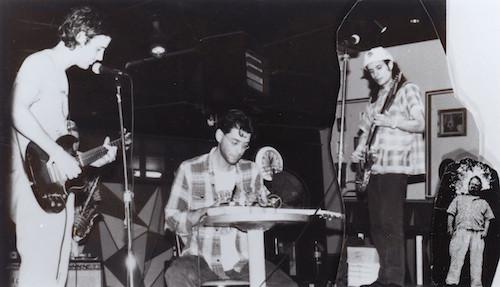
Cerberus Shoal’s Spotify BioStarting with their punk rock roots upon their 1994 formation, Cerberus Shoal relocated from Maine to Boston when the first line up of Caleb Mulkerin (guitar), Chriss Sutherland (bass/ vocals), Tom Rogers (drums) and Josh Ogden (guitar) was established. After a handful of shows at ABC No Rio, a self-titled EP and a full blown US tour all before the end of 1995, a couple line up changes would progress the Cerberus Shoal sound to a poppier, mellower appeal. With Kristen Hedges replacing Ogden on guitar and vocals, and the addition of David Mulder on keyboards, the two EP Lighthouse in Athens Parts One and Two and And Farewell to Hightide... were released in 1996 on Tree Records; both of these featuring Cerberus Shoal's stylistic changes. After Hedges departed later on that year, the single "Breathing Machine" came out in 1997 following another two song EP Elements of Structure/ Permanence, clocking in at 50 minutes total. With Mulder leaving the band before another tour of the United… States, Cerberus Shoal quickly borrowed Thomas Kovaceic (guitar/ vocals) and Tim Harbeson (keyboards/ trumpet) from the band Tarpigh before recruiting them full time. Homb was released in 1999 and Crash My Moon Yacht followed in mid-2000. ~ Mike DaRonco, Rovi
Viberate is a music analytics platform built for A&Rs, artist managers, labels, booking agents, marketers, and artists.
It helps music professionals track artist growth, analyze audience data, monitor playlist activity, compare artists, follow song performance, and identify opportunities across the music market.
Public artist pages provide a free preview of selected artist data. Paid plans provide access to deeper analytics, historical data, charts, comparisons, playlist tools, exports, alerts, reports, and additional professional features.
Yes. Public Viberate artist pages provide selected artist analytics and music data for free.
Viberate also offers a 7-day free trial of the full platform. A credit card is required to start the trial. The trial includes access to the complete product so users can test deeper artist analytics, historical views, playlist insights, comparisons, charts, exports, alerts, and reporting features before choosing a paid plan.
Viberate provides artist analytics across streaming, playlists, social media, video, radio airplay, songs, and audience markets.
Users can analyze Spotify performance, Spotify and Apple Music playlists, YouTube activity, TikTok and Instagram growth, radio spins, song performance, audience locations, demographics, rankings, and overall artist momentum.
Artist profiles also connect to music charts, similar artists, and comparison tools, helping users benchmark performance and evaluate artists in context.
Viberate updates key artist and track data daily.
For followed artists and tracks, selected data is refreshed multiple times per day. This helps teams monitor playlist changes, streaming movement, audience growth, releases, and campaign performance with more current data.
Update frequency can vary depending on the metric and data source.
Yes. Viberate lets users compare up to five artists side by side across streaming, social media, audience, and engagement metrics.
Users can compare fanbase growth, audience demographics, locations, Spotify performance, social metrics, and other artist data over selected time periods.
Artist comparison can be used for A&R scouting, benchmarking, booking decisions, campaign planning, and evaluating artists with similar audiences or market positions.