24-7 Spyz

R&B
Soul
Funk Rock
 Viberate Rank: 214738
 Viberate Rank: 214738
 Monthly ListenersFollowers
 Subscribers
 Followers
 Followers
 FansTop Spotify Songs
| Track | 7-Day Streams | |
|---|---|---|
1 | 1.21K | |
2 | 844 | |
3 | 522 | |
4 | 289 | |
5 | 286 |
Top YouTube VideosMonthly ListenersFeatured in Playlists| Playlist | Followers | |
|---|---|---|
1 |  Funk Rock Spotify | 472.14K |
2 |  dad rock but in a cool way mia :) | 13.35K |
3 |  black people created rock btw 𝖈ece ˖°🦇ִ ࣪ | 11.07K |
4 |  Songs About Los Angeles confuciusrex | 7.09K |
5 |  Headbanger's Ball 1987-1994 Richie Trixx | 4.44K |
Audience| City | Monthly Listeners | |
|---|---|---|
1 |  | 128 |
2 |  | 101 |
3 | | 91 |
4 | | 82 |
5 | | 79 |
See full performance history, audience data, playlist activity, rankings, comparisons, and more in Viberate music analytics. Start with a free trial, then continue with a paid plan.
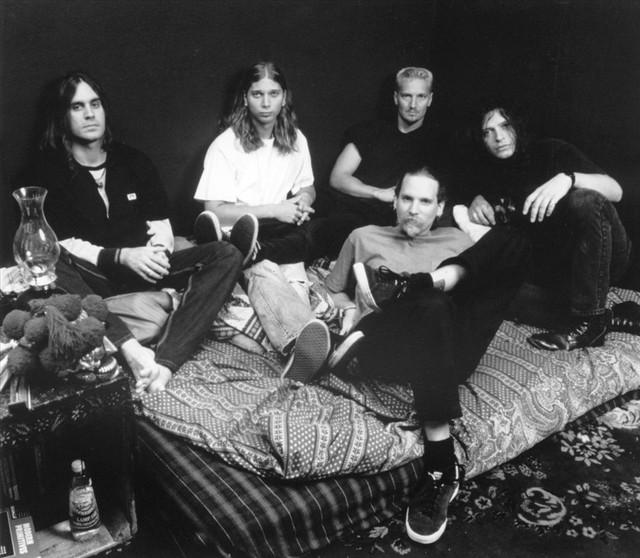
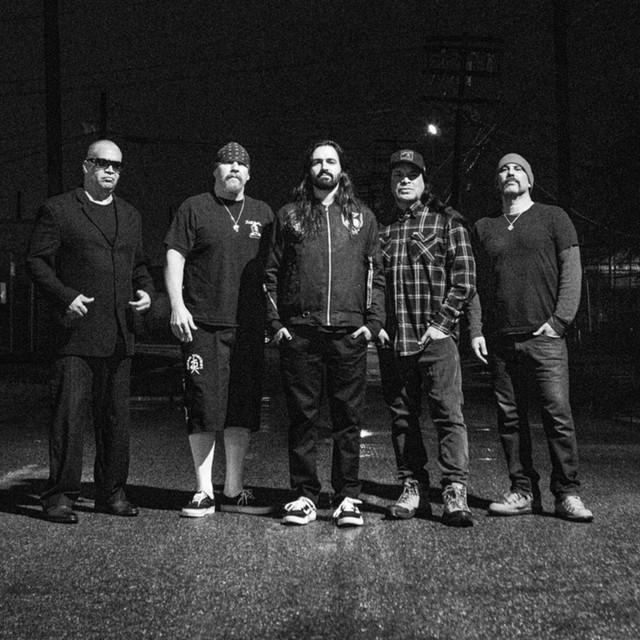
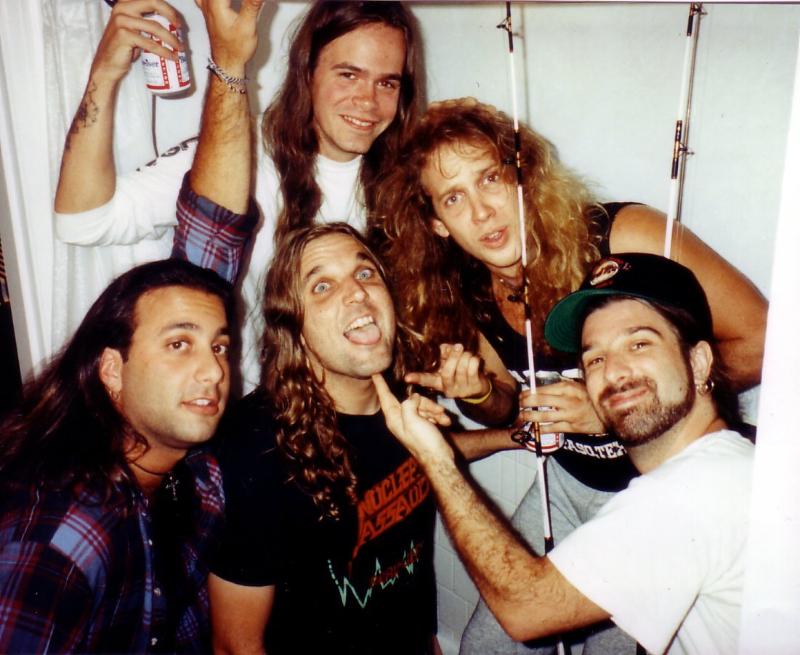
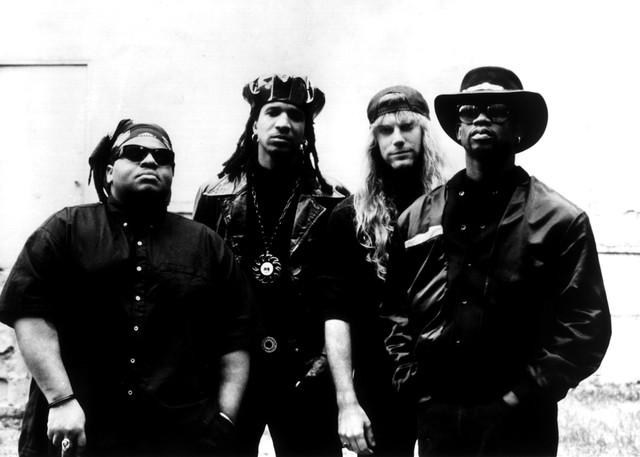
24-7 Spyz’s Spotify BioNew York City group 24-7 Spyz specializes in a merger of funk and heavy metal, with message-filled lyrics and an unstoppable energy. They broke out in the early '90s as part of a wave of alternative rock bands who surfed genres without a second thought, and ended up making a handful of successful albums, like 1992's Strength in Numbers, for a major label. Trouble keeping a steady lineup led to the band breaking up and re-forming many times in the years to follow, but they kept making music that stayed true to their founding spirit, like The Soundtrack to the Innermost Galaxy, released in 2019.
The group initially formed around guitarist Jimi Hazel (whose name is derived from two of his favorite guitarists -- Jimi Hendrix and Funkadelic's Eddie Hazel) and bassist Rick Skatore. Hailing from New York City (the Bronx, to be exact), the group issued its debut full-length, Harder Than You, in 1988 on the In-Effect label. The album -- which included vocal contributions from singer P. Fluid --… received some MTV attention with a cover of Kool & the Gang's "Jungle Boogie." Released in 1990, Gumbo Millennium saw the group perfect its multi-genre-encompassing sound even further and amass a larger audience when they opened for Jane's Addiction on tour in support of Ritual de lo Habitual.
Success aside, Fluid exited the band at the end of the tour (along with drummer Anthony Johnson), but Hazel and Skatore regrouped with new singer Jeff Brodnax and drummer Joel Maitoza, resulting in two more successful releases, the 1991 EP This Is...24-7 Spyz! and the 1992 full-length Strength in Numbers -- both of which were issued on major-label East West. In 1995 the Harder Than You lineup reunited for a new album, Temporarily Disconnected, before further lineup hiccups occurred. Eventually, Hazel decided to do double duty -- providing lead vocals in addition to guitar -- while drummers came and went. One more album was issued, 1996's Heavy Metal Soul by the Pound (titled simply 6 in Europe), before 24-7 Spyz went into hibernation mode between 1998 and 2003, during which time Hazel released a solo album, 2002's 21stCenturySouthBronxRockStar. Hazel and Skatore eventually resuscitated the group, issuing their first-ever live album (recorded in 1998), Can You Hear the Sound?, as well as an all-new studio set, Face the Day, in 2006. The band broke up again not long after, and Hazel and Skatore formed a new group called A.N.M. They stuck to that path for a few years but the pull of 24-7 Spyz proved too strong and they re-formed once again, with what turned out to be a rotating cast of musicians. They toured and then went on hiatus in 2014, returning in 2016 with the song "Anthem." Three years later, The Soundtrack to the Innermost Galaxy was released. Plans for an accompanying tour were derailed by COVID-19, but the band stayed the course and issued a single, "Angels & Demons," in 2022. ~ Greg Prato & Tim Sendra
Viberate is a music analytics platform built for A&Rs, artist managers, labels, booking agents, marketers, and artists.
It helps music professionals track artist growth, analyze audience data, monitor playlist activity, compare artists, follow song performance, and identify opportunities across the music market.
Public artist pages provide a free preview of selected artist data. Paid plans provide access to deeper analytics, historical data, charts, comparisons, playlist tools, exports, alerts, reports, and additional professional features.
Yes. Public Viberate artist pages provide selected artist analytics and music data for free.
Viberate also offers a 7-day free trial of the full platform. A credit card is required to start the trial. The trial includes access to the complete product so users can test deeper artist analytics, historical views, playlist insights, comparisons, charts, exports, alerts, and reporting features before choosing a paid plan.
Viberate provides artist analytics across streaming, playlists, social media, video, radio airplay, songs, and audience markets.
Users can analyze Spotify performance, Spotify and Apple Music playlists, YouTube activity, TikTok and Instagram growth, radio spins, song performance, audience locations, demographics, rankings, and overall artist momentum.
Artist profiles also connect to music charts, similar artists, and comparison tools, helping users benchmark performance and evaluate artists in context.
Viberate updates key artist and track data daily.
For followed artists and tracks, selected data is refreshed multiple times per day. This helps teams monitor playlist changes, streaming movement, audience growth, releases, and campaign performance with more current data.
Update frequency can vary depending on the metric and data source.
Yes. Viberate lets users compare up to five artists side by side across streaming, social media, audience, and engagement metrics.
Users can compare fanbase growth, audience demographics, locations, Spotify performance, social metrics, and other artist data over selected time periods.
Artist comparison can be used for A&R scouting, benchmarking, booking decisions, campaign planning, and evaluating artists with similar audiences or market positions.