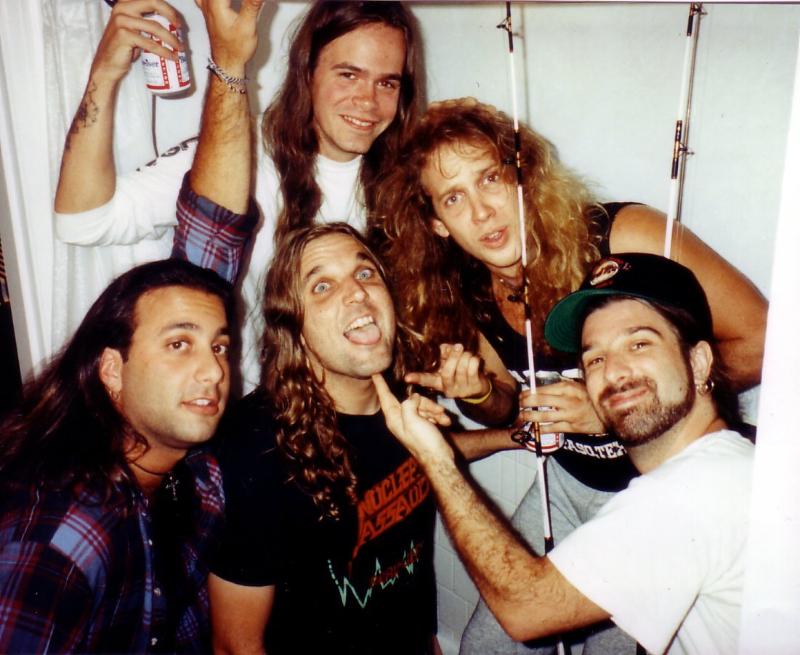
Infectious Grooves

Rock
Funk Rock
Alternative Metal
 Viberate Rank: 63176
 Viberate Rank: 63176
 Monthly ListenersFollowers
 Subscribers
 Followers
 Followers
 FansTop Spotify Songs
| Track | 7-Day Streams | |
|---|---|---|
1 | 17.89K | |
2 | 6.74K | |
3 | 6.01K | |
4 | 5.33K | |
5 | 3.91K |
Top YouTube VideosMonthly ListenersFeatured in Playlists| Playlist | Followers | |
|---|---|---|
1 |  90s Metal Classics Spotify | 1.47M |
2 |  Funk Rock Spotify | 472.14K |
3 | GRUNGE zerubi | 80.90K |
4 |  The Sound of Everything The Sounds of Spotify | 53.81K |
5 |  Best Bass Guitar Riffs Allan Mcwatt | 20.14K |
Audience| City | Monthly Listeners | |
|---|---|---|
1 |  | 2.25K |
2 |  | 1.52K |
3 |  | 1.11K |
4 |  | 950 |
5 | | 879 |
See full performance history, audience data, playlist activity, rankings, comparisons, and more in Viberate music analytics. Start with a free trial, then continue with a paid plan.
Infectious Grooves’ Spotify BioInfectious Grooves is a funk-metal supergroup with ties to Suicidal Tendencies, Faith No More, Metallica, Jane's Addiction, and Avenged Sevenfold, among others. Founded in 1989 by Suicidal Tendencies frontman Mike Muir, the band issued their Billboard-charting debut album, The Plague That Makes Your Booty Move... It's the Infectious Grooves, in 1991. The Grooves went on hiatus after the release of 1999's Mas Borracho but reunited in 2013 for a series of live shows. They returned to the studio in 2020 and released the EP Take You on a Ride.
Infectious Grooves was founded by the Suicidal Tendencies duo of vocalist Mike Muir and bassist Robert Trujillo, with guitarists Adam Siegel (Excel) and Dean Pleasants, and Jane’s Addiction drummer Stephen Perkins. The project was given equal status as Suicidal Tendencies, and the two bands often toured together, necessitating two exhausting sets per night for the pair. Their 1991 debut, The Plague That Makes Your Booty Move... It's the Infectious… Grooves, established an entirely different sound from the parent band, with a heavy, Red Hot Chili Peppers-style funk attack, with Muir, for once, producing lighter and more comedic lyrical fare. Standout track "Therapy" featured guest backing vocals from Ozzy Osbourne, who punctuated Muir's vocals with gleeful, manic roars of the title over furious riffing and a potent Trujillo-Perkins rhythm. Perkins left for Porno for Pyros the following year, and Josh Freese stepped in on Sarsippius' Ark, an odd collection of previously unreleased songs, live takes, cover versions, and new numbers, with spoken interjections from a "Sarsippius" character. Groove Family Cyco was a more conventional set of new material in the same hard funk vein, with Muir taking a satirical lyrical swipe at Rage Against the Machine on "Do What I Tell Ya!", while adopting his more customary serious lyrical slant. The industrious Muir also formed a punk band, My Head, with Siegel, before returning to Infectious Grooves in 1999 for their fourth album Mas Borracho.
Infectious Grooves went on hiatus shortly after the album's release but reformed in 2013 as a live entity. In 2020 the band released the EP Take You on a Ride, which compiled three previously unreleased tracks from 1995 and the bruising title cut, which was their first newly recorded song in two decades. ~ James Christopher Monger, Rovi
Viberate is a music analytics platform built for A&Rs, artist managers, labels, booking agents, marketers, and artists.
It helps music professionals track artist growth, analyze audience data, monitor playlist activity, compare artists, follow song performance, and identify opportunities across the music market.
Public artist pages provide a free preview of selected artist data. Paid plans provide access to deeper analytics, historical data, charts, comparisons, playlist tools, exports, alerts, reports, and additional professional features.
Yes. Public Viberate artist pages provide selected artist analytics and music data for free.
Viberate also offers a 7-day free trial of the full platform. A credit card is required to start the trial. The trial includes access to the complete product so users can test deeper artist analytics, historical views, playlist insights, comparisons, charts, exports, alerts, and reporting features before choosing a paid plan.
Viberate provides artist analytics across streaming, playlists, social media, video, radio airplay, songs, and audience markets.
Users can analyze Spotify performance, Spotify and Apple Music playlists, YouTube activity, TikTok and Instagram growth, radio spins, song performance, audience locations, demographics, rankings, and overall artist momentum.
Artist profiles also connect to music charts, similar artists, and comparison tools, helping users benchmark performance and evaluate artists in context.
Viberate updates key artist and track data daily.
For followed artists and tracks, selected data is refreshed multiple times per day. This helps teams monitor playlist changes, streaming movement, audience growth, releases, and campaign performance with more current data.
Update frequency can vary depending on the metric and data source.
Yes. Viberate lets users compare up to five artists side by side across streaming, social media, audience, and engagement metrics.
Users can compare fanbase growth, audience demographics, locations, Spotify performance, social metrics, and other artist data over selected time periods.
Artist comparison can be used for A&R scouting, benchmarking, booking decisions, campaign planning, and evaluating artists with similar audiences or market positions.