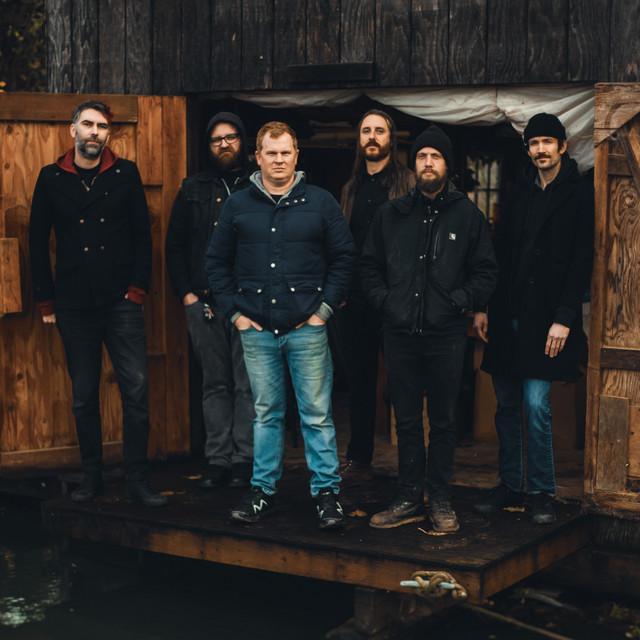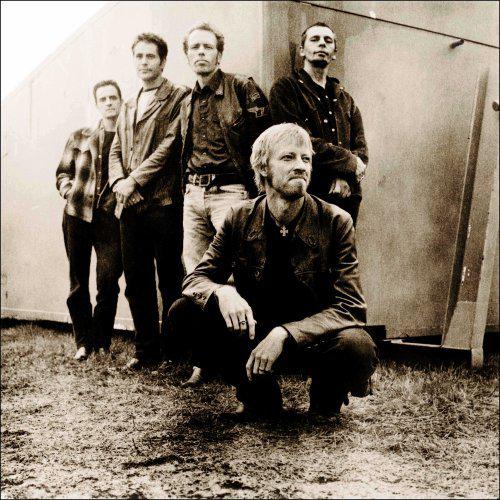
16 Horsepower

Country
Americana/Alt Country
 Viberate Rank: 72767
 Viberate Rank: 72767
 Monthly ListenersFollowers
 Subscribers
 Followers
 Followers
 FansTop Spotify Songs
| Track | 7-Day Streams | |
|---|---|---|
1 | 14.42K | |
2 | 6.74K | |
3 | 6.54K | |
4 | 5.97K | |
5 | 5.95K |
Top YouTube Videos| Video | 7-Day Views | |
|---|---|---|
1 | 4.79K | |
2 | 2.74K |
Monthly ListenersFeatured in Playlists| Playlist | Followers | |
|---|---|---|
1 |  La Casa de Papel and Berlin Official Playlist Spotify | 459.97K |
2 |  Fidi & Bumsi Spotify | 353.23K |
3 |  Spooky Banjo Time Pawns or Kings | 213.07K |
4 |  00s Indie Folk Spotify | 127.73K |
5 |  Alt Country Classics Spotify | 117.59K |
Audience| City | Monthly Listeners | |
|---|---|---|
1 |  | 2.40K |
2 |  | 1.49K |
3 |  | 1.26K |
4 |  | 1.15K |
5 |  | 1.12K |
See full performance history, audience data, playlist activity, rankings, comparisons, and more in Viberate music analytics. Start with a free trial, then continue with a paid plan.
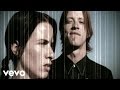
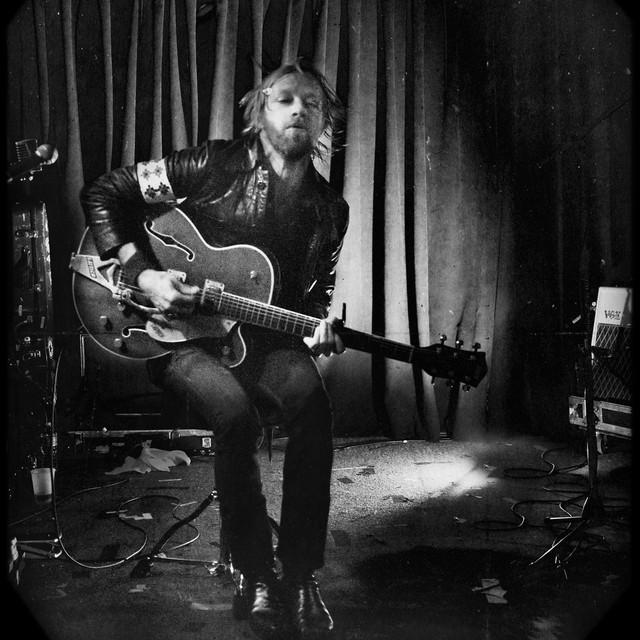
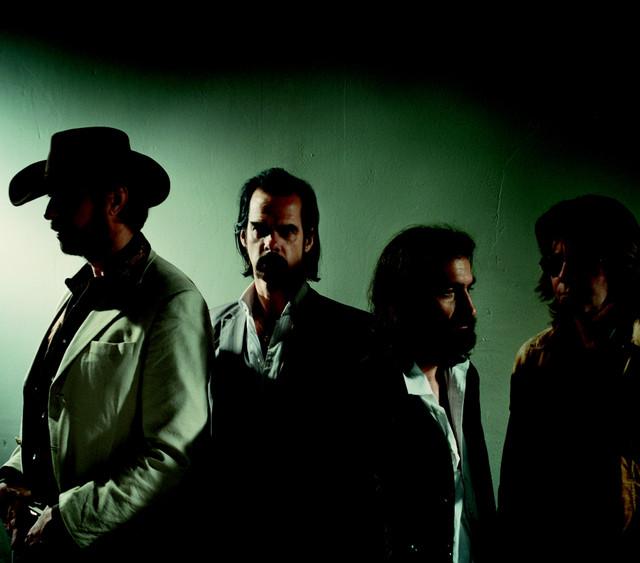
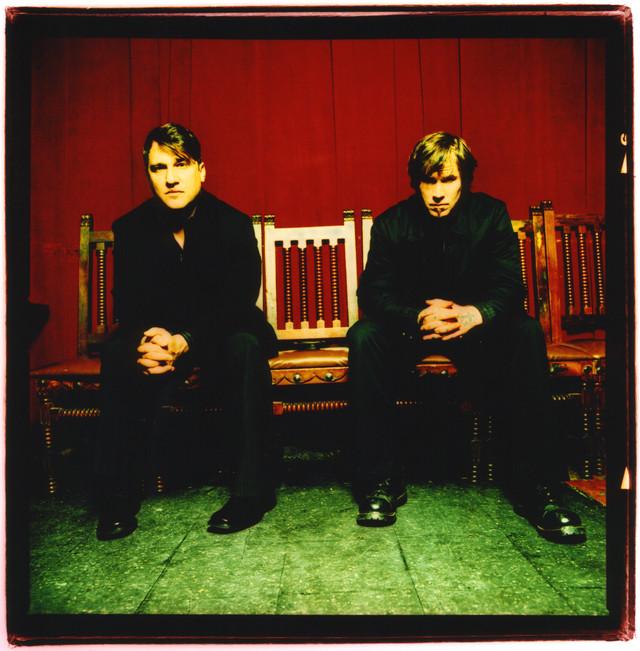
16 Horsepower’s Spotify Bio16 Horsepower were a Denver-based alternative country band that revolved around the unique songwriting and singing of David Eugene Edwards. The band made its name with music that combined rural backwoods kitsch with edgy, off-kilter country-rock. Teaming up with drummer Jean-Yves Tola and bassist Pascal Humbert in the band's original lineup, Edwards lost the latter member when the band relocated to Denver from California, adding Keven Soll to the roster instead. The group's eponymous debut EP was released in 1995 on A&M Records and was followed a year later by the Sackcloth 'n' Ashes full-length, which featured a cameo from Gordon Gano (Violent Femmes) on fiddle.
Although Soll eventually left the band, Humbert returned to the fold in 1997, along with new guitarist Jeffrey Paul Norlander. PJ Harvey collaborator John Parish was drafted to produce the band's newest effort, and Low Estate appeared in early 1998. Secret South arrived two years later and was followed by a well-deserved break… from recording. Guitarist Steve Taylor had joined the lineup before this point, his arrival coinciding with Norlander's departure. The live document Hoarse, released in spring 2001, marked the band's first release for the new millennium. One year later, the original trio got back together with Taylor and began writing and recording Folklore, which was released that summer through the New York-based indie label Jet Set.
A year later, Jet Set issued Olden, which collected 12 previously unreleased demo/alternate versions of classic 16HP material; six live tracks culled from a 1994 date in Denver; and two band interviews. It was followed in January 2011 by Yours Truly, a 25-track retrospective that featured a collection of 12 "popular favorites," all of which were chosen by fans via an online survey, as well as a second disc that included 13 B-sides and rarities. ~ Stephen Thomas Erlewine & Bradley Torreano, Rovi
Viberate is a music analytics platform built for A&Rs, artist managers, labels, booking agents, marketers, and artists.
It helps music professionals track artist growth, analyze audience data, monitor playlist activity, compare artists, follow song performance, and identify opportunities across the music market.
Public artist pages provide a free preview of selected artist data. Paid plans provide access to deeper analytics, historical data, charts, comparisons, playlist tools, exports, alerts, reports, and additional professional features.
Yes. Public Viberate artist pages provide selected artist analytics and music data for free.
Viberate also offers a 7-day free trial of the full platform. A credit card is required to start the trial. The trial includes access to the complete product so users can test deeper artist analytics, historical views, playlist insights, comparisons, charts, exports, alerts, and reporting features before choosing a paid plan.
Viberate provides artist analytics across streaming, playlists, social media, video, radio airplay, songs, and audience markets.
Users can analyze Spotify performance, Spotify and Apple Music playlists, YouTube activity, TikTok and Instagram growth, radio spins, song performance, audience locations, demographics, rankings, and overall artist momentum.
Artist profiles also connect to music charts, similar artists, and comparison tools, helping users benchmark performance and evaluate artists in context.
Viberate updates key artist and track data daily.
For followed artists and tracks, selected data is refreshed multiple times per day. This helps teams monitor playlist changes, streaming movement, audience growth, releases, and campaign performance with more current data.
Update frequency can vary depending on the metric and data source.
Yes. Viberate lets users compare up to five artists side by side across streaming, social media, audience, and engagement metrics.
Users can compare fanbase growth, audience demographics, locations, Spotify performance, social metrics, and other artist data over selected time periods.
Artist comparison can be used for A&R scouting, benchmarking, booking decisions, campaign planning, and evaluating artists with similar audiences or market positions.