Zuzu Bollin

Blues
Classic Blues
Contemporary Blues
 Viberate Rank: 420915
 Viberate Rank: 420915
 Monthly ListenersFollowers
 Subscribers
 Followers
 Followers
 FansTop Spotify Songs
| Track | 7-Day Streams | |
|---|---|---|
1 | 3.37K | |
2 | 184 | |
3 | 152 | |
4 | 54 | |
5 | 38 |
Top YouTube VideosMonthly ListenersFeatured in Playlists| Playlist | Followers | |
|---|---|---|
1 |  Lone Star Blues Spotify | 184.34K |
2 |  Don's Tunes | Blues & Jazz Playlist | Official Don's Tunes | 50.97K |
3 |  Ultimate Blues Playlist Marcus | 10.65K |
4 |  Theme Time Radio Hour Carraway | 4.59K |
5 | 40s, 50s, 60s Classic Blues mikevv1965 | 3.26K |
Audience| City | Monthly Listeners | |
|---|---|---|
1 |  | 109 |
2 |  | 105 |
3 | | 105 |
4 |  | 79 |
5 |  | 77 |
See full performance history, audience data, playlist activity, rankings, comparisons, and more in Viberate music analytics. Start with a free trial, then continue with a paid plan.
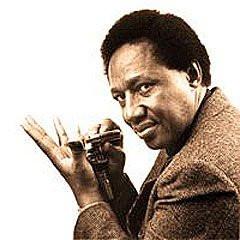
Zuzu Bollin’s Spotify BioTwo 78s in the early '50s and a 1989 rediscovery album don't add up to much of a recorded legacy. But Zuzu Bollin's contribution to the Texas blues legacy shouldn't be overlooked -- his T-Bone Walker-influenced sound typified postwar Lone Star blues guitar.
Born A.D. Bollin, Zuzu listened to everyone from Blind Lemon Jefferson and Leroy Carr (on records) to Joe Turner and Count Basie. He picked up his nickname while in the band of Texan E.X. Brooks; seems he had a sweet tooth for a brand of ginger snap cookies called ZuZus. Bollin formed his own combo in 1949, featuring young saxist David "Fathead" Newman. After a stint with Percy Mayfield's band, Bollin resumed playing around Dallas. In late 1951, he made his recording debut for Bob Sutton's Torch logo. Newman and saxist Leroy Cooper, both future members of Ray Charles' band, played on Bollin's "Why Don't You Eat Where You Slept Last Night" and "Headlight Blues." A Torch follow-up, "Stavin' Chain"/"Cry, Cry, Cry," found Bollin backed… by Jimmy McCracklin's combo.
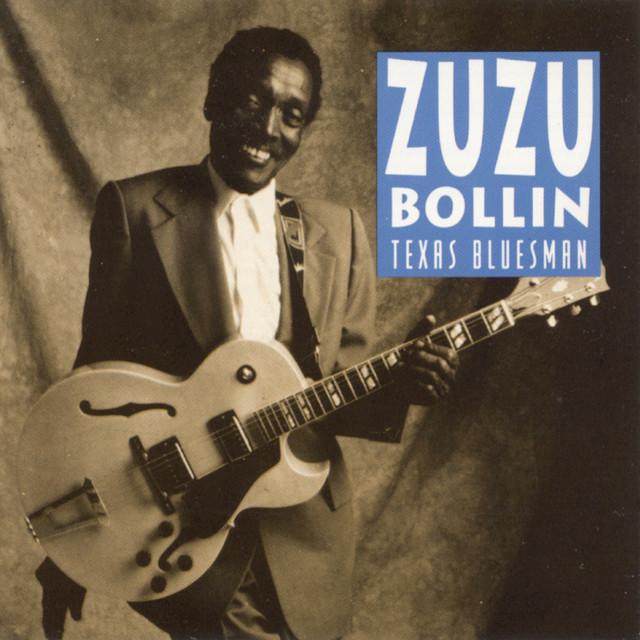
No more recording ensued after that, though Bollin toured with bandleaders Ernie Fields and Joe Morris before chucking the music biz in 1964 to go into a more stable profession: dry cleaning. Bollin's 1987 rediscovery was the Dallas Blues Society's doing: they engineered a series of gigs and eventually a fine 1989 album, Texas Bluesman, that beautifully showcased Bollin's approach. Their efforts were barely in time -- Bollin died in 1990. ~ Bill Dahl, Rovi
Viberate is a music analytics platform built for A&Rs, artist managers, labels, booking agents, marketers, and artists.
It helps music professionals track artist growth, analyze audience data, monitor playlist activity, compare artists, follow song performance, and identify opportunities across the music market.
Public artist pages provide a free preview of selected artist data. Paid plans provide access to deeper analytics, historical data, charts, comparisons, playlist tools, exports, alerts, reports, and additional professional features.
Yes. Public Viberate artist pages provide selected artist analytics and music data for free.
Viberate also offers a 7-day free trial of the full platform. A credit card is required to start the trial. The trial includes access to the complete product so users can test deeper artist analytics, historical views, playlist insights, comparisons, charts, exports, alerts, and reporting features before choosing a paid plan.
Viberate provides artist analytics across streaming, playlists, social media, video, radio airplay, songs, and audience markets.
Users can analyze Spotify performance, Spotify and Apple Music playlists, YouTube activity, TikTok and Instagram growth, radio spins, song performance, audience locations, demographics, rankings, and overall artist momentum.
Artist profiles also connect to music charts, similar artists, and comparison tools, helping users benchmark performance and evaluate artists in context.
Viberate updates key artist and track data daily.
For followed artists and tracks, selected data is refreshed multiple times per day. This helps teams monitor playlist changes, streaming movement, audience growth, releases, and campaign performance with more current data.
Update frequency can vary depending on the metric and data source.
Yes. Viberate lets users compare up to five artists side by side across streaming, social media, audience, and engagement metrics.
Users can compare fanbase growth, audience demographics, locations, Spotify performance, social metrics, and other artist data over selected time periods.
Artist comparison can be used for A&R scouting, benchmarking, booking decisions, campaign planning, and evaluating artists with similar audiences or market positions.