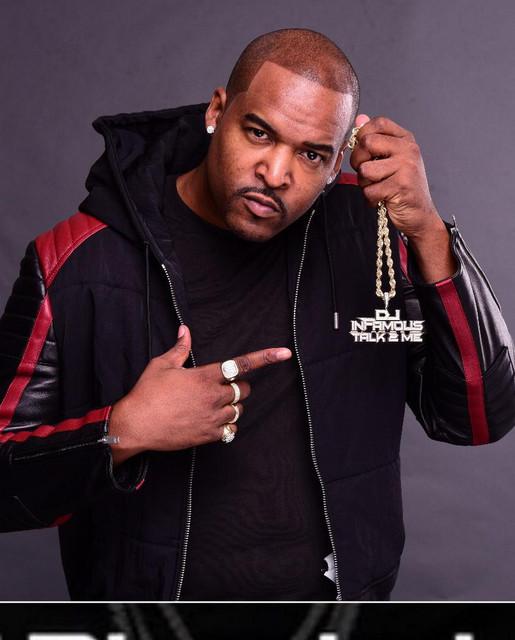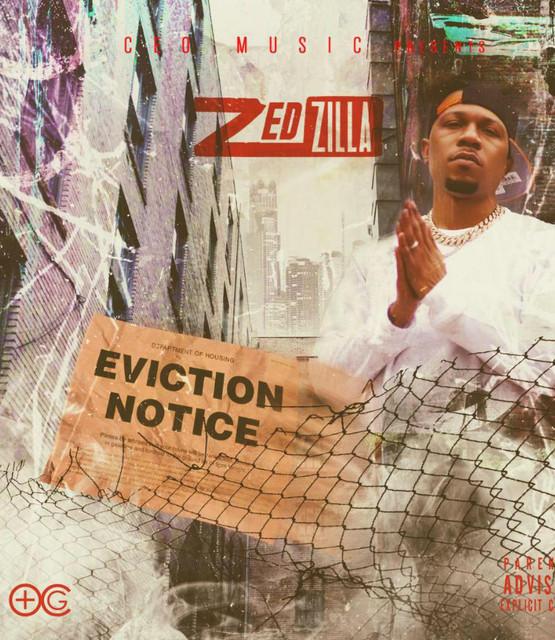
Zed Zilla

Hip Hop
Contemporary Hip Hop
Trap
 Viberate Rank: 84678
 Viberate Rank: 84678
 Monthly ListenersFollowers
 Subscribers
 Followers
 Followers
 FansTop Spotify Songs
| Track | 7-Day Streams | |
|---|---|---|
1 | 13.52K | |
2 | 7.61K | |
3 | 5.41K | |
4 | 5.28K | |
5 | 4.64K |
Top YouTube Videos| Video | 7-Day Views | |
|---|---|---|
1 | 13.71K | |
2 | 795 | |
3 | 684 | |
4 | 498 | |
5 | 464 |
Monthly ListenersFeatured in Playlists| Playlist | Followers | |
|---|---|---|
1 |  Filet Flows Rap Playlist 2022 Cody Lucero | 139.26K |
2 | NOLA BOUNCE MUSICCCC CAMIIII<3 | 55.05K |
3 |  This Is Yo Gotti Spotify | 33.80K |
4 |  Todays Hip Hop and R&B Hits Terrelle Smith | 18.95K |
5 | Line Dances & Club Bangger 22huvhvcqugxs5gk3ul2h6qdi | 15.05K |
Audience| City | Monthly Listeners | |
|---|---|---|
1 | | 3.60K |
2 | | 3.56K |
3 | | 3.28K |
4 | | 3.25K |
5 | | 2.77K |
See full performance history, audience data, playlist activity, rankings, comparisons, and more in Viberate music analytics. Start with a free trial, then continue with a paid plan.
Zed Zilla’s Spotify BioZed Zilla is a hard-working rapper from Memphis whose style ranges from relentless trap bangers to more sensitive, introspective material. He's released a string of mixtapes and singles beginning with 2003's Da Franchise, and has recorded extensively with Yo Gotti and associates of his CMG label, including Snootie Wild and Blac Youngsta.
So named for his fierce, Godzilla-like rhyming style, Zed Zilla began rapping at the age of 15, when he was credited as Lil Zed. Yo Gotti became Zed's mentor, and he began releasing mixtapes on Open Mouth Entertainment, including 2003's Da Franchise and 2004's Da Franchise 2. Affiliated with Gotti's CMG (initially Cocaine Muzik Group, later Collective Music Group), Zed released a series of Rent's Due mixtapes on the label beginning in 2011, in addition to appearing on numerous Gotti projects. However, a rift between the two began to occur after Zed recorded a song with Young Dolph, Gotti's enemy. Mainly recording independently since 2015, Zed addressed… the situation between Gotti and him with the sorrowful 2017 single "Shoulder to Lean On." His subsequent singles have included 2018's club track "Shake Dat Ass" (with Jucee Froot) and 2019's "Who Knows." ~ Paul Simpson
Viberate is a music analytics platform built for A&Rs, artist managers, labels, booking agents, marketers, and artists.
It helps music professionals track artist growth, analyze audience data, monitor playlist activity, compare artists, follow song performance, and identify opportunities across the music market.
Public artist pages provide a free preview of selected artist data. Paid plans provide access to deeper analytics, historical data, charts, comparisons, playlist tools, exports, alerts, reports, and additional professional features.
Yes. Public Viberate artist pages provide selected artist analytics and music data for free.
Viberate also offers a 7-day free trial of the full platform. A credit card is required to start the trial. The trial includes access to the complete product so users can test deeper artist analytics, historical views, playlist insights, comparisons, charts, exports, alerts, and reporting features before choosing a paid plan.
Viberate provides artist analytics across streaming, playlists, social media, video, radio airplay, songs, and audience markets.
Users can analyze Spotify performance, Spotify and Apple Music playlists, YouTube activity, TikTok and Instagram growth, radio spins, song performance, audience locations, demographics, rankings, and overall artist momentum.
Artist profiles also connect to music charts, similar artists, and comparison tools, helping users benchmark performance and evaluate artists in context.
Viberate updates key artist and track data daily.
For followed artists and tracks, selected data is refreshed multiple times per day. This helps teams monitor playlist changes, streaming movement, audience growth, releases, and campaign performance with more current data.
Update frequency can vary depending on the metric and data source.
Yes. Viberate lets users compare up to five artists side by side across streaming, social media, audience, and engagement metrics.
Users can compare fanbase growth, audience demographics, locations, Spotify performance, social metrics, and other artist data over selected time periods.
Artist comparison can be used for A&R scouting, benchmarking, booking decisions, campaign planning, and evaluating artists with similar audiences or market positions.