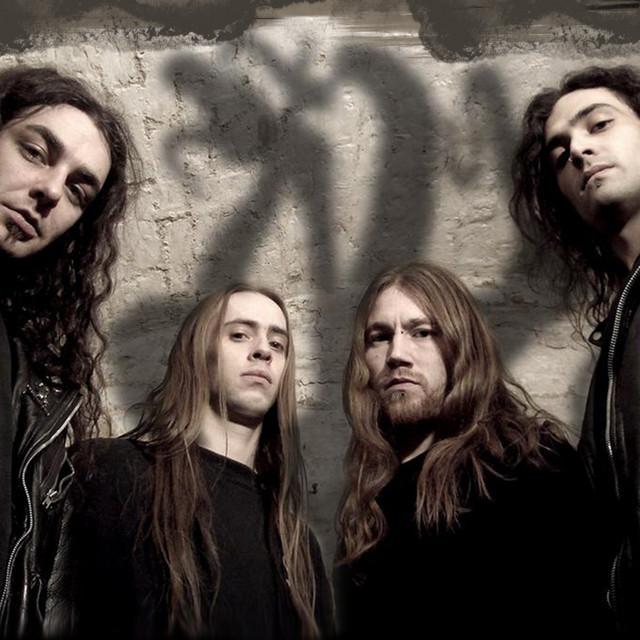
Yyrkoon

Metal
Death Metal
Thrash Metal
 Viberate Rank: 393574
 Viberate Rank: 393574
 Monthly ListenersFollowers
 Subscribers
 Followers
 Followers
 FansTop Spotify Songs
| Track | 7-Day Streams | |
|---|---|---|
1 | 64 | |
2 | 38 | |
3 | 35 | |
4 | 34 | |
5 | 27 |
Top YouTube VideosMonthly ListenersFeatured in Playlists| Playlist | Followers | |
|---|---|---|
1 |  Black/Death/Trash Metal Leeloki | 2.69K |
2 |  2000s Death Metal Loudwire | 2.53K |
3 |  100% French Metal Dr. Metal Florida | 1.23K |
4 | Instrumental SPEED Metal Matthew Hodgman | 1.22K |
5 | France, Metal français, french metal 🇫🇷 Lahire | 1.08K |
Audience| City | Monthly Listeners | |
|---|---|---|
1 |  | 8 |
2 |  | 8 |
3 |  | 7 |
4 |  | 7 |
5 |  | 6 |
See full performance history, audience data, playlist activity, rankings, comparisons, and more in Viberate music analytics. Start with a free trial, then continue with a paid plan.
Yyrkoon’s Spotify BioOriginally started in 1995 as a melodic death metal band, France's Yyrkoon (so named after an obscure character in Michael Moorcock's Eliric series) have experimented with a number of different metallic styles over the course of their still developing career. At first, the band brought an ambient dark/black metal sound to 1996's Oath, Obscure, Occult demo and 1998's Oniric Transition debut album; but problems with their record label effectively iced their career until 2000, when a three-track EP called Forgotten Past finally succeeded in securing a new deal with Anvil Records. By then, Yyrkoon's sound was best described as thrash-fueled progressive metal topped with fantasy and terror-inspired lyrical concepts and could be heard on their second album, Dying Sun, in 2002. This active period served to solidify the group's lineup as Stéphane Souteryand (vocals/guitar/keys), François Falempin (guitar), Voctproen Vilchez (bass), Geoffrey Gautier (guitar/keyboards), and Laurent Harrouar… (drums), if not their musical direction, which shifted radically once again for their Osomose Productions debut, Occult Medicine, in 2004. Most any signs of gothic and dark metal ambience were now gone (as were the rather superfluous keyboards), and in their place left ever-greater aggression and a crushingly thick death/thrash metal assault. Surprisingly, these tendencies remained relatively unchanged for the band's fifth album, Unhealthy Opera, also released by Osmose in 2006. ~ Eduardo Rivadavia, Rovi
Viberate is a music analytics platform built for A&Rs, artist managers, labels, booking agents, marketers, and artists.
It helps music professionals track artist growth, analyze audience data, monitor playlist activity, compare artists, follow song performance, and identify opportunities across the music market.
Public artist pages provide a free preview of selected artist data. Paid plans provide access to deeper analytics, historical data, charts, comparisons, playlist tools, exports, alerts, reports, and additional professional features.
Yes. Public Viberate artist pages provide selected artist analytics and music data for free.
Viberate also offers a 7-day free trial of the full platform. A credit card is required to start the trial. The trial includes access to the complete product so users can test deeper artist analytics, historical views, playlist insights, comparisons, charts, exports, alerts, and reporting features before choosing a paid plan.
Viberate provides artist analytics across streaming, playlists, social media, video, radio airplay, songs, and audience markets.
Users can analyze Spotify performance, Spotify and Apple Music playlists, YouTube activity, TikTok and Instagram growth, radio spins, song performance, audience locations, demographics, rankings, and overall artist momentum.
Artist profiles also connect to music charts, similar artists, and comparison tools, helping users benchmark performance and evaluate artists in context.
Viberate updates key artist and track data daily.
For followed artists and tracks, selected data is refreshed multiple times per day. This helps teams monitor playlist changes, streaming movement, audience growth, releases, and campaign performance with more current data.
Update frequency can vary depending on the metric and data source.
Yes. Viberate lets users compare up to five artists side by side across streaming, social media, audience, and engagement metrics.
Users can compare fanbase growth, audience demographics, locations, Spotify performance, social metrics, and other artist data over selected time periods.
Artist comparison can be used for A&R scouting, benchmarking, booking decisions, campaign planning, and evaluating artists with similar audiences or market positions.