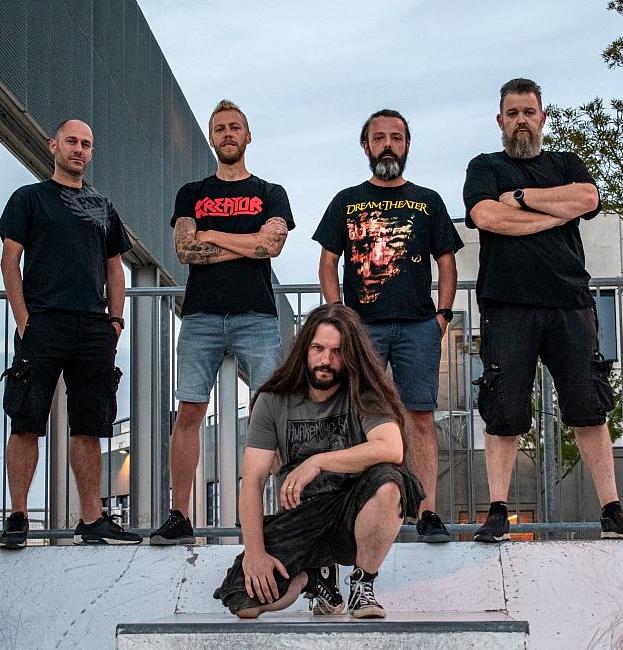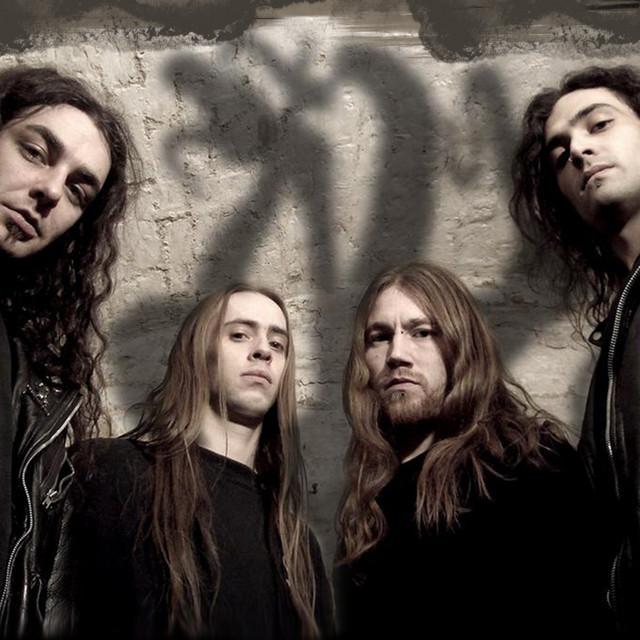
Nonexist

Metal
Death Metal
Thrash Metal
 Viberate Rank: 516075
 Viberate Rank: 516075
 Monthly ListenersFollowers
 Subscribers
 Followers
 Followers
 FansTop Spotify Songs
| Track | 7-Day Streams | |
|---|---|---|
1 | 39 | |
2 | 24 | |
3 | 19 | |
4 | 18 | |
5 | 17 |
Top YouTube VideosMonthly ListenersFeatured in Playlists| Playlist | Followers | |
|---|---|---|
1 | MelodicDeathMetal jan_dyke | 2.13K |
2 |  MELODEATH 🤟MELODIC DEATH METAL 🤟 METAL PLAYLISTS 🤟 | 1.05K |
Audience| City | Monthly Listeners | |
|---|---|---|
1 |  | 9 |
2 |  | 6 |
3 |  | 4 |
4 |  | 4 |
5 |  | 3 |
See full performance history, audience data, playlist activity, rankings, comparisons, and more in Viberate music analytics. Start with a free trial, then continue with a paid plan.
Nonexist’s Spotify BioThe origins of Sweden's Nonexist date back to 2000 when Arch Enemy vocalist Johan Liiva (also of Carnage and Furbowl) decided to exit the band and form a metal outfit of his own after the release of Burning Bridges. Hotshot guitarist Johan Reinholdz of Andromeda was brought on to form the creative core of Nonexist. Reinholdz and Liiva began writing the material for their debut, and soon drummer Matte Modin (a veteran with discs from Defleshed and Dark Funeral to his credit) was brought on to finish the new band's recording lineup. The very talented and versatile Reinholdz made the recruitment of a bass player unnecessary, as the musician prepared to pull double instrumental duty in the recording studio. The group recorded their debut Deus Deceptor for New Hawen records (and Century Media in the North America) with producer Tommy Tägtgren (who has worked with many outstanding European metal outfits including Marduk, the Forsaken, Skyfire and Electric Hellfire Club) and this initial… offering was issued worldwide in May of 2002. The real surprise of Deus Deceptor is the performance of Reinholdz who delivers some fine progressive death metal riffs and arrangements, especially on the release's two instrumental selections. Liiva and Modin do a fine job, but despite Liive's leadership position, it's Reinholdz who shines the brightest. The riffs on Deus Deceptor are absolutely huge, first-rate examples twenty-first century melodic death metal, and Tägtgren captures some of the best sounds of his career, yet the music didn't quite matches up with Andromeda and Arch Enemy. This is probably due to the lack of experience the members had working as a unit. The talent of everyone involved still could not be denied, and many followers of the Swedish metal scene anxiously awaited news about the future of the group. In addition to Reiholdz's and Modin's continuing commitments with other acts, Liive himself had yet another side project, Hearse, that had the potential to draw his attention away from the more promising Nonexist. Arch Enemy fans and reviewers in general received Nonexist warmly, but without a tremendous amount of enthusiasm, and commitments by all three members, and the lack of a touring lineup prevented the group from giving the project all the support and attention necessary to fulfill the outfit's potential. Rumors continued through 2002 about the addition of a bass player (Liive had fulfilled that duty with Arch Enemy but the vocalist declined to fill that slot in Nonexist) and second guitarist, but the group failed to put together a lineup during the spring and summer. ~ Vincent Jeffries, Rovi
Viberate is a music analytics platform built for A&Rs, artist managers, labels, booking agents, marketers, and artists.
It helps music professionals track artist growth, analyze audience data, monitor playlist activity, compare artists, follow song performance, and identify opportunities across the music market.
Public artist pages provide a free preview of selected artist data. Paid plans provide access to deeper analytics, historical data, charts, comparisons, playlist tools, exports, alerts, reports, and additional professional features.
Yes. Public Viberate artist pages provide selected artist analytics and music data for free.
Viberate also offers a 7-day free trial of the full platform. A credit card is required to start the trial. The trial includes access to the complete product so users can test deeper artist analytics, historical views, playlist insights, comparisons, charts, exports, alerts, and reporting features before choosing a paid plan.
Viberate provides artist analytics across streaming, playlists, social media, video, radio airplay, songs, and audience markets.
Users can analyze Spotify performance, Spotify and Apple Music playlists, YouTube activity, TikTok and Instagram growth, radio spins, song performance, audience locations, demographics, rankings, and overall artist momentum.
Artist profiles also connect to music charts, similar artists, and comparison tools, helping users benchmark performance and evaluate artists in context.
Viberate updates key artist and track data daily.
For followed artists and tracks, selected data is refreshed multiple times per day. This helps teams monitor playlist changes, streaming movement, audience growth, releases, and campaign performance with more current data.
Update frequency can vary depending on the metric and data source.
Yes. Viberate lets users compare up to five artists side by side across streaming, social media, audience, and engagement metrics.
Users can compare fanbase growth, audience demographics, locations, Spotify performance, social metrics, and other artist data over selected time periods.
Artist comparison can be used for A&R scouting, benchmarking, booking decisions, campaign planning, and evaluating artists with similar audiences or market positions.