Yeah Yeah Noh

Rock
Alternative Rock
Indie Rock
 Viberate Rank: 556355
 Viberate Rank: 556355
 Monthly ListenersFollowers
 Subscribers
 Followers
 Followers
 FansTop Spotify Songs
| Track | 7-Day Streams | |
|---|---|---|
1 | 58 | |
2 | 31 | |
3 | 28 | |
4 | 28 | |
5 | 25 |
Top YouTube VideosMonthly ListenersFeatured in Playlists| Playlist | Followers | |
|---|---|---|
1 | Top 10,000 Songs of All Time Acclaimed Music | 9.19K |
2 |  NME C86, C87, C88, C89, C90 & C91: Indie Cassette Classics Cherry Red Records | 7.72K |
3 |  John Peel Festive 50s Anders Björk | 5.74K |
4 |  Jarvis Cocker's Sunday Service Anders Björk | 5.09K |
5 |  John Peel Festive 50s Complete! backseatmafia | 4.54K |
Audience| City | Monthly Listeners | |
|---|---|---|
1 | | 36 |
2 | | 21 |
3 |  | 15 |
4 | | 14 |
5 |  | 13 |
See full performance history, audience data, playlist activity, rankings, comparisons, and more in Viberate music analytics. Start with a free trial, then continue with a paid plan.
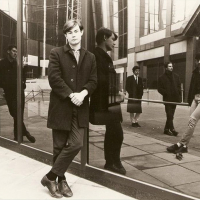
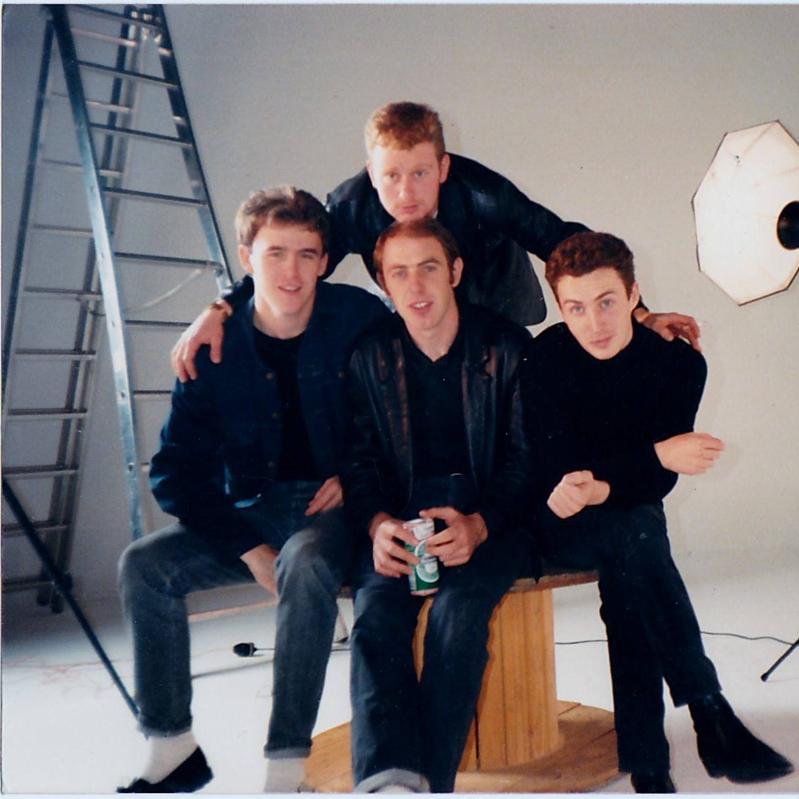
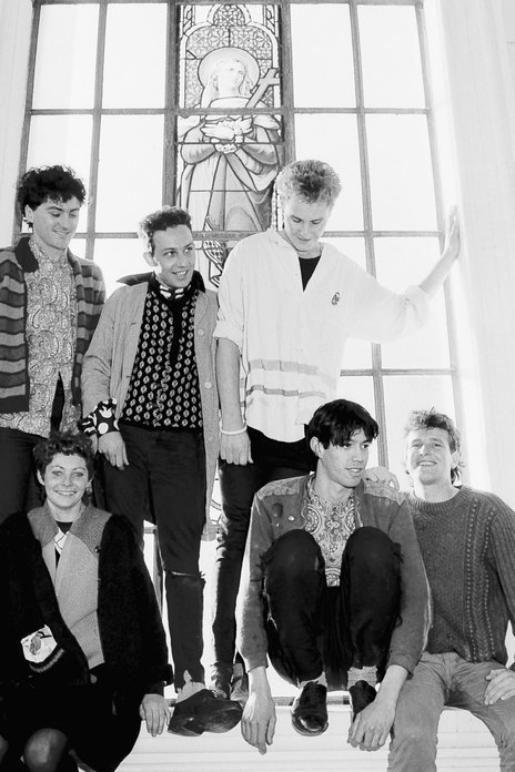
Yeah Yeah Noh’s Spotify BioFormed in Leicestershire in 1983 by vocalist Derek Hammond and guitarist John Grayland, this inventive post-punk act got a break when they caught the ear of BBC Radio 1's John Peel. Over the next two years, they recorded five singles and an album for Marc Riley's In Tape label -- as well as four sessions for Peel -- dabbling in psychedelia as their repertoire grew. The band split in 1986, despite becoming regulars on the U.K. indie chart. However, 2012 brought a re-formation at Grayland's 50th birthday party, which led to more gigs and 2015's Automatically Saturday.
Hammond and Grayland met in 1981 while working at an Oadby pub and instantly bonded over music. A student at Leicester Polytechnic, Grayland sometimes helped with events coordination, booking the Fall and playing in support acts to bands such as Soft Cell and the Thompson Twins. When Printhead, a fanzine he co-edited with Sue Dorey, began to gain momentum, they won a grant to press a compilation LP of local indie talent. The… resulting Let's Cut a Rug included "Bias Binding," a track by Hammond and Grayland under the Yeah Yeah Noh name. When Peel began to play it on national radio on an almost nightly basis, they decided it was time to put a proper band together.
The group's caustic and droll June 1984 debut, the Cottage Industry EP, featured Graham Summers of the Deep Freeze Mice on drums and Adrian Crossan on bass. However, by the time of their follow-up -- October's "Beware the Weakling Lines" -- Dorey had replaced Summers. February 1985 brought the Prick Up Your Ears EP before these first three releases were compiled on the mini-album When I Am a Big Girl. Next, Tom Slater joined as an additional guitarist, resulting in a more experimental, psychedelic sound as evinced on August's "Another Side to Mrs. Quill" and that year's full-length debut, Cutting the Heavenly Lawn of Greatness…Last Rites for the God of Love. Still, they weren't earning enough to make a living and when Grayland moved to London and Dorey emigrated to Egypt, in 1986 they disbanded. That year's collection of Peel sessions, Fun on the Lawn, Lawn, Lawn proved a fitting swan song, with Peel additionally issuing their final session on his own Strange Fruit label.
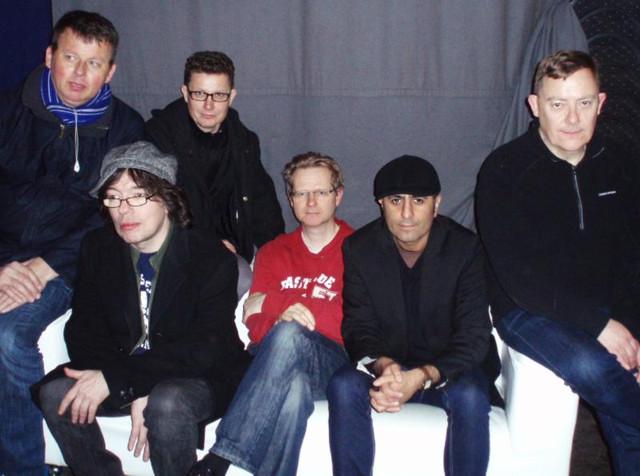
In the intervening years, Hammond became a writer, publishing a London travelogue and a compendium of football memorabilia. When the band regrouped in the summer of 2012 only Hammond, Grayland, and Slater appeared from their earlier incarnation, although bassist Dermot O'Sullivan had recorded with them in the '80s. Drummer Antony Cook and keyboard player Eva Landsberg completed the revised lineup, but the latter was soon replaced by Fi Hodgson. In 2013, after demoing new material, Yeah Yeah Noh were invited by their old label boss Riley to record a session for his BBC 6Music show. Then, in January 2014, sessions began for their second studio album, Automatically Saturday, which appeared the following year with cleaner production than anything they had previously issued. ~ James Wilkinson, Rovi
Viberate is a music analytics platform built for A&Rs, artist managers, labels, booking agents, marketers, and artists.
It helps music professionals track artist growth, analyze audience data, monitor playlist activity, compare artists, follow song performance, and identify opportunities across the music market.
Public artist pages provide a free preview of selected artist data. Paid plans provide access to deeper analytics, historical data, charts, comparisons, playlist tools, exports, alerts, reports, and additional professional features.
Yes. Public Viberate artist pages provide selected artist analytics and music data for free.
Viberate also offers a 7-day free trial of the full platform. A credit card is required to start the trial. The trial includes access to the complete product so users can test deeper artist analytics, historical views, playlist insights, comparisons, charts, exports, alerts, and reporting features before choosing a paid plan.
Viberate provides artist analytics across streaming, playlists, social media, video, radio airplay, songs, and audience markets.
Users can analyze Spotify performance, Spotify and Apple Music playlists, YouTube activity, TikTok and Instagram growth, radio spins, song performance, audience locations, demographics, rankings, and overall artist momentum.
Artist profiles also connect to music charts, similar artists, and comparison tools, helping users benchmark performance and evaluate artists in context.
Viberate updates key artist and track data daily.
For followed artists and tracks, selected data is refreshed multiple times per day. This helps teams monitor playlist changes, streaming movement, audience growth, releases, and campaign performance with more current data.
Update frequency can vary depending on the metric and data source.
Yes. Viberate lets users compare up to five artists side by side across streaming, social media, audience, and engagement metrics.
Users can compare fanbase growth, audience demographics, locations, Spotify performance, social metrics, and other artist data over selected time periods.
Artist comparison can be used for A&R scouting, benchmarking, booking decisions, campaign planning, and evaluating artists with similar audiences or market positions.