Yavuz Çetin

Blues
Blues Rock
Psychedelic Rock
Hard Rock
 Viberate Rank: 92966
 Viberate Rank: 92966
 Monthly ListenersFollowers
 Subscribers
 Followers
 Followers
 FansTop Spotify Songs
| Track | 7-Day Streams | |
|---|---|---|
1 | 16.15K | |
2 | 15.16K | |
3 | 13.63K | |
4 | 6.99K | |
5 | 6.71K |
Top YouTube Videos| Video | 7-Day Views | |
|---|---|---|
1 | 1.35K | |
2 | 497 | |
3 | 111 | |
4 | 111 | |
5 | 98 |
Monthly ListenersFeatured in Playlists| Playlist | Followers | |
|---|---|---|
1 |  Çukur Dizi Müzikleri Murat Mercan | 57.10K |
2 |  80’s-90’s chill out covers Bora Y. | 50.67K |
3 |  ÇUKUR Ay Yapım | 34.01K |
4 |  Türkçe Rock Şarkılar: En İyiler Filtr Turkey | 32.14K |
5 |  Behzat Ç’nin Bankta Dinledikleri sudettann | 23.36K |
Audience| City | Monthly Listeners | |
|---|---|---|
1 | | 41.02K |
2 | | 18.14K |
3 | | 12.50K |
4 | | 6.12K |
5 | | 3.66K |
See full performance history, audience data, playlist activity, rankings, comparisons, and more in Viberate music analytics. Start with a free trial, then continue with a paid plan.
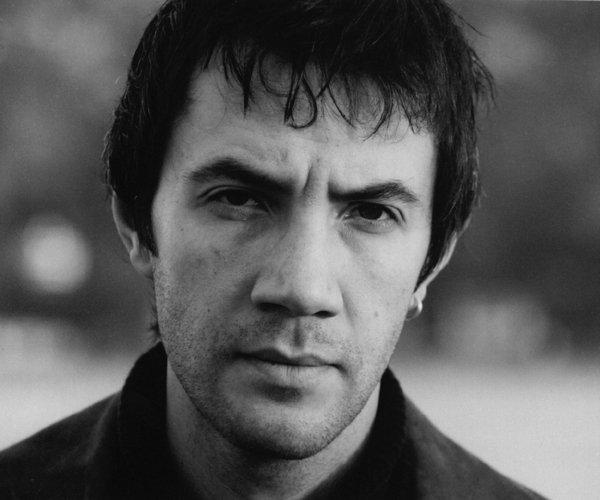
Yavuz Çetin’s Spotify BioA talent lost when barely into his thirties, Yavuz Çetin -- later referred to as the Golden Kid -- can easily be regarded as one the best Turkish guitar players. Aside from his solo albums, he was most famous for being the touring guitarist for MFÖ, but was also a favorite session player. Çetin was born in Samsun in September 25, 1970, a week after Jimi Hendrix died. He traveled as a kid in Anatolia and started playing local instruments. In the mid-'80s Çetin obtained his first acoustic guitar, and he studied blues and rock methods with professionals. In high school he won a contest with a song he co-wrote with Ercan Saatçi. After high school he enrolled in the Music Department of Marmara University in Istanbul. Throughout his college years, Çetin kept playing in clubs and writing songs. With his band Labirent he won another song contest, and he also formed the long-lasting cover band Blue Blues Band with Batu Mutlugil (father of Duman bandmember Batuhan Mutlugil), Kerim Çapli, and… Sunay Akin.
Çetin's encounter with Fuat Güner (of MFÖ) in the mid-'90s was a turning point in his career. He started playing guitar as a session musician, contributing to the music of several advertisements as well as a number of hit songs. Çetin worked for Deniz Arcak, Goksel, Izel, Kiraç, Sibel Tüzün, Turgut Berkes, Teoman, and many more. He became the first Turkish guitarist to use a talk box, which appeared in Goksel's "Sabir." In 1996, he and his wife, Didem Cetin, ended their four years of marriage. The same year, he started touring with MFÖ and, along with Fuat Güner, playing lead guitar for the band. He also continued performing in local clubs, and he recorded his first studio album with Serdar Oztop, which was produced by his high-school friend Ercan Saatçi.
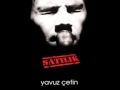
He released his debut, Ilk..., in 1997. The album featured mostly mellow blues tracks, classic blues, and rock & roll themes. Although it may be an album John Mayer would love to have, Çetin was not at his best as a songwriter and his lyrics were regarded as too clichéd. Guest appearances from Goksel and legendary guitarist Erkan Ogur weren't enough for him to break through -- however, two instrumental songs, "Fanki Tonki Zonki" and "Dunya," were impressive gems, along with "Onun Sarkisi" and "Cok Istiyorum." After his debut release, Yavuz Çetin continued touring with MFÖ and playing live with his own band, the Yavuz Çetin Group. Preparations for his second album commenced in 2000. Written completely by Çetin, Satilik was considered a near masterpiece -- however, he wouldn't live to see it. After completing all the recordings, he took his own life, jumping from the famous Bogaziçi Bridge connecting the two continents of Asia and Europe. August 15, 2001, is a day of mourning for many Turkish rock fans.
Later same year, Satilik was released. Opening with the immense and powerful "Cherokee," this album showcases a more serious Çetin, with lyrics reflecting his inner conflicts and, of course, fluent and clean technique on the guitar. From heavy rockers to acoustic improvisations and bluesy ballads, Satilik is an album of considerable appeal to guitar players and enthusiasts. "Bul Beni," "Yasamak Istemem," "Istanbul'a Ait," and the album-closing "Hersey Biter" shine with Çetin's brilliant talent. After his death, writers who previously didn't know his name authored articles about him. Fuat Güner refused to recruit another guitarist for MFÖ, tribute shows were organized, and the younger generation lionized him for his artistic abilities and persona. Yavuz Çetin took his place in the world among all the other guitar heroes who died too young, leaving behind the inevitable question of what might have happened if he had lived. ~ Vefik Karaege, Rovi
Viberate is a music analytics platform built for A&Rs, artist managers, labels, booking agents, marketers, and artists.
It helps music professionals track artist growth, analyze audience data, monitor playlist activity, compare artists, follow song performance, and identify opportunities across the music market.
Public artist pages provide a free preview of selected artist data. Paid plans provide access to deeper analytics, historical data, charts, comparisons, playlist tools, exports, alerts, reports, and additional professional features.
Yes. Public Viberate artist pages provide selected artist analytics and music data for free.
Viberate also offers a 7-day free trial of the full platform. A credit card is required to start the trial. The trial includes access to the complete product so users can test deeper artist analytics, historical views, playlist insights, comparisons, charts, exports, alerts, and reporting features before choosing a paid plan.
Viberate provides artist analytics across streaming, playlists, social media, video, radio airplay, songs, and audience markets.
Users can analyze Spotify performance, Spotify and Apple Music playlists, YouTube activity, TikTok and Instagram growth, radio spins, song performance, audience locations, demographics, rankings, and overall artist momentum.
Artist profiles also connect to music charts, similar artists, and comparison tools, helping users benchmark performance and evaluate artists in context.
Viberate updates key artist and track data daily.
For followed artists and tracks, selected data is refreshed multiple times per day. This helps teams monitor playlist changes, streaming movement, audience growth, releases, and campaign performance with more current data.
Update frequency can vary depending on the metric and data source.
Yes. Viberate lets users compare up to five artists side by side across streaming, social media, audience, and engagement metrics.
Users can compare fanbase growth, audience demographics, locations, Spotify performance, social metrics, and other artist data over selected time periods.
Artist comparison can be used for A&R scouting, benchmarking, booking decisions, campaign planning, and evaluating artists with similar audiences or market positions.