Kurban

Metal
Heavy Metal
Psychedelic Rock
Alternative Rock
 Viberate Rank: 80201
 Viberate Rank: 80201
 Monthly ListenersFollowers
 Subscribers
 Followers
 Followers
 FansTop Spotify Songs
| Track | 7-Day Streams | |
|---|---|---|
1 | 18.92K | |
2 | 14.33K | |
3 | 13.57K | |
4 | 10.69K | |
5 | 10.69K |
Top YouTube Videos| Video | 7-Day Views | |
|---|---|---|
1 | 17 |
Monthly ListenersFeatured in Playlists| Playlist | Followers | |
|---|---|---|
1 |  laik atak geçirirken dinlediklerim 🇹🇷 🎃 | 51.30K |
2 | Eski Türkçe Rock 2000ler Yigit Guder | 40.80K |
3 |  Türkçe Rock Şarkılar: En İyiler Filtr Turkey | 32.14K |
4 |  Tr'nin en sağlam playlistlerinden Cemyet | 19.65K |
5 |  Elektro gitar Sude | 18.97K |
Audience| City | Monthly Listeners | |
|---|---|---|
1 | | 41.27K |
2 | | 19.78K |
3 | | 12.64K |
4 | | 6.16K |
5 | | 3.93K |
See full performance history, audience data, playlist activity, rankings, comparisons, and more in Viberate music analytics. Start with a free trial, then continue with a paid plan.
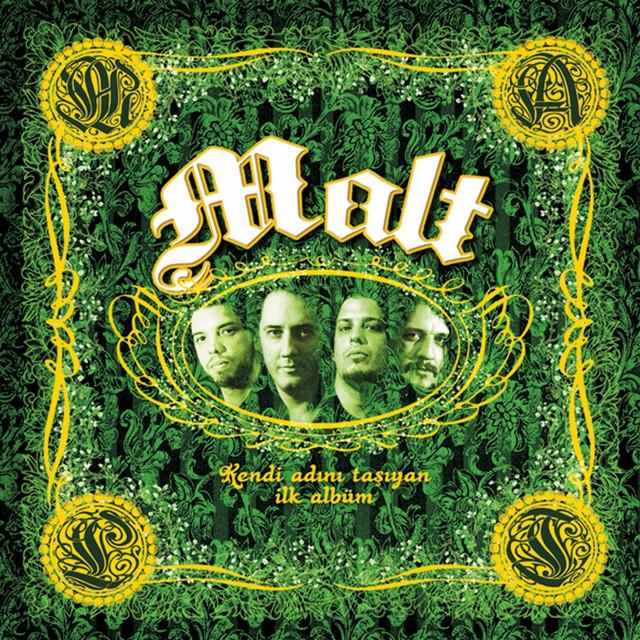
Kurban’s Spotify BioKurban -- a quartet comprised of vocalist/guitarist Deniz Yilmaz, drummer Burak Gürpinar, bass guitarist Kerem Tuzun, and lead guitarist Umut Gokcen -- were formed in 1995 under the name Outside. Two years later they took third place in the Roxy Music Days contest with their new name, Kurban -- which had a double meaning, either "victim" or "sacrificial animal" in a religious context. In 1999 the band released its self-titled debut album. With an approach rarely seen in Turkish rock, combining heavy hard rock riffs with a punk attitude, the band quickly drew widespread attention thanks to the hit "Yalan." Kurban were quickly chosen to open for Metallica that year in a stadium concert in Istanbul. Taking to the stage wearing skirts, they had to play under the boos of the crowd -- as they weren't metal enough to open for the thrash gods.
In 2001, lead guitarist Umut Gokcen was replaced by Özgür Kankaynar. A covers album, Sert, was released in 2004, and heavy versions of "Sari Cizmeli… Mehmet Aga" and "Aglama Degmez Hayat" were well received. A year later the band released its second album of original material, entitled Insanlar. Moving further away from punk influences and blending in more Turkish-style vocals with a darker tone, Insanlar showcased the band's mature face while retaining its naughty side. In May 2005, the members of Kurban decided to part ways. Deniz Yilmaz formed a new band called Panik, drummer Burak Gürpinar joined Athena, and bass guitarist Kerem Tuzun began playing alongside Demir Demirkan -- however, in late 2006 Kurban announced their reunion. ~ Vefik Karaege, Rovi
Viberate is a music analytics platform built for A&Rs, artist managers, labels, booking agents, marketers, and artists.
It helps music professionals track artist growth, analyze audience data, monitor playlist activity, compare artists, follow song performance, and identify opportunities across the music market.
Public artist pages provide a free preview of selected artist data. Paid plans provide access to deeper analytics, historical data, charts, comparisons, playlist tools, exports, alerts, reports, and additional professional features.
Yes. Public Viberate artist pages provide selected artist analytics and music data for free.
Viberate also offers a 7-day free trial of the full platform. A credit card is required to start the trial. The trial includes access to the complete product so users can test deeper artist analytics, historical views, playlist insights, comparisons, charts, exports, alerts, and reporting features before choosing a paid plan.
Viberate provides artist analytics across streaming, playlists, social media, video, radio airplay, songs, and audience markets.
Users can analyze Spotify performance, Spotify and Apple Music playlists, YouTube activity, TikTok and Instagram growth, radio spins, song performance, audience locations, demographics, rankings, and overall artist momentum.
Artist profiles also connect to music charts, similar artists, and comparison tools, helping users benchmark performance and evaluate artists in context.
Viberate updates key artist and track data daily.
For followed artists and tracks, selected data is refreshed multiple times per day. This helps teams monitor playlist changes, streaming movement, audience growth, releases, and campaign performance with more current data.
Update frequency can vary depending on the metric and data source.
Yes. Viberate lets users compare up to five artists side by side across streaming, social media, audience, and engagement metrics.
Users can compare fanbase growth, audience demographics, locations, Spotify performance, social metrics, and other artist data over selected time periods.
Artist comparison can be used for A&R scouting, benchmarking, booking decisions, campaign planning, and evaluating artists with similar audiences or market positions.