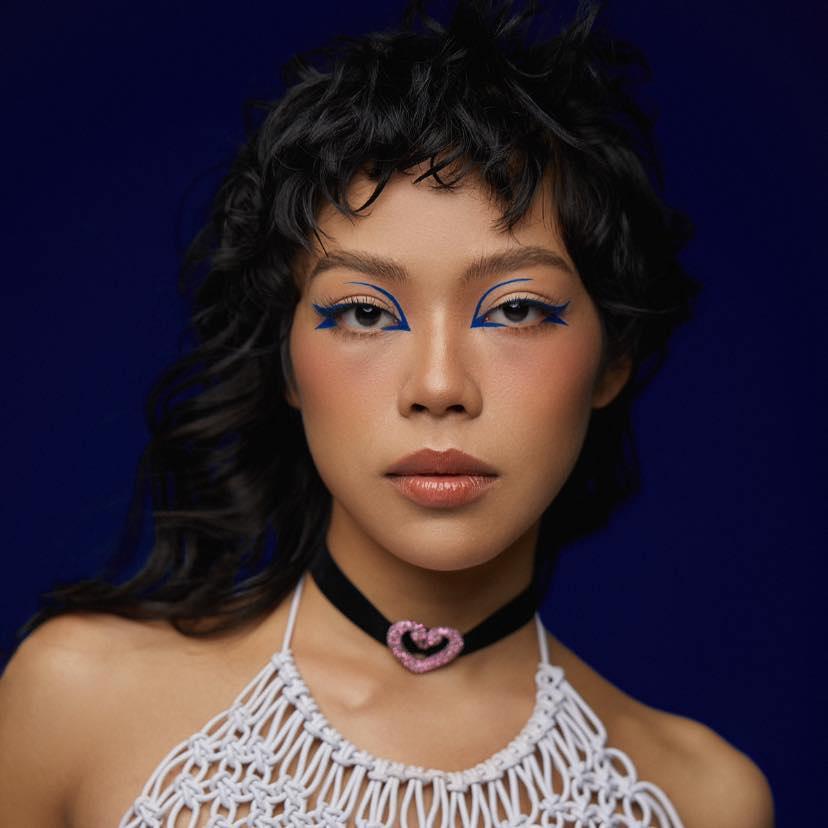
Wren Evans

Pop
v-pop
Alternative Hip Hop
Contemporary R&B
 Viberate Rank: 4407
 Viberate Rank: 4407
 Monthly ListenersFollowers
 Subscribers
 Followers
 Followers
 FansTop Spotify Songs
| Track | 7-Day Streams | |
|---|---|---|
1 | 391.79K | |
2 | 348.40K | |
3 | 263.86K | |
4 | 237.99K | |
5 | 185.95K |
Top YouTube Videos| Video | 7-Day Views | |
|---|---|---|
1 | 306.39K | |
2 | 141.05K | |
3 | 137.65K | |
4 | 81.39K | |
5 | 47.30K |
Monthly ListenersFeatured in Playlists| Playlist | Followers | |
|---|---|---|
1 |  COLORS - ALL SHOWS COLORSxSTUDIOS | 350.13K |
2 |  Thiên Hạ Nghe Gì Spotify | 320.87K |
3 |  Hot Hits Vietnam Spotify | 297.69K |
4 |  Inđậm Indie Spotify | 131.77K |
5 |  "Say Hi" Quang Hùng MasterD Vie Music Label | 101.48K |
Audience| City | Monthly Listeners | |
|---|---|---|
1 | | 629.92K |
2 | | 509.88K |
3 | | 91.39K |
4 | | 31.83K |
5 | | 31.05K |
See full performance history, audience data, playlist activity, rankings, comparisons, and more in Viberate music analytics. Start with a free trial, then continue with a paid plan.
Wren Evans’ Spotify BioWren Evans (Phan Le) is a Gen Z artist born in 2001. He is a Vietnamese singer-songwriter and producer.
Used to be well-known for writing most of his songs in English, Wren has been trying to use his mother tongue in recent tracks to come closer to the audience in Vietnam.
He started with Fever (2020), followed by the series of Fashion including Fashion 2, Fashion 3, Fashion Nova. However, his biggest hit till now is his first song written in Vietnamese: THÍCH EM HƠI NHIỀU (Kinda Like You), receiving many achievements when it was released.
In 2021, Wren continued with his thing showing unique artistry GẶP MAY (Get Lucky), CƠN ĐAU (The Pain) and released his debut EP at the end of 2022 titled CHIỀU HÔM ẤY ANH THẤY MÀU ĐỎ (Golden Sunset)
Recently, IN 2023, Wren has become bolder and more adventurous with his image and music. VIỆT KIỀU (Overseas Vietnamese) and CALL ME are the two songs that mark his return. At the same time, it also opens a new path with a dynamic music style, promising to… be an upcoming album.
Viberate is a music analytics platform built for A&Rs, artist managers, labels, booking agents, marketers, and artists.
It helps music professionals track artist growth, analyze audience data, monitor playlist activity, compare artists, follow song performance, and identify opportunities across the music market.
Public artist pages provide a free preview of selected artist data. Paid plans provide access to deeper analytics, historical data, charts, comparisons, playlist tools, exports, alerts, reports, and additional professional features.
Yes. Public Viberate artist pages provide selected artist analytics and music data for free.
Viberate also offers a 7-day free trial of the full platform. A credit card is required to start the trial. The trial includes access to the complete product so users can test deeper artist analytics, historical views, playlist insights, comparisons, charts, exports, alerts, and reporting features before choosing a paid plan.
Viberate provides artist analytics across streaming, playlists, social media, video, radio airplay, songs, and audience markets.
Users can analyze Spotify performance, Spotify and Apple Music playlists, YouTube activity, TikTok and Instagram growth, radio spins, song performance, audience locations, demographics, rankings, and overall artist momentum.
Artist profiles also connect to music charts, similar artists, and comparison tools, helping users benchmark performance and evaluate artists in context.
Viberate updates key artist and track data daily.
For followed artists and tracks, selected data is refreshed multiple times per day. This helps teams monitor playlist changes, streaming movement, audience growth, releases, and campaign performance with more current data.
Update frequency can vary depending on the metric and data source.
Yes. Viberate lets users compare up to five artists side by side across streaming, social media, audience, and engagement metrics.
Users can compare fanbase growth, audience demographics, locations, Spotify performance, social metrics, and other artist data over selected time periods.
Artist comparison can be used for A&R scouting, benchmarking, booking decisions, campaign planning, and evaluating artists with similar audiences or market positions.