Wondermints

Pop
Indie Pop
Power Pop
 Viberate Rank: 447597
 Viberate Rank: 447597
 Monthly ListenersFollowers
 Subscribers
 Followers
 Followers
 FansTop Spotify Songs
| Track | 7-Day Streams | |
|---|---|---|
1 | 189 | |
2 | 78 | |
3 | 48 | |
4 | 20 | |
5 | 18 |
Top YouTube VideosMonthly ListenersFeatured in Playlists| Playlist | Followers | |
|---|---|---|
1 | 500C feelgood playlist fiat500c | 4.12K |
2 |  Millenial Teen Movie Soundtracks Gary | 2.37K |
3 |  Anime Songs 90s AniPlaylist | 2.32K |
4 | 1990s Movie Soundtracks pt2000 | 2.08K |
5 |  History of Power Pop Luthercal | 2.00K |
Audience| City | Monthly Listeners | |
|---|---|---|
1 | | 14 |
2 | | 13 |
3 |  | 11 |
4 | | 10 |
5 |  | 10 |
See full performance history, audience data, playlist activity, rankings, comparisons, and more in Viberate music analytics. Start with a free trial, then continue with a paid plan.
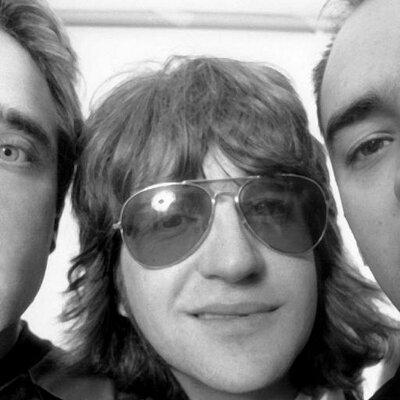
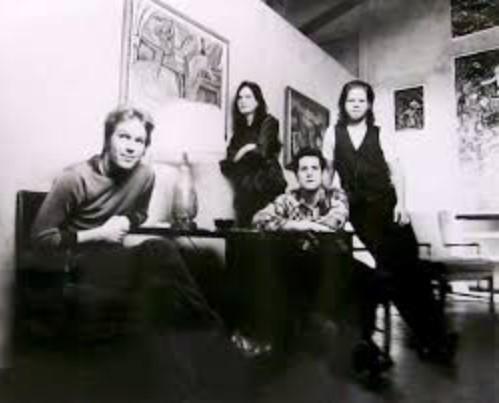
Wondermints’ Spotify BioFormed in Los Angeles in 1992, the Wondermints slowly built a reputation as a cornerstone in the city's pop underground. While the band's status grew, several members individually made names for themselves as expert sidemen, eventually elevating the Wondermints to a sort of underground supergroup. Big names in the industry, such as Eric Carmen and former Dramarama member Chris Carter (who subsequently became the band's manager), started to take note, finally paying off when Brian Wilson recruited them as part of his backing band for his comeback to the stage in 1999.
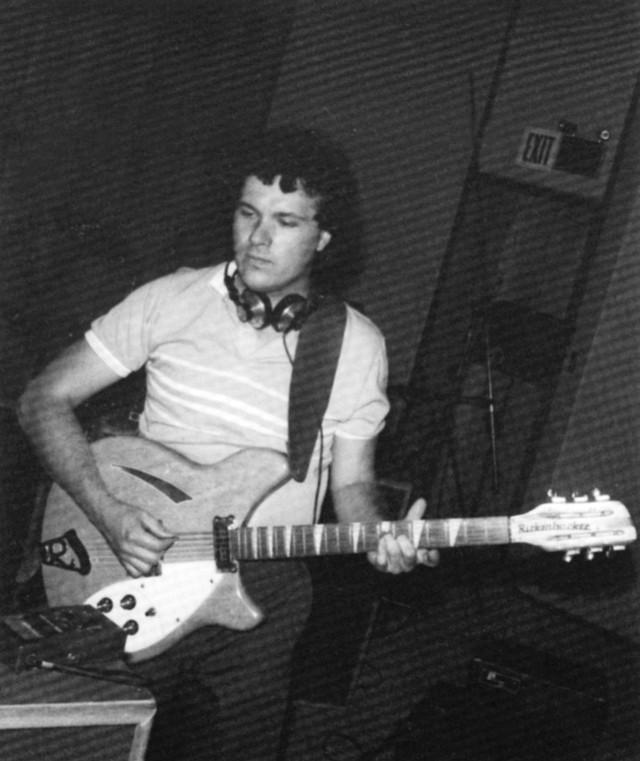
Beginning as a collaboration between keyboardist Darian Sahanaja and guitarist Nick Walusko, the Wondermints released a series of home-recorded cassettes and by 1992 enlisted the talents of bassist Brian Kassan. Drummer Mike D'Amico entered the fold a year later and the quartet continued to release homemade recordings. Toy's Factory Records of Japan found interest in the band and in 1995 released their first official album,… the contents of which were compiled from the home recordings, but right around the time of this release, Kassan chose to leave the ranks.
Regardless, given the greater exposure, the Wondermints secured places on several tribute and compilation albums. Multi-instrumentalist Probyn Gregory agreed to fill the slot Kassan had vacated, and in the fall of 1996 the group released The Wonderful World of the Wondermints, a record entirely of covers -- something of an abnormality for a group's second outing. They followed The Wonderful World of the Wondermints with a track for the immensely successful Mike Myers film Austin Powers: International Man of Mystery. Penned by Sahanaja, the track opened up the doors to the Wondermints' first stateside distribution deal, with EMI, and in 1998 the group finally released their first official non-compilation all-original album, Bali, to fantastic reviews. A year later, the Wondermints released the EP Cellophane.
When Brian Wilson enlisted the band for his surprising resurgence as a live performer, the Wondermints were exposed to the masses as the meat of his backing band. The collaboration proved so successful that Wilson brought the band out in 2000 to perform the classic Pet Sounds live in its entirety, then again on world tours in 2001 and 2002. The group found time amidst this heavy touring to record Mind If We Make Love to You, released in 2002, which featured, naturally, a guest appearance from Wilson. The Wondermints and Wilson took 2003 off from touring and Darian Sahanaja joined Heart for their summer tour before work on Wilson's 2004 solo release, Gettin' in Over My Head, began.
Wilson again took the Wondermints out on tour in early 2004, debuting the lost Beach Boys masterpiece SMiLE over 30 years after the project was initially abandoned, and was so invigorated with the performances that he announced plans to release a re-recorded version of SMiLE with the Wondermints. This time he made due on this promise, as the album was released on Nonesuch in the fall of 2004, officially rocketing the Wondermints to sizable importance in the history of rock & roll. Kaleidoscopin': Exploring Prisms of the Past appeared in 2009. ~ Gregory McIntosh, Rovi
Viberate is a music analytics platform built for A&Rs, artist managers, labels, booking agents, marketers, and artists.
It helps music professionals track artist growth, analyze audience data, monitor playlist activity, compare artists, follow song performance, and identify opportunities across the music market.
Public artist pages provide a free preview of selected artist data. Paid plans provide access to deeper analytics, historical data, charts, comparisons, playlist tools, exports, alerts, reports, and additional professional features.
Yes. Public Viberate artist pages provide selected artist analytics and music data for free.
Viberate also offers a 7-day free trial of the full platform. A credit card is required to start the trial. The trial includes access to the complete product so users can test deeper artist analytics, historical views, playlist insights, comparisons, charts, exports, alerts, and reporting features before choosing a paid plan.
Viberate provides artist analytics across streaming, playlists, social media, video, radio airplay, songs, and audience markets.
Users can analyze Spotify performance, Spotify and Apple Music playlists, YouTube activity, TikTok and Instagram growth, radio spins, song performance, audience locations, demographics, rankings, and overall artist momentum.
Artist profiles also connect to music charts, similar artists, and comparison tools, helping users benchmark performance and evaluate artists in context.
Viberate updates key artist and track data daily.
For followed artists and tracks, selected data is refreshed multiple times per day. This helps teams monitor playlist changes, streaming movement, audience growth, releases, and campaign performance with more current data.
Update frequency can vary depending on the metric and data source.
Yes. Viberate lets users compare up to five artists side by side across streaming, social media, audience, and engagement metrics.
Users can compare fanbase growth, audience demographics, locations, Spotify performance, social metrics, and other artist data over selected time periods.
Artist comparison can be used for A&R scouting, benchmarking, booking decisions, campaign planning, and evaluating artists with similar audiences or market positions.