The Shazam

Rock
Alternative Rock
Power Pop
 Viberate Rank: 417182
 Viberate Rank: 417182
 Monthly ListenersFollowers
 Subscribers
 Followers
 Followers
 FansTop Spotify Songs
| Track | 7-Day Streams | |
|---|---|---|
1 | 513 | |
2 | 109 | |
3 | 72 | |
4 | 49 | |
5 | 37 |
Top YouTube Videos| Video | 7-Day Views | |
|---|---|---|
1 | 23 | |
2 | 9 | |
3 | 7 | |
4 | 6 | |
5 | 5 |
Monthly ListenersFeatured in Playlists| Playlist | Followers | |
|---|---|---|
1 |  Power Pop Spotify | 165.56K |
2 |  RARE THE NANAS Rare The Nanas | 3.12K |
3 |  History of Power Pop Luthercal | 2.00K |
4 |  Our Ultimate Power Pop Playlist meyerman | 1.31K |
5 |  POWER POP: 100 best songs Juan Ceñal | 1.29K |
Audience| City | Monthly Listeners | |
|---|---|---|
1 |  | 66 |
2 | | 47 |
3 | | 37 |
4 | | 34 |
5 |  | 33 |
See full performance history, audience data, playlist activity, rankings, comparisons, and more in Viberate music analytics. Start with a free trial, then continue with a paid plan.
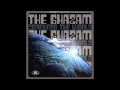
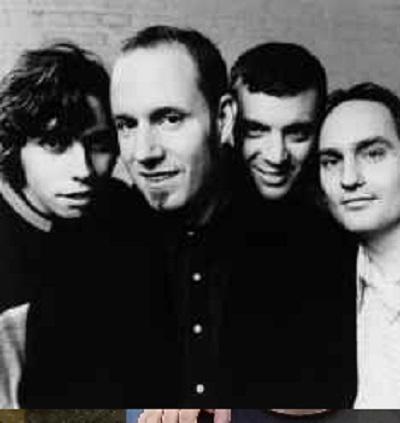
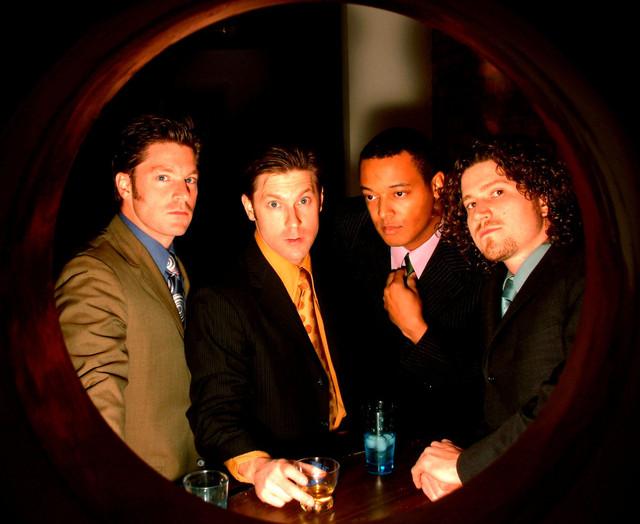
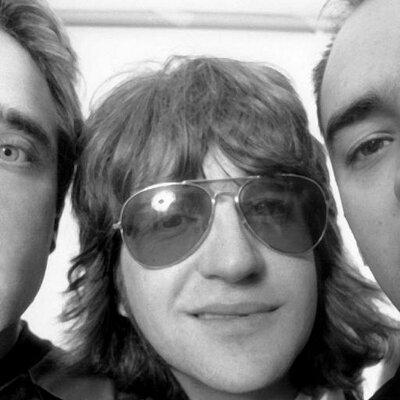
The Shazam’s Spotify BioLed by guitarist, vocalist, and songwriter Hans Rotenberry, the Shazam are a contemporary power pop band from Nashville, Tennessee, who've earned a loyal following among pop obsessives for their sharp, rollicking, and often witty British-influenced sound. The Shazam were formed in 1997 when Rotenberry teamed up with bassist Mick Wilson and drummer Scott Ballew. The group released their self-titled debut album in 1997, which was produced by Brad Jones. They expanded to a four-piece on 1999's Godspeed the Shazam with the addition of guitarist Jeremy Ashrock; the track "Super Tuesday" also earned the Shazam a mention in a piece on election-year songs in The New Yorker. Two more albums followed, 2000's Rev9 and 2002's Tomorrow the World, which like their earlier works were produced by Jones, received enthusiastic reviews, and racked up minimal sales. The Shazam unveiled a new lineup on 2009's Meteor, with Rotenberry, Ashrock, and Ballew joined by new bassist Mike Vargo; the album also… found the Shazam exploring their love of 1970s and '80s classic rock as they were joined in the studio by Mack (aka Reinhold Mack), a producer and engineer who had worked with Queen, Billy Squire, and Black Sabbath. In 2010, Rotenberry teamed with Brad Jones to write and record a duo project, Mountain Jack. ~ Mark Deming, Rovi
Viberate is a music analytics platform built for A&Rs, artist managers, labels, booking agents, marketers, and artists.
It helps music professionals track artist growth, analyze audience data, monitor playlist activity, compare artists, follow song performance, and identify opportunities across the music market.
Public artist pages provide a free preview of selected artist data. Paid plans provide access to deeper analytics, historical data, charts, comparisons, playlist tools, exports, alerts, reports, and additional professional features.
Yes. Public Viberate artist pages provide selected artist analytics and music data for free.
Viberate also offers a 7-day free trial of the full platform. A credit card is required to start the trial. The trial includes access to the complete product so users can test deeper artist analytics, historical views, playlist insights, comparisons, charts, exports, alerts, and reporting features before choosing a paid plan.
Viberate provides artist analytics across streaming, playlists, social media, video, radio airplay, songs, and audience markets.
Users can analyze Spotify performance, Spotify and Apple Music playlists, YouTube activity, TikTok and Instagram growth, radio spins, song performance, audience locations, demographics, rankings, and overall artist momentum.
Artist profiles also connect to music charts, similar artists, and comparison tools, helping users benchmark performance and evaluate artists in context.
Viberate updates key artist and track data daily.
For followed artists and tracks, selected data is refreshed multiple times per day. This helps teams monitor playlist changes, streaming movement, audience growth, releases, and campaign performance with more current data.
Update frequency can vary depending on the metric and data source.
Yes. Viberate lets users compare up to five artists side by side across streaming, social media, audience, and engagement metrics.
Users can compare fanbase growth, audience demographics, locations, Spotify performance, social metrics, and other artist data over selected time periods.
Artist comparison can be used for A&R scouting, benchmarking, booking decisions, campaign planning, and evaluating artists with similar audiences or market positions.