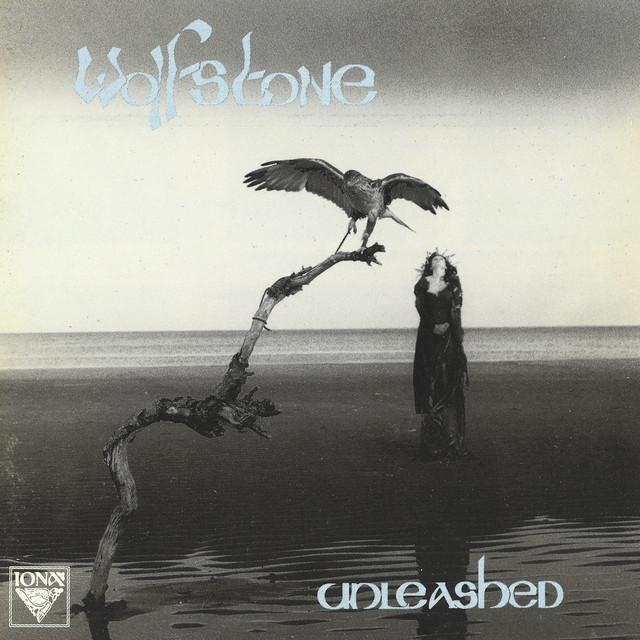
Wolfstone

European
Celtic
Folk Rock
 Viberate Rank: 199941
 Viberate Rank: 199941
 Monthly ListenersFollowers
 Subscribers
 Followers
 Followers
 FansTop Spotify Songs
| Track | 7-Day Streams | |
|---|---|---|
1 | 1.20K | |
2 | 681 | |
3 | 630 | |
4 | 522 | |
5 | 473 |
Top YouTube VideosMonthly ListenersFeatured in Playlists| Playlist | Followers | |
|---|---|---|
1 |  Songs of the Highlands: Scottish Folk Miles Cameron Hunter | 9.39K |
2 |  MÙSICA CELTA...LO MEJOR !! kaririarte | 8.00K |
3 | Gaelic Folk - Irish, Scottish and Manx Traditional Folk Music Kapten | 5.99K |
4 | Ceilidh/Scottish Music Fraser Wotherspoon | 5.46K |
5 |  Scotland Music Nick Mcadie | 5.42K |
Audience| City | Monthly Listeners | |
|---|---|---|
1 | | 480 |
2 |  | 336 |
3 | | 236 |
4 | | 117 |
5 | | 96 |
See full performance history, audience data, playlist activity, rankings, comparisons, and more in Viberate music analytics. Start with a free trial, then continue with a paid plan.
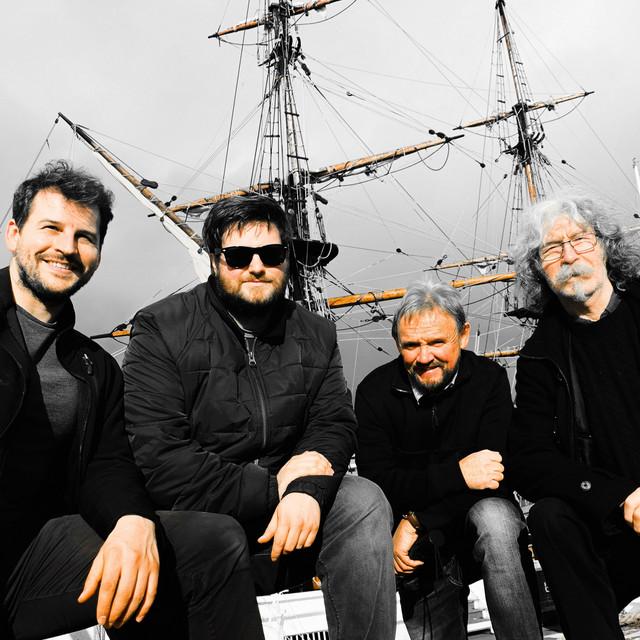
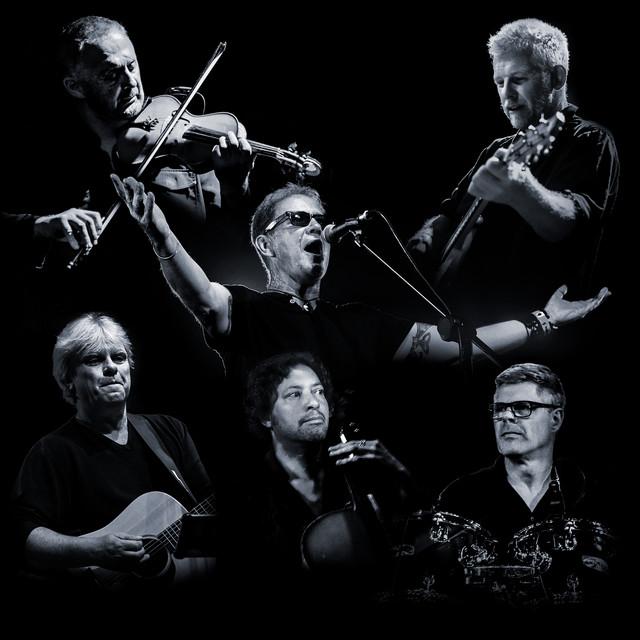
Wolfstone’s Spotify BioOver the course of nine years, Wolfstone dragged Scottish music -- sometimes kicking and screaming, but always quite loudly -- into the world of rock. They were loud and proud and transferred Seattle's grunge ethic from the Pacific Northwest to the Highlands, applying it to both traditional and their original music. It all began when fiddler Duncan Chisholm put together a ceilidh band to play dances in the Highlands, adding pipes and bass and drums into the mix -- a combination that was well-received. Along with original bassist David Foster, Chisholm brought in Stuart Eaglesham on guitars, his brother Struan Eaglesham on keyboards, and the guitarist/songwriter Ivan Drever to round out the lineup.
The group's 1991 debut, Unleashed, proved to be the biggest seller ever for tiny Iona Records, garnering the band a silver disc (two earlier collections, Wolfstone I and Wolfstone II, circulated once the band became famous. However, they distanced themselves from the material, recorded in… their very formative stages). A year later they issued The Chase and took their more developed sound international, with a more refined mix of blazing instrumentals grounded by the heavy rhythm section and Drever's songs, including "The Prophet" and "Tinnie Run." They played around Europe and made their first foray to America, a place they'd visit several times over the next few years. Wolfstone: Captured Alive Video, a video of their live show from the period, illustrates the power of their performances -- not too subtle, but able to get to the masses.
1994 brought two U.S. releases, Wolfstone and the massive Year of the Dog, which had plenty of crunch on songs like "The Sea King." It also introduced two new members, Wayne MacKenzie on bass, and Steve Saint on pipes. It made them into even more of a rock band, and producer Phil Cunningham let the guitars ring loud and distorted. The Half Tail, two years later, had a richer, slicker sound, with one utter standout piece, "Bonnie Ship the Diamond." It put a new stamp on Scots music. Unfortunately, the stamp peeled just a year later, thanks in large part to problems with the record company and management squabbles. However, that was far from the end of the story. Drever and Chisholm worked together, and 1998 and 1999 both brought new Wolfstone albums, This Strange Place and Seven (the first reportedly a contract-filler), following on from a best-of set. While the band has played occasional shows since, they've not gotten back together. ~ Chris Nickson, Rovi
Viberate is a music analytics platform built for A&Rs, artist managers, labels, booking agents, marketers, and artists.
It helps music professionals track artist growth, analyze audience data, monitor playlist activity, compare artists, follow song performance, and identify opportunities across the music market.
Public artist pages provide a free preview of selected artist data. Paid plans provide access to deeper analytics, historical data, charts, comparisons, playlist tools, exports, alerts, reports, and additional professional features.
Yes. Public Viberate artist pages provide selected artist analytics and music data for free.
Viberate also offers a 7-day free trial of the full platform. A credit card is required to start the trial. The trial includes access to the complete product so users can test deeper artist analytics, historical views, playlist insights, comparisons, charts, exports, alerts, and reporting features before choosing a paid plan.
Viberate provides artist analytics across streaming, playlists, social media, video, radio airplay, songs, and audience markets.
Users can analyze Spotify performance, Spotify and Apple Music playlists, YouTube activity, TikTok and Instagram growth, radio spins, song performance, audience locations, demographics, rankings, and overall artist momentum.
Artist profiles also connect to music charts, similar artists, and comparison tools, helping users benchmark performance and evaluate artists in context.
Viberate updates key artist and track data daily.
For followed artists and tracks, selected data is refreshed multiple times per day. This helps teams monitor playlist changes, streaming movement, audience growth, releases, and campaign performance with more current data.
Update frequency can vary depending on the metric and data source.
Yes. Viberate lets users compare up to five artists side by side across streaming, social media, audience, and engagement metrics.
Users can compare fanbase growth, audience demographics, locations, Spotify performance, social metrics, and other artist data over selected time periods.
Artist comparison can be used for A&R scouting, benchmarking, booking decisions, campaign planning, and evaluating artists with similar audiences or market positions.