Capercaillie

European
Celtic
 Viberate Rank: 101236
 Viberate Rank: 101236
 Monthly ListenersFollowers
 Subscribers
 Followers
 Followers
 FansTop Spotify Songs
| Track | 7-Day Streams | |
|---|---|---|
1 | 16.03K | |
2 | 12.15K | |
3 | 4.10K | |
4 | 4.00K | |
5 | 2.94K |
Top YouTube VideosMonthly ListenersFeatured in Playlists| Playlist | Followers | |
|---|---|---|
1 |  Traditional Scottish Folk Spotify | 138.81K |
2 |  Celtic Music ☘️ The Gothard Sisters | 105.95K |
3 |  Scottish Folk & Gaelic Singing erinhomie | 63.17K |
4 |  Scottish Highlands Evlin DuBose | 42.08K |
5 |  Celtic Gaelic Folk Music ☘️ Marina in the Shire | 33.60K |
Audience| City | Monthly Listeners | |
|---|---|---|
1 | | 2.50K |
2 | | 2.42K |
3 |  | 1.40K |
4 |  | 1.25K |
5 |  | 966 |
See full performance history, audience data, playlist activity, rankings, comparisons, and more in Viberate music analytics. Start with a free trial, then continue with a paid plan.
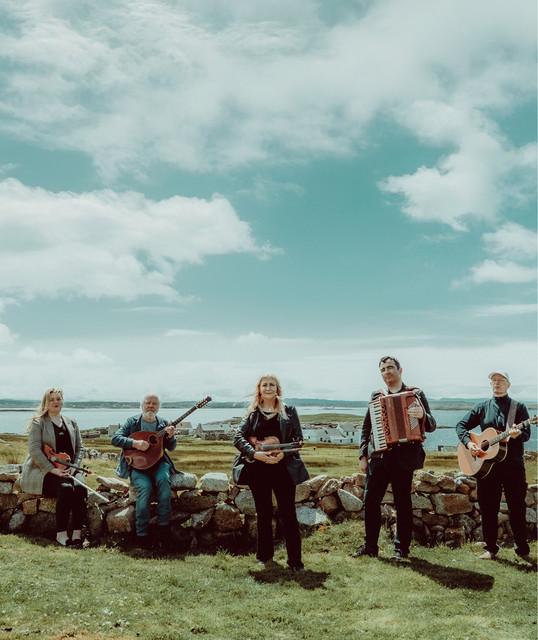
Capercaillie’s Spotify BioFrom their homeland roots of Argyll in the highlands of Scotland, Capercaillie have been credited with being the major force in bringing traditional Celtic music to the world stage and inspiring the great resurgence so evident today.
Even four ground-breaking decades after Capercaillie first performed as teenagers in their native Scottish Highlands; even as they continue the worldwide musical journey that’s taken them from the Brazilian rainforest to the Hanging Gardens of Babylon, not to mention into the pop charts – it is the ancient Gaelic culture that still inspires them the most.
Their debut album Cascade (1984) earned them a local reputation, followed by Crosswinds (1986) and The Blood Is Strong (1988), a soundtrack for a Channel 4 series on Scottish Gaels. Their sound blended traditional elements with pop and dance rhythms. In 1989, the band’s evolution continued with Sidewaulk, marking a defining interplay between Karen Matheson’s vocals, Shaw’s atmospheric keyboard, and… assertive rhythms.
Capercaillie’s 1991 major-label debut album Delirium featured their first original English songs and hit “Coisich a Ruin", the first Gaelic song to reach the UK Top 40. They continued with albums like Secret People (1993) and Beautiful Wasteland (1998), exploring various musical styles while remaining grounded in Gaelic traditions.
In their 40th year, Capercaillie releases ReLoved (2024), a full symphonic arrangement of their music, marking a monumental moment in their career.
Viberate is a music analytics platform built for A&Rs, artist managers, labels, booking agents, marketers, and artists.
It helps music professionals track artist growth, analyze audience data, monitor playlist activity, compare artists, follow song performance, and identify opportunities across the music market.
Public artist pages provide a free preview of selected artist data. Paid plans provide access to deeper analytics, historical data, charts, comparisons, playlist tools, exports, alerts, reports, and additional professional features.
Yes. Public Viberate artist pages provide selected artist analytics and music data for free.
Viberate also offers a 7-day free trial of the full platform. A credit card is required to start the trial. The trial includes access to the complete product so users can test deeper artist analytics, historical views, playlist insights, comparisons, charts, exports, alerts, and reporting features before choosing a paid plan.
Viberate provides artist analytics across streaming, playlists, social media, video, radio airplay, songs, and audience markets.
Users can analyze Spotify performance, Spotify and Apple Music playlists, YouTube activity, TikTok and Instagram growth, radio spins, song performance, audience locations, demographics, rankings, and overall artist momentum.
Artist profiles also connect to music charts, similar artists, and comparison tools, helping users benchmark performance and evaluate artists in context.
Viberate updates key artist and track data daily.
For followed artists and tracks, selected data is refreshed multiple times per day. This helps teams monitor playlist changes, streaming movement, audience growth, releases, and campaign performance with more current data.
Update frequency can vary depending on the metric and data source.
Yes. Viberate lets users compare up to five artists side by side across streaming, social media, audience, and engagement metrics.
Users can compare fanbase growth, audience demographics, locations, Spotify performance, social metrics, and other artist data over selected time periods.
Artist comparison can be used for A&R scouting, benchmarking, booking decisions, campaign planning, and evaluating artists with similar audiences or market positions.