Witchrot

Metal
Doom/Sludge Metal
Psychedelic Rock
Stoner Rock
 Viberate Rank: 142797
 Viberate Rank: 142797
 Monthly ListenersFollowers
 Subscribers
 Followers
 Followers
 FansTop Spotify Songs
| Track | 7-Day Streams | |
|---|---|---|
1 | 8.36K | |
2 | 6.31K | |
3 | 3.33K | |
4 | 2.84K | |
5 | 1.92K |
Top YouTube VideosMonthly ListenersFeatured in Playlists| Playlist | Followers | |
|---|---|---|
1 |  Expansive Doom F I L T H Y W I T C H | 9.71K |
2 |  Stoner, Sludge & Doom Metal blaatz0r | 4.21K |
3 |  psych stoner doom blues rock metal chris | 3.77K |
4 |  𝐏𝐬𝐲𝐜𝐡edelic 𝐒𝐭𝐨𝐧𝐞𝐫 𝐌𝐚𝐫𝐬𝐡 𝙎𝙩𝙤𝙢𝙥𝙞𝙣𝙜𝙇𝙡𝙖𝙢𝙖 | 3.18K |
5 |  goth vampire emilia mondragón | 3.13K |
Audience| City | Monthly Listeners | |
|---|---|---|
1 |  | 533 |
2 | | 480 |
3 |  | 431 |
4 | | 395 |
5 | | 353 |
See full performance history, audience data, playlist activity, rankings, comparisons, and more in Viberate music analytics. Start with a free trial, then continue with a paid plan.
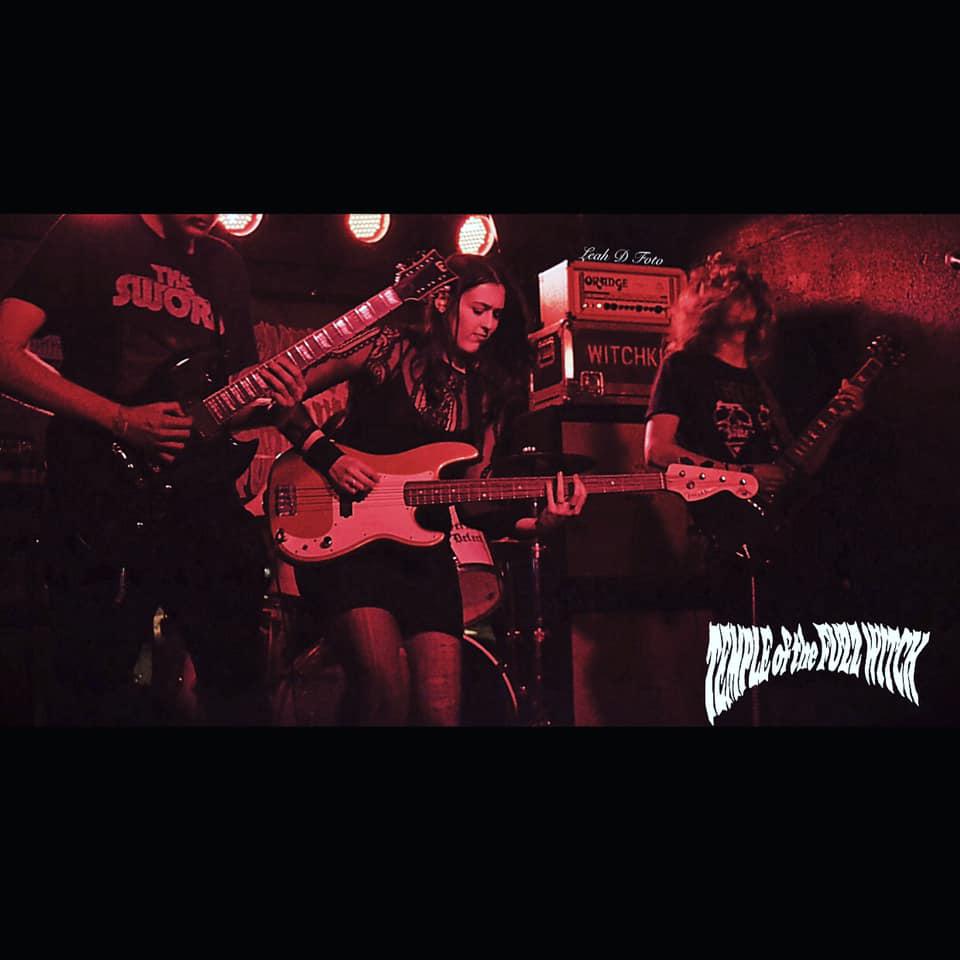
Witchrot’s Spotify BioWitchrot crawled out of Toronto’s underground in 2018, fusing doom metal, fuzz-drenched psychedelia, and ghostly shoegaze. Formed by Lea Reto and guitarist Peter Turik, the band is known for crafting immersive, slow-burning soundscapes where Reto’s smoky vocals drift through crushing waves of distortion. Their sudden rise to cult fame began with a viral breakup post Kerrang! called “the most metal breakup announcement of all time.”
Instead of burning out, Witchrot harnessed the chaos. Their debut album Hollow earned praise from Metal Forces Magazine as “soulful and bewitching… dripping in fuzzed-up psych.” That same raw energy was captured on Live in the Hammer, a document of their relentless, ritualistic performances.
In 2025, the band unveiled Soul Cellar, a darker, deeper dive into the underworld of their sound. It expands on their signature heaviness with cinematic pacing and trance-like atmosphere, layered with Patrick Sherrard’s eerie synth textures. The album drew praise from… Metal Hammer as “gorgeously sumptuous, deeply layered dark psychedelia, expanding out slowly and swallowing you whole in glorious, all-encompassing fashion.” MetalSucks called it “dark, deep, and heavy doom metal to break your neck to,” while Metal Epidemic wrote, “you will be hard-pressed to find anything else right now quite like this.”. The lineup also includes drummer Myles Deck (Cauldron) and bassist Jon Ferraria (formerly of Panzerfaust).
Viberate is a music analytics platform built for A&Rs, artist managers, labels, booking agents, marketers, and artists.
It helps music professionals track artist growth, analyze audience data, monitor playlist activity, compare artists, follow song performance, and identify opportunities across the music market.
Public artist pages provide a free preview of selected artist data. Paid plans provide access to deeper analytics, historical data, charts, comparisons, playlist tools, exports, alerts, reports, and additional professional features.
Yes. Public Viberate artist pages provide selected artist analytics and music data for free.
Viberate also offers a 7-day free trial of the full platform. A credit card is required to start the trial. The trial includes access to the complete product so users can test deeper artist analytics, historical views, playlist insights, comparisons, charts, exports, alerts, and reporting features before choosing a paid plan.
Viberate provides artist analytics across streaming, playlists, social media, video, radio airplay, songs, and audience markets.
Users can analyze Spotify performance, Spotify and Apple Music playlists, YouTube activity, TikTok and Instagram growth, radio spins, song performance, audience locations, demographics, rankings, and overall artist momentum.
Artist profiles also connect to music charts, similar artists, and comparison tools, helping users benchmark performance and evaluate artists in context.
Viberate updates key artist and track data daily.
For followed artists and tracks, selected data is refreshed multiple times per day. This helps teams monitor playlist changes, streaming movement, audience growth, releases, and campaign performance with more current data.
Update frequency can vary depending on the metric and data source.
Yes. Viberate lets users compare up to five artists side by side across streaming, social media, audience, and engagement metrics.
Users can compare fanbase growth, audience demographics, locations, Spotify performance, social metrics, and other artist data over selected time periods.
Artist comparison can be used for A&R scouting, benchmarking, booking decisions, campaign planning, and evaluating artists with similar audiences or market positions.