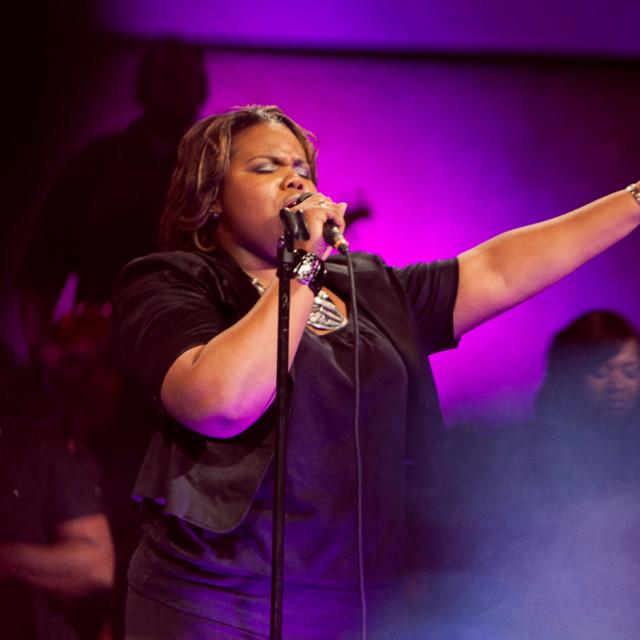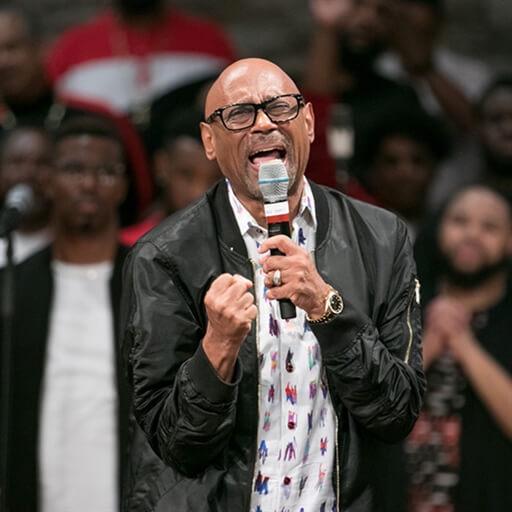
William Murphy

Religious
Christian Music
Gospel
 Viberate Rank: 20476
 Viberate Rank: 20476
 Monthly ListenersFollowers
 Subscribers
 Followers
 Followers
 FansTop Spotify Songs
| Track | 7-Day Streams | |
|---|---|---|
1 | 39.56K | |
2 | 35.15K | |
3 | 31.80K | |
4 | 30.46K | |
5 | 15.68K |
Top YouTube Videos| Video | 7-Day Views | |
|---|---|---|
1 | 27.79K | |
2 | 23.63K | |
3 | 12.88K | |
4 | 11.53K | |
5 | 7.90K |
Monthly ListenersFeatured in Playlists| Playlist | Followers | |
|---|---|---|
1 |  Gospel Hits Spotify | 697.80K |
2 |  Gospel Hits 2026 SOZO Playlists | 160.05K |
3 | Gospel 💫 swag | 156.76K |
4 |  GOoD Morning Spotify | 126.60K |
5 | Black Gospel Praise and Worship diywithme772 | 81.46K |
Audience| City | Monthly Listeners | |
|---|---|---|
1 | | 10.79K |
2 | | 7.83K |
3 | | 7.70K |
4 | | 7.30K |
5 | | 5.79K |
See full performance history, audience data, playlist activity, rankings, comparisons, and more in Viberate music analytics. Start with a free trial, then continue with a paid plan.
William Murphy’s Spotify BioDetroit-raised, Georgia-based pastor, music director, and singer William Murphy specializes in stirring praise & worship hymns that fuse old-school gospel with urban CCM. He initially gained wide acclaim providing the soaring lead vocal on the modern gospel standard "Praise Is What I Do," off his 2005 debut All Day. Along with his work as a pastor, Murphy has earned two Grammy nominations and several Top Ten Gospel album chart hits, including for his 2016 live album Demonstrate, 2019's Settle Here, and 2022's Worship & Justice.
Born William Henry Murphy, III in Detroit in 1973, Murphy grew up in a religious household the son of Bishop William H. Murphy, Jr. and the grandson of pastor Dr. William H. Murphy, Sr. Raised in the church, he developed a love of singing and by his senior year of high school knew he wanted to preach the Gospel of Jesus Christ. At age 23, he was ordained an elder in his father's ministry, and served in a variety of functions including Minister of Music and… Executive Pastor. In 2001, he and his wife, Pastor Danielle Murphy, relocated to Atlanta, Georgia where he began serving as worship minister at New Birth Missionary Church. As a singer and worship leader, Murphy issued his debut album, All Day, in 2005. The album peaked at number 22 on the Gospel albums chart, and spawned the modern-day standard "Praise Is What I Do." He followed it in 2007 with the equally well-received The Sound.
Recorded live, Murphy's major-label debut, God Chaser, arrived in 2013, and debuted at the number three spot on the Billboard gospel chart. It also earned the singer his first Grammy Award-nomination for Best Gospel Album. Demonstrate, on which Murphy was joined by Tasha Cobbs, Nicole Binion, and Bishop James Morton, followed in 2016, and earned the singer his second Grammy nomination for Best Gospel Album. Murphy returned in 2019 with his sixth full-length album, Settle Here, which debuted at number one on Billboard's Top Gospel Albums chart. Working with longtime collaborator David Outing, Murphy issued the powerful, social justice-themed Worship & Justice, in 2022. ~ James Christopher Monger, Rovi
Viberate is a music analytics platform built for A&Rs, artist managers, labels, booking agents, marketers, and artists.
It helps music professionals track artist growth, analyze audience data, monitor playlist activity, compare artists, follow song performance, and identify opportunities across the music market.
Public artist pages provide a free preview of selected artist data. Paid plans provide access to deeper analytics, historical data, charts, comparisons, playlist tools, exports, alerts, reports, and additional professional features.
Yes. Public Viberate artist pages provide selected artist analytics and music data for free.
Viberate also offers a 7-day free trial of the full platform. A credit card is required to start the trial. The trial includes access to the complete product so users can test deeper artist analytics, historical views, playlist insights, comparisons, charts, exports, alerts, and reporting features before choosing a paid plan.
Viberate provides artist analytics across streaming, playlists, social media, video, radio airplay, songs, and audience markets.
Users can analyze Spotify performance, Spotify and Apple Music playlists, YouTube activity, TikTok and Instagram growth, radio spins, song performance, audience locations, demographics, rankings, and overall artist momentum.
Artist profiles also connect to music charts, similar artists, and comparison tools, helping users benchmark performance and evaluate artists in context.
Viberate updates key artist and track data daily.
For followed artists and tracks, selected data is refreshed multiple times per day. This helps teams monitor playlist changes, streaming movement, audience growth, releases, and campaign performance with more current data.
Update frequency can vary depending on the metric and data source.
Yes. Viberate lets users compare up to five artists side by side across streaming, social media, audience, and engagement metrics.
Users can compare fanbase growth, audience demographics, locations, Spotify performance, social metrics, and other artist data over selected time periods.
Artist comparison can be used for A&R scouting, benchmarking, booking decisions, campaign planning, and evaluating artists with similar audiences or market positions.