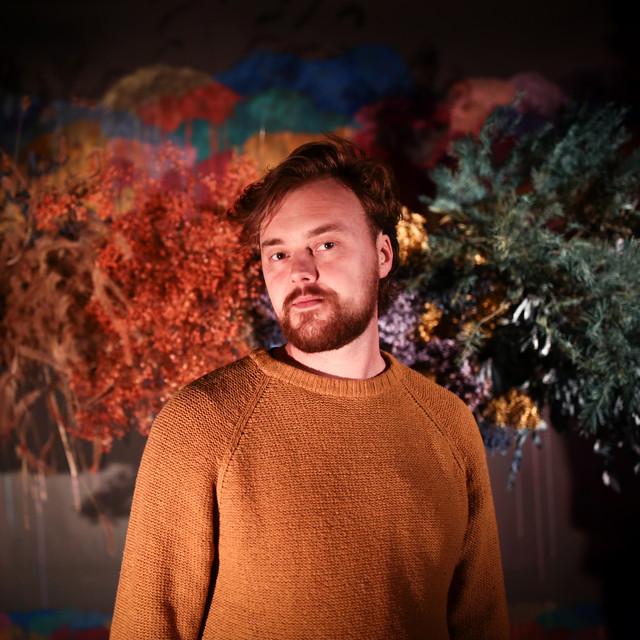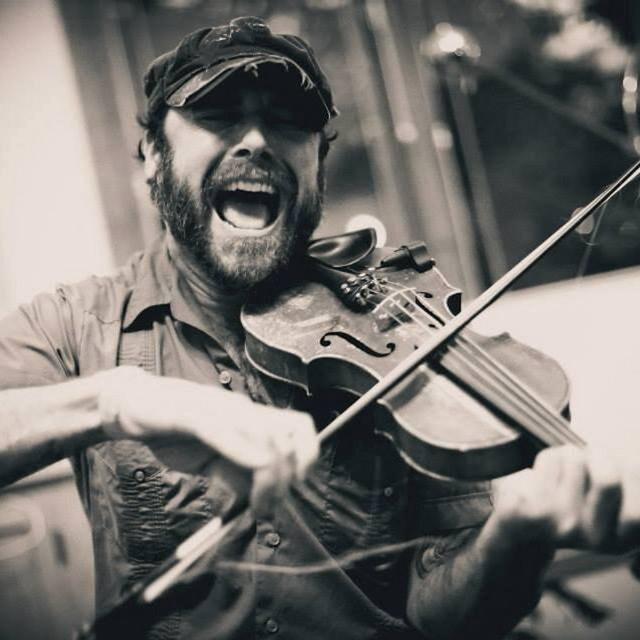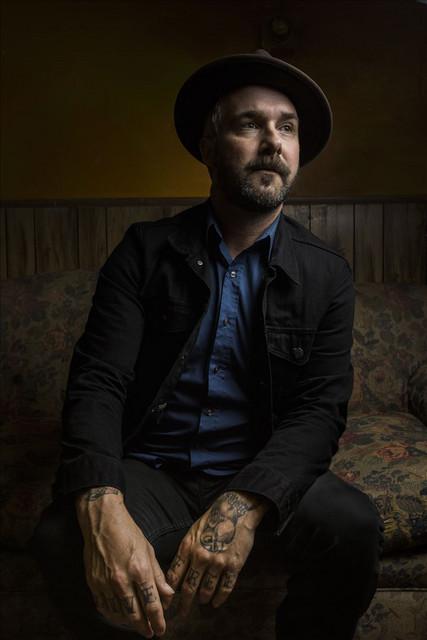
William Elliott Whitmore

Country
Americana/Alt Country
Folk Rock
Contemporary Blues
 Viberate Rank: 109554
 Viberate Rank: 109554
 Monthly ListenersFollowers
 Subscribers
 Followers
 Followers
 FansTop Spotify Songs
| Track | 7-Day Streams | |
|---|---|---|
1 | 9.89K | |
2 | 9.28K | |
3 | 6.54K | |
4 | 5.62K | |
5 | 5.52K |
Top YouTube VideosMonthly ListenersFeatured in Playlists| Playlist | Followers | |
|---|---|---|
1 |  Acoustic Blues Spotify | 873.79K |
2 |  Spooky Banjo Time Pawns or Kings | 213.06K |
3 |  Red Dead Redemption 2 VCON | 144.11K |
4 |  The Sound of Everything The Sounds of Spotify | 53.83K |
5 |  Murderfolk - Essential Dark Folk and Southern Gothic Underground Alliance | 48.28K |
Audience| City | Monthly Listeners | |
|---|---|---|
1 | | 1.23K |
2 | | 1.09K |
3 | | 1.04K |
4 | | 1.02K |
5 |  | 906 |
See full performance history, audience data, playlist activity, rankings, comparisons, and more in Viberate music analytics. Start with a free trial, then continue with a paid plan.
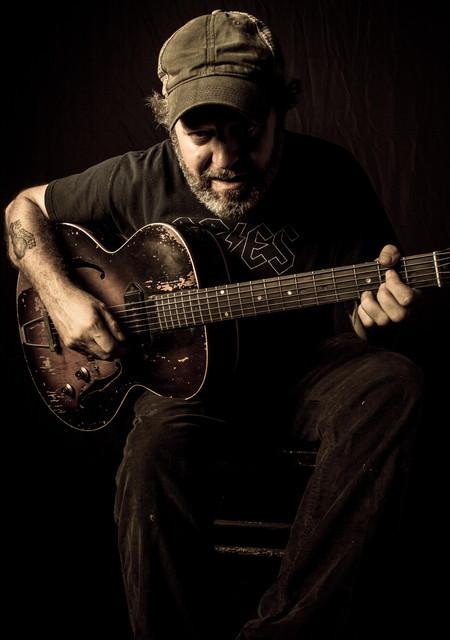
William Elliott Whitmore’s Spotify BioWith a voice that sounds like the reincarnation of a gospel preacher from the 1920s, and possessing a fitting fascination with sin, death, and redemption, William Elliott Whitmore's songs are steeped in the raw, naturalistic sound of country-blues, gospel shouts, and field hollers as documented by musicologists with portable recording gear in the '30s and '40s. His songs are delivered with the raw energy and emotional immediacy of punk, which befits an artist who cut his teeth on the fringes of the hardcore movement. Beginning with his 2003 debut, Hymns for the Hopeless, Whitmore's ragged-but-right vocals and sturdy guitar and banjo work captured a link between the roots of American music and the independent spirit of the contemporary Americana scene. He signed to Anti- for 2009's Animals in the Dark and delivered three acclaimed albums for the label, the last of which, 2015's Radium Death, saw him switching gears by employing a full band. He launched his own label to issue 2024's… typically dark-hued Silently, The Mind Breaks.
William Elliott Whitmore was born in Lee County, Iowa, on May 11, 1978. The youngest of three siblings, he grew up on a 150-acre horse farm that his parents ran, which had been in the family for three generations. Whitmore's parents were both musical -- his father played the guitar and his mother was proficient on piano and accordion, while his grandfathers on both sides played banjo. His folks were big fans of Johnny Cash, Hank Williams, Willie Nelson, and Charley Pride, and in his early teens he started learning guitar and banjo, getting his start playing as a duo with his cousin a few years later.
After spending some time in California, Whitmore settled in Iowa City, where he got turned on to punk rock and started a band called Lost Cause. Later, he began touring with an Iowa City hardcore band called Ten Grand; he was their roadie and would open their shows with his banjo and intense blues- and gospel-informed songs. Whitmore was opening a show for Ten Grand in Chicago when a representative of Southern Records came by to scout the band and was impressed with the opening act. Southern soon signed Whitmore, and his first album, Hymns for the Hopeless, was released in 2003. By this time, Whitmore and his siblings had converted the farm to grow row crops, making it easier for them to tend to the land while he was on the road.
After touring steadily behind the debut album, Whitmore issued his second long-player, Ashes to Dust, via Southern in 2005. The same year, he released an EP titled W.E.W for the British Latitudes label. After cutting a third album for Southern, the critically lauded 2006 effort Song of the Blackbird, and several rounds of touring, Whitmore struck a deal with the artist-friendly indie label Anti-, attracted in part by the label's roots in punk. (It was founded by Brett Gurewitz of the band Bad Religion, who also runs Epitaph Records.) Whitmore's first album for Anti- was 2009's Animals in the Dark, in which he explored more contemporary themes without abandoning his musical signatures. Anti-'s better distribution and greater promotional push helped him expand his following, and after Field Songs arrived in 2011, he set out on a tour with Low Anthem and James Vincent McMorrow before heading out again as a headliner.
For his next album, Whitmore teamed with producer Luke Tweedy and filled out his tunes with a band; the result was Radium Death, which Anti- released in 2015. Whitmore toured in support with a band, but due to his musicians' other commitments, he continued to do solo gigs as well. The record proved to be his last for Anti-, and he next found a home at the "insurgent country" label Bloodshot Records. Whitmore's first Bloodshot release, 2018's Kilonova, was comprised entirely of material from other songwriters, including tunes by Johnny Cash, ZZ Top, Bill Withers, and Captain Beefheart. Whitmore returned to songwriting for 2020's I'm with You, a collection of songs dominated by themes of family and friendship. After Bloodshot Records experienced financial problems that temporarily shuttered the label, Whitmore struck out on his own, forming his own imprint, Whitmore Records, to release his next recording project. 2024's Silently, The Mind Breaks found him once again working with producer Luke Tweedy, delivering ten songs concerning the dark side of fate with spare, atmospheric arrangements. ~ Mark Deming, Rovi
Viberate is a music analytics platform built for A&Rs, artist managers, labels, booking agents, marketers, and artists.
It helps music professionals track artist growth, analyze audience data, monitor playlist activity, compare artists, follow song performance, and identify opportunities across the music market.
Public artist pages provide a free preview of selected artist data. Paid plans provide access to deeper analytics, historical data, charts, comparisons, playlist tools, exports, alerts, reports, and additional professional features.
Yes. Public Viberate artist pages provide selected artist analytics and music data for free.
Viberate also offers a 7-day free trial of the full platform. A credit card is required to start the trial. The trial includes access to the complete product so users can test deeper artist analytics, historical views, playlist insights, comparisons, charts, exports, alerts, and reporting features before choosing a paid plan.
Viberate provides artist analytics across streaming, playlists, social media, video, radio airplay, songs, and audience markets.
Users can analyze Spotify performance, Spotify and Apple Music playlists, YouTube activity, TikTok and Instagram growth, radio spins, song performance, audience locations, demographics, rankings, and overall artist momentum.
Artist profiles also connect to music charts, similar artists, and comparison tools, helping users benchmark performance and evaluate artists in context.
Viberate updates key artist and track data daily.
For followed artists and tracks, selected data is refreshed multiple times per day. This helps teams monitor playlist changes, streaming movement, audience growth, releases, and campaign performance with more current data.
Update frequency can vary depending on the metric and data source.
Yes. Viberate lets users compare up to five artists side by side across streaming, social media, audience, and engagement metrics.
Users can compare fanbase growth, audience demographics, locations, Spotify performance, social metrics, and other artist data over selected time periods.
Artist comparison can be used for A&R scouting, benchmarking, booking decisions, campaign planning, and evaluating artists with similar audiences or market positions.