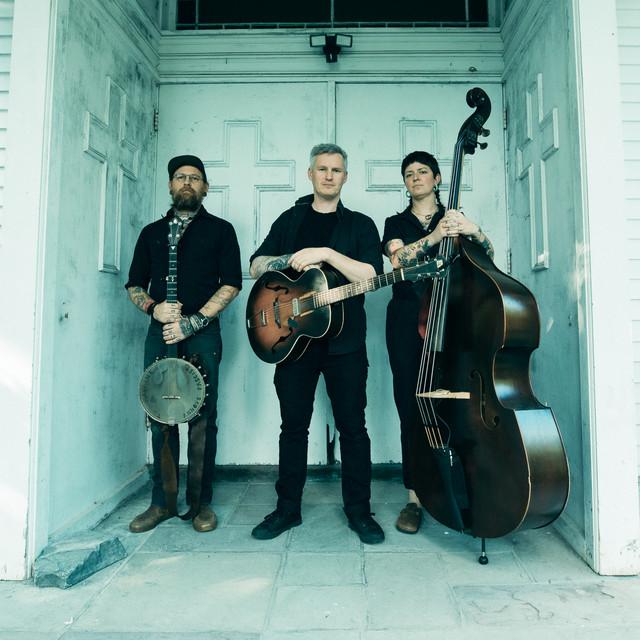
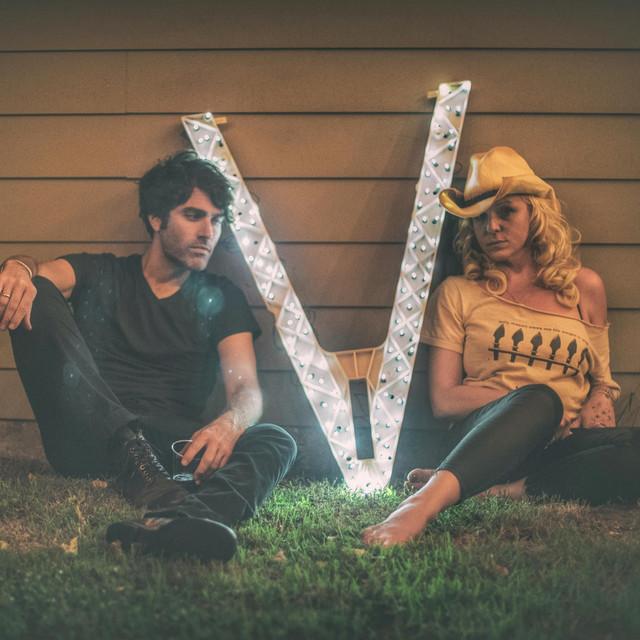
Brown Bird

Rock
Folk Rock
Americana/Alt Country
 Viberate Rank: 82560
 Viberate Rank: 82560
 Monthly ListenersFollowers
 Subscribers
 Followers
 Followers
 FansTop Spotify Songs
| Track | 7-Day Streams | |
|---|---|---|
1 | 49.94K | |
2 | 35.40K | |
3 | 27.91K | |
4 | 14.80K | |
5 | 14.16K |
Top YouTube VideosMonthly ListenersFeatured in Playlists| Playlist | Followers | |
|---|---|---|
1 |  Swagger Spotify | 1.36M |
2 |  Southern Gothic Spotify | 824.96K |
3 |  Roots Revival Spotify | 599.93K |
4 |  Spooky Banjo Time Pawns or Kings | 213.07K |
5 |  Cinematic Indie Folk Spotify | 157.72K |
Audience| City | Monthly Listeners | |
|---|---|---|
1 | | 3.15K |
2 | | 2.99K |
3 | | 2.98K |
4 | | 2.43K |
5 | | 2.38K |
See full performance history, audience data, playlist activity, rankings, comparisons, and more in Viberate music analytics. Start with a free trial, then continue with a paid plan.
Brown Bird’s Spotify BioBrown Bird is a love story.
It was July 2008 when the paths of Dave Lamb and MorganEve Swain, touring independently up the East Coast, converged. One week later the two were sharing a home, a heart and a band name.
Musically, Lamb consistently bent the boundaries of the genres imposed on him, challenging his abilities as a performer and writer and always determined to produce the best music he could. Swain likewise expanded from violin to cello, upright bass, viola and electric bass in her years with Lamb. Naturally genre-defying, Brown Bird pulled inspiration from the music they loved— Middle-Eastern 1960s psych-rock, post-metal, the music of the Balkan Romani— and paired it with lyrics that illustrated and questioned the world around them.
Lamb began writing as Brown Bird in 2003. The band underwent several personnel changes, existing as a quintet and a trio before settling as a duo, and released 6 full-length records in its decade of existence.
In May 2013, touring in support of Fits of… Reason, Lamb was diagnosed with leukemia. He received a successful bone marrow transplant and during a year-long recovery confined to their RI home, the couple delved into writing and demoing new songs.
In March 2014 Dave Lamb suffered an aggressive leukemic relapse. On April 5th 2014, his body let go, surrounded by family, friends and music.
One year later, MorganEve released Brown Bird’s final effort, Axis Mundi (Supply&Demand).
She now fronts The Huntress and Holder of Hands
Viberate is a music analytics platform built for A&Rs, artist managers, labels, booking agents, marketers, and artists.
It helps music professionals track artist growth, analyze audience data, monitor playlist activity, compare artists, follow song performance, and identify opportunities across the music market.
Public artist pages provide a free preview of selected artist data. Paid plans provide access to deeper analytics, historical data, charts, comparisons, playlist tools, exports, alerts, reports, and additional professional features.
Yes. Public Viberate artist pages provide selected artist analytics and music data for free.
Viberate also offers a 7-day free trial of the full platform. A credit card is required to start the trial. The trial includes access to the complete product so users can test deeper artist analytics, historical views, playlist insights, comparisons, charts, exports, alerts, and reporting features before choosing a paid plan.
Viberate provides artist analytics across streaming, playlists, social media, video, radio airplay, songs, and audience markets.
Users can analyze Spotify performance, Spotify and Apple Music playlists, YouTube activity, TikTok and Instagram growth, radio spins, song performance, audience locations, demographics, rankings, and overall artist momentum.
Artist profiles also connect to music charts, similar artists, and comparison tools, helping users benchmark performance and evaluate artists in context.
Viberate updates key artist and track data daily.
For followed artists and tracks, selected data is refreshed multiple times per day. This helps teams monitor playlist changes, streaming movement, audience growth, releases, and campaign performance with more current data.
Update frequency can vary depending on the metric and data source.
Yes. Viberate lets users compare up to five artists side by side across streaming, social media, audience, and engagement metrics.
Users can compare fanbase growth, audience demographics, locations, Spotify performance, social metrics, and other artist data over selected time periods.
Artist comparison can be used for A&R scouting, benchmarking, booking decisions, campaign planning, and evaluating artists with similar audiences or market positions.