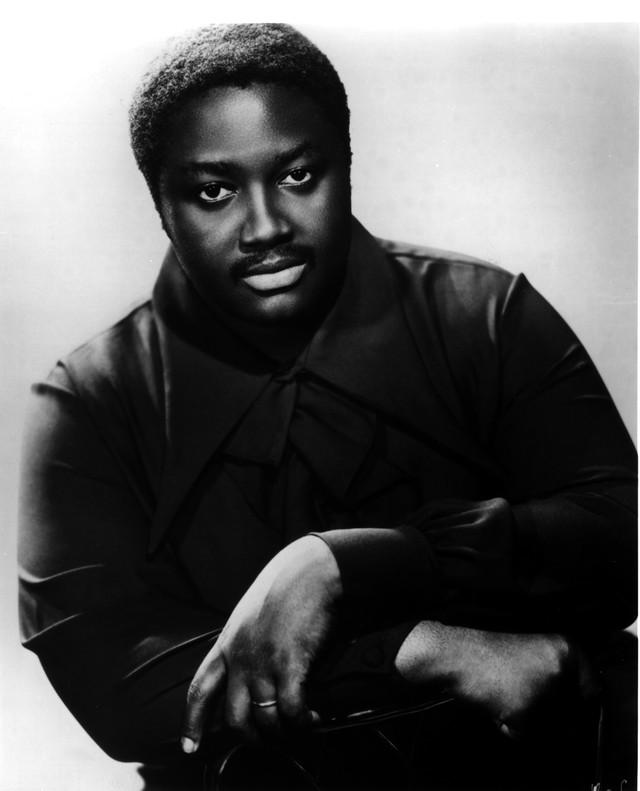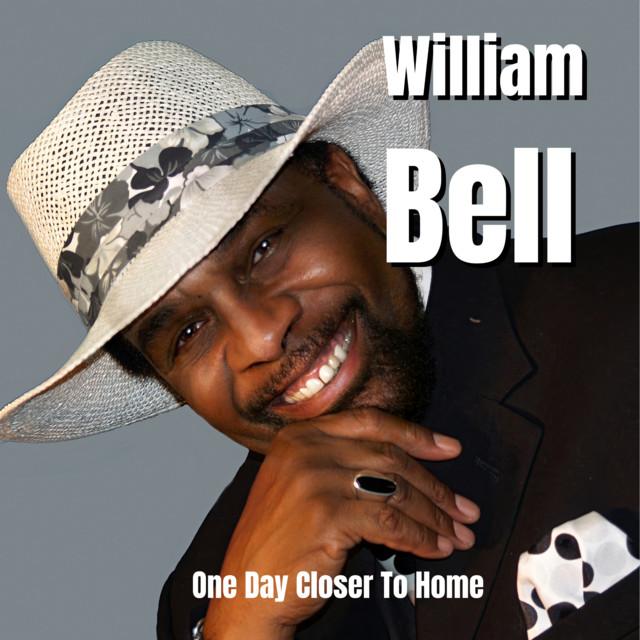
William Bell

R&B
Soul
Funk
Contemporary R&B
 Viberate Rank: 51179
 Viberate Rank: 51179
 Monthly ListenersFollowers
 Subscribers
 Followers
 Followers
 FansTop Spotify Songs
| Track | 7-Day Streams | |
|---|---|---|
1 | 137.47K | |
2 | 30.21K | |
3 | 20.58K | |
4 | 4.39K | |
5 | 4.00K |
Top YouTube Videos| Video | 7-Day Views | |
|---|---|---|
1 | 15.71K | |
2 | 3.73K | |
3 | 1.07K | |
4 | 723 | |
5 | 625 |
Monthly ListenersFeatured in Playlists| Playlist | Followers | |
|---|---|---|
1 |  The Black Power Mixtape 1967–1975 Spotify | 834.24K |
2 |  jazz bar in nyc🎷 mishelle | 454.59K |
3 |  XO, Kitty Official Playlist Spotify | 304.49K |
4 |  70s R&B/Soul - The Golden Era Raul Gabriel - Music | 159.69K |
5 |  Whiskey Blues 🥃 Тhe Original | The Best Slow Blues / Blues Rock Don's Tunes | 85.92K |
Audience| City | Monthly Listeners | |
|---|---|---|
1 |  | 10.85K |
2 | | 5.95K |
3 | | 4.99K |
4 |  | 4.26K |
5 | | 4.02K |
See full performance history, audience data, playlist activity, rankings, comparisons, and more in Viberate music analytics. Start with a free trial, then continue with a paid plan.
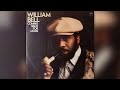
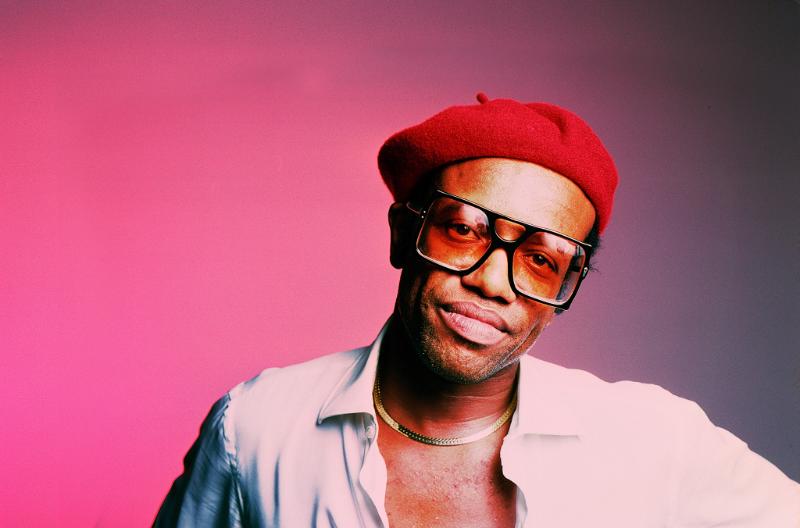
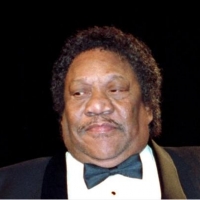
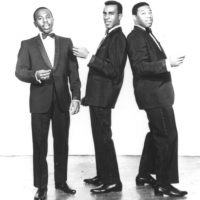
William Bell’s Spotify BioA principal architect of the Stax/Volt sound, singer/composer William Bell remains best known for his classic "You Don't Miss Your Water," one of the quintessential soul records to emerge from the Memphis scene. Born William Yarbrough on July 16, 1939, he cut his teeth backing Rufus Thomas, and in 1957 recorded his first sides as a member of the Del Rios. After joining the Stax staff as a writer, Bell made his solo debut in 1961 with the self-penned "You Don't Miss Your Water," an archetypal slice of country-soul and one of the label's first big hits. A two-year Armed Forces stint effectively derailed his career, however, and he did not release his first full-length album, The Soul of a Bell, until 1967, generating a Top 20 hit with the single "Everybody Loves a Winner." That same year, Albert King also scored with another classic Bell composition, the oft-covered "Born Under a Bad Sign."
Bell's next solo hit, 1968's "A Tribute to a King," was a poignant farewell to the late Otis… Redding; the R&B Top Ten hit "I Forgot to Be Your Lover" soon followed, and a series of duets with Judy Clay, most notably "Private Number," also earned airplay. In 1969, he relocated to Atlanta and set up his own label, Peachtree. The hits dried up as the next decade dawned, but in 1977, Bell capped a major comeback with "Trying to Love Two," which topped the R&B charts. In 1985, he founded another label, Wilbe, and issued Passion, which found its most receptive audiences in the U.K. (although "I Don't Want to Wake Up Feeling Guilty," a duet with Janice Bullock, was a minor U.S. hit).
Bell was inducted into the Georgia Music Hall of Fame in 1987, and that same year saw him receiving the Rhythm & Blues Foundation's R&B Pioneer Award. He continued to release LPs, including 1989's On a Roll and 1992's Bedtime Stories. Starting in 1992, Bell took a lengthy hiatus from the recording studio, though he still performed regularly. In 2000, he released an album of all-new material on Wilbe entitled A Portrait Is Forever and followed it six years later with New Lease on Life. In between those releases, he was honored with the 2003 W.C. Handy Heritage Award. In 2016, Bell teamed with the reactivated Stax Records label to release a new album. Produced by John Leventhal, This Is Where I Live featured Bell performing a batch of new songs, along with a fresh recording of "Born Under a Bad Sign." ~ Jason Ankeny
Viberate is a music analytics platform built for A&Rs, artist managers, labels, booking agents, marketers, and artists.
It helps music professionals track artist growth, analyze audience data, monitor playlist activity, compare artists, follow song performance, and identify opportunities across the music market.
Public artist pages provide a free preview of selected artist data. Paid plans provide access to deeper analytics, historical data, charts, comparisons, playlist tools, exports, alerts, reports, and additional professional features.
Yes. Public Viberate artist pages provide selected artist analytics and music data for free.
Viberate also offers a 7-day free trial of the full platform. A credit card is required to start the trial. The trial includes access to the complete product so users can test deeper artist analytics, historical views, playlist insights, comparisons, charts, exports, alerts, and reporting features before choosing a paid plan.
Viberate provides artist analytics across streaming, playlists, social media, video, radio airplay, songs, and audience markets.
Users can analyze Spotify performance, Spotify and Apple Music playlists, YouTube activity, TikTok and Instagram growth, radio spins, song performance, audience locations, demographics, rankings, and overall artist momentum.
Artist profiles also connect to music charts, similar artists, and comparison tools, helping users benchmark performance and evaluate artists in context.
Viberate updates key artist and track data daily.
For followed artists and tracks, selected data is refreshed multiple times per day. This helps teams monitor playlist changes, streaming movement, audience growth, releases, and campaign performance with more current data.
Update frequency can vary depending on the metric and data source.
Yes. Viberate lets users compare up to five artists side by side across streaming, social media, audience, and engagement metrics.
Users can compare fanbase growth, audience demographics, locations, Spotify performance, social metrics, and other artist data over selected time periods.
Artist comparison can be used for A&R scouting, benchmarking, booking decisions, campaign planning, and evaluating artists with similar audiences or market positions.