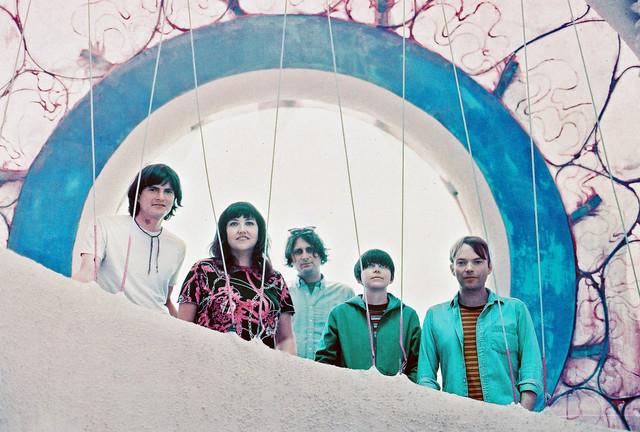
White Williams

Rock
Indie Rock
 Viberate Rank: 574262
 Viberate Rank: 574262
 Monthly ListenersFollowers
 Subscribers
 Followers
 Followers
 FansTop Spotify Songs
| Track | 7-Day Streams | |
|---|---|---|
1 | 344 | |
2 | 68 | |
3 | 24 | |
4 | 16 | |
5 | 15 |
Top YouTube VideosMonthly ListenersFeatured in Playlists| Playlist | Followers | |
|---|---|---|
1 |  underground indie rock but it’s actually underground Traintle | 15.29K |
2 |  This Was Indie Sleaze 2002-2008 Matthew Perpetua | 12.77K |
3 |  Indie Sleaze 🎧 indiesleaze | 10.73K |
4 | space rock & psychedelia Edson Alejandro Adame | 8.05K |
5 | I heard it on Marketplace marketplaceapm | 5.01K |
Audience| City | Monthly Listeners | |
|---|---|---|
1 | | 54 |
2 | | 31 |
3 | | 26 |
4 | | 21 |
5 | | 20 |
See full performance history, audience data, playlist activity, rankings, comparisons, and more in Viberate music analytics. Start with a free trial, then continue with a paid plan.
White Williams’ Spotify BioUnder the pseudonym White Williams, singer, multi-instrumentalist, and graphic designer Joe Williams makes playful, fractured art pop that borrows from glam rock's strutting cool and electronic mischief-making. In 1999, Williams was a drummer in a Cleveland, Ohio-based noise band who also played gigs with Black Dice and the Rapture; however, Williams eventually decided to take his music in a more electronic direction. In 2001, he formed So Red, a project that became part of a scene of artists that included Girl Talk's Gregg Gillis and Drop the Lime's Luca Venezia. As Williams toured with Girl Talk, his music evolved once again, this time incorporating more pop structures, more vocals, and an emphasis on drums, keyboard, and guitar. While working on his music, Williams also pursued an M.F.A. in graphic design, and he moved between Cleveland, Cincinnati, New York, and San Francisco over the course of the two years he spent recording his debut album, Smoke. The Tigerbeat6 label released… his debut in late 2007, and Double Six Records reissued the album in April 2008. ~ Heather Phares, Rovi
Viberate is a music analytics platform built for A&Rs, artist managers, labels, booking agents, marketers, and artists.
It helps music professionals track artist growth, analyze audience data, monitor playlist activity, compare artists, follow song performance, and identify opportunities across the music market.
Public artist pages provide a free preview of selected artist data. Paid plans provide access to deeper analytics, historical data, charts, comparisons, playlist tools, exports, alerts, reports, and additional professional features.
Yes. Public Viberate artist pages provide selected artist analytics and music data for free.
Viberate also offers a 7-day free trial of the full platform. A credit card is required to start the trial. The trial includes access to the complete product so users can test deeper artist analytics, historical views, playlist insights, comparisons, charts, exports, alerts, and reporting features before choosing a paid plan.
Viberate provides artist analytics across streaming, playlists, social media, video, radio airplay, songs, and audience markets.
Users can analyze Spotify performance, Spotify and Apple Music playlists, YouTube activity, TikTok and Instagram growth, radio spins, song performance, audience locations, demographics, rankings, and overall artist momentum.
Artist profiles also connect to music charts, similar artists, and comparison tools, helping users benchmark performance and evaluate artists in context.
Viberate updates key artist and track data daily.
For followed artists and tracks, selected data is refreshed multiple times per day. This helps teams monitor playlist changes, streaming movement, audience growth, releases, and campaign performance with more current data.
Update frequency can vary depending on the metric and data source.
Yes. Viberate lets users compare up to five artists side by side across streaming, social media, audience, and engagement metrics.
Users can compare fanbase growth, audience demographics, locations, Spotify performance, social metrics, and other artist data over selected time periods.
Artist comparison can be used for A&R scouting, benchmarking, booking decisions, campaign planning, and evaluating artists with similar audiences or market positions.