Nurses

Rock
Indie Rock
Indie Pop
 Viberate Rank: 307876
 Viberate Rank: 307876
 Monthly ListenersFollowers
 Subscribers
 Followers
 Followers
 FansTop Spotify Songs
| Track | 7-Day Streams | |
|---|---|---|
1 | 454 | |
2 | 342 | |
3 | 95 | |
4 | 73 | |
5 | 57 |
Top YouTube VideosMonthly ListenersFeatured in Playlists| Playlist | Followers | |
|---|---|---|
1 |  Heard by Tesla Tesla | 47.63K |
2 |  Coding Programming Hacking Slashing Techno Tim | 19.79K |
3 | I Diari Della Bicicletta Spotify Italia | 17.70K |
4 |  The Vampire Diaries (season 1-8) Nicole Evelyn Guyumjian | 11.94K |
5 | The Vampire Diaries Season 3 Playlist The CW | 8.97K |
Audience| City | Monthly Listeners | |
|---|---|---|
1 | | 68 |
2 | | 65 |
3 | | 60 |
4 | | 60 |
5 | | 52 |
See full performance history, audience data, playlist activity, rankings, comparisons, and more in Viberate music analytics. Start with a free trial, then continue with a paid plan.
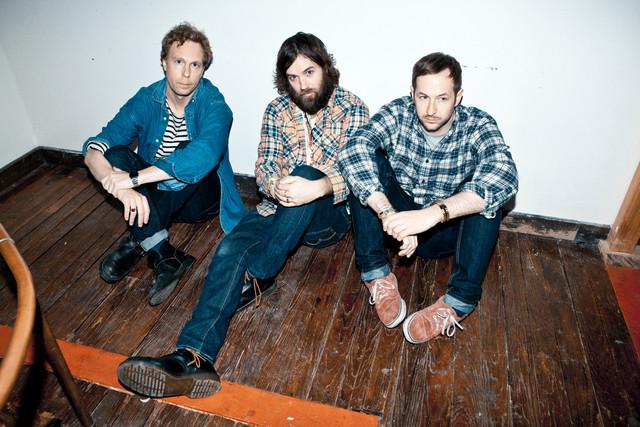
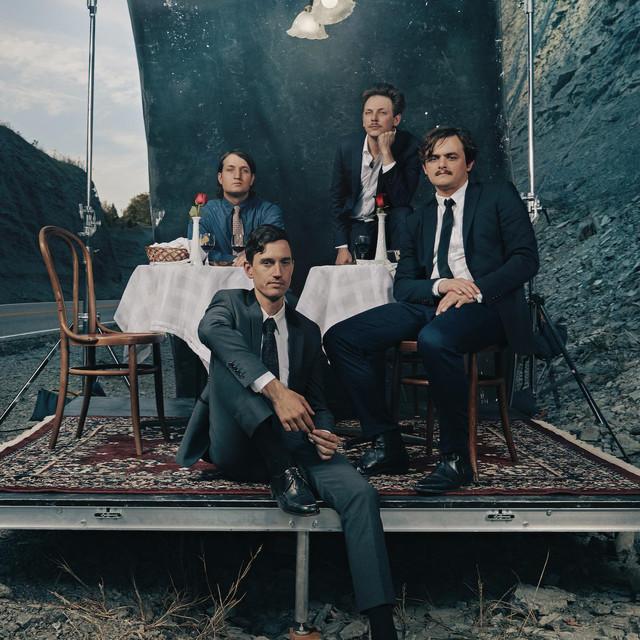
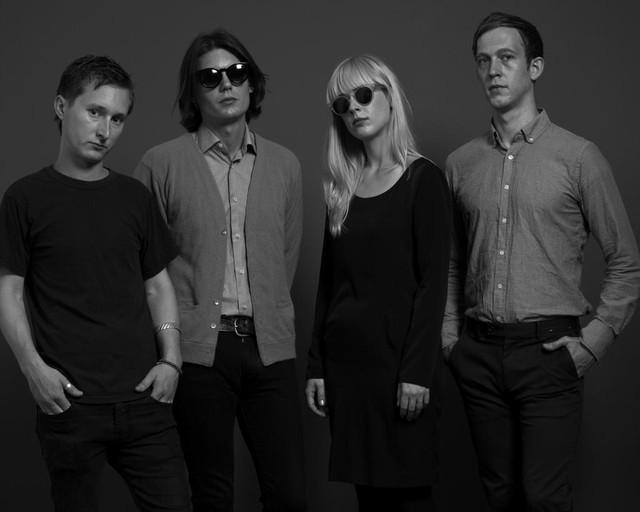
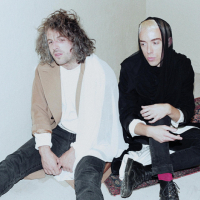
Nurses’ Spotify BioThe members of indie art rock band Nurses had known each other since elementary school and finally put Nurses together around 2004. On a whim, they moved from their hometown in Idaho to California. In 2006 they recorded in San Diego with producer Jason Cupp (the Elected, Finch) and self-released Hangin' Nothin' But Our Hands Down. The lineup as of spring 2007 consisted of Aaron Chapman (vocals, guitar, piano), John Bowers (guitar, piano, vocals), Bobby Bolton (drums, vocals), and Charlie Bolton (bass, vocals). However, for their 2009 Dead Oceans debut Apple's Acre -- which was recorded on a laptop -- the group pared down to the core duo of Bowers and Chapman. Nurses expanded their sound and lineup on 2011' s Dracula, adding member James Mitchell to the fold and recording in a studio they built in an Oregon cabin. ~ Kenyon Hopkin, Rovi
Viberate is a music analytics platform built for A&Rs, artist managers, labels, booking agents, marketers, and artists.
It helps music professionals track artist growth, analyze audience data, monitor playlist activity, compare artists, follow song performance, and identify opportunities across the music market.
Public artist pages provide a free preview of selected artist data. Paid plans provide access to deeper analytics, historical data, charts, comparisons, playlist tools, exports, alerts, reports, and additional professional features.
Yes. Public Viberate artist pages provide selected artist analytics and music data for free.
Viberate also offers a 7-day free trial of the full platform. A credit card is required to start the trial. The trial includes access to the complete product so users can test deeper artist analytics, historical views, playlist insights, comparisons, charts, exports, alerts, and reporting features before choosing a paid plan.
Viberate provides artist analytics across streaming, playlists, social media, video, radio airplay, songs, and audience markets.
Users can analyze Spotify performance, Spotify and Apple Music playlists, YouTube activity, TikTok and Instagram growth, radio spins, song performance, audience locations, demographics, rankings, and overall artist momentum.
Artist profiles also connect to music charts, similar artists, and comparison tools, helping users benchmark performance and evaluate artists in context.
Viberate updates key artist and track data daily.
For followed artists and tracks, selected data is refreshed multiple times per day. This helps teams monitor playlist changes, streaming movement, audience growth, releases, and campaign performance with more current data.
Update frequency can vary depending on the metric and data source.
Yes. Viberate lets users compare up to five artists side by side across streaming, social media, audience, and engagement metrics.
Users can compare fanbase growth, audience demographics, locations, Spotify performance, social metrics, and other artist data over selected time periods.
Artist comparison can be used for A&R scouting, benchmarking, booking decisions, campaign planning, and evaluating artists with similar audiences or market positions.