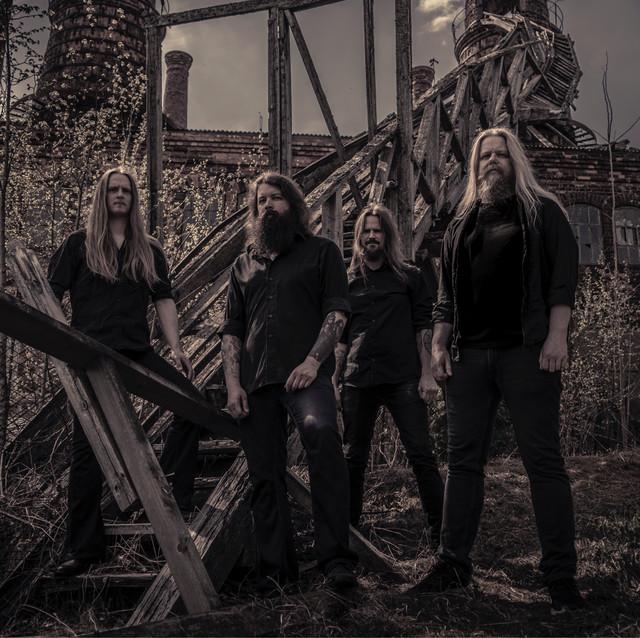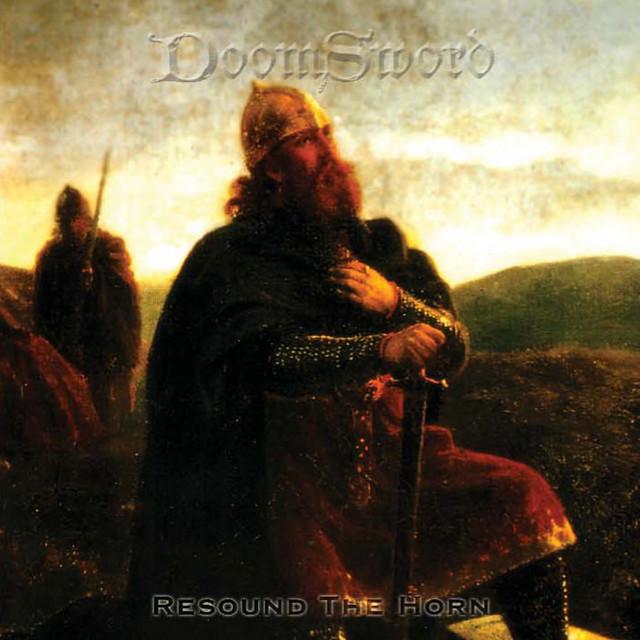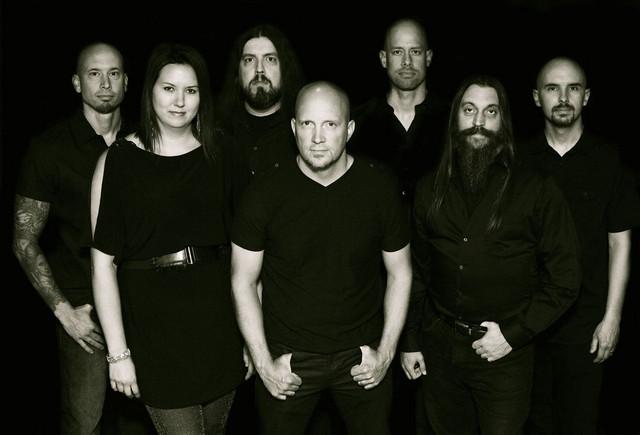
While Heaven Wept

Metal
Progressive Metal
Power Metal
Doom/Sludge Metal
 Viberate Rank: 252239
 Viberate Rank: 252239
 Monthly ListenersFollowers
 Subscribers
 Followers
 Followers
 FansTop Spotify Songs
| Track | 7-Day Streams | |
|---|---|---|
1 | 250 | |
2 | 181 | |
3 | 100 | |
4 | 98 | |
5 | 92 |
Top YouTube Videos| Video | 7-Day Views | |
|---|---|---|
1 | 99 | |
2 | 59 | |
3 | 50 | |
4 | 40 | |
5 | 32 |
Monthly ListenersFeatured in Playlists| Playlist | Followers | |
|---|---|---|
1 |  Ultimate Doom Metal Loudwire | 45.65K |
2 | /r/Listentothis 2018 Rodrigo MG | 7.55K |
3 | Gothic Doom Draconian | 4.99K |
4 | Doom Metal / Death Doom Metal / Funeral Doom Metal 1121479704 | 3.25K |
5 |  Epic Doom Metal Anthem | 2.54K |
Audience| City | Monthly Listeners | |
|---|---|---|
1 |  | 25 |
2 |  | 23 |
3 |  | 19 |
4 |  | 19 |
5 |  | 17 |
See full performance history, audience data, playlist activity, rankings, comparisons, and more in Viberate music analytics. Start with a free trial, then continue with a paid plan.
While Heaven Wept’s Spotify BioA long-running epic doom-metal group with a propensity toward ornate, classical-influenced arrangements, Virginia's While Heaven Wept was founded in 1989 by vocalist, guitarist, and sole constant member Tom Phillips. The band elicited acclaim in the metal underground for 2003's Of Empires Forlorn and 2009's Vast Oceans Lachrymose, the latter of which adopted a more muscular and progressive style. Subsequent efforts Fear of Infinity (2011) and Suspended at Aphelion (2014) continued to explore metal sub-genres, weaving elements of thrash and darkwave into the group's mournful and expansive Baroque-doom sound.
The concept for While Heaven Wept started brewing in late 1989. It wasn't until five years later, though, that Tom Phillips (vocals, guitars, keyboards), Gabe Funston (bass), and Jon Paquin (drums) recorded Lovesongs of the Forsaken -- the group's first EP of despondent, classic doom. Unable to complete a follow-up album to his satisfaction, Phillips briefly worked with British… doomsters Solstice before revitalizing While Heaven Wept and finalizing 1998's Sorrow of the Angels LP. Chapter One: 1989-1999 -- a career retrospective on double vinyl -- was issued in 2002, setting the stage for 2003's well-received Of Empires Forlorn, which achieved a new low in melancholy with its orchestrated take on doom metal.
While Heaven Wept's sophomore long-player, 2009's acclaimed Vast Oceans Lachrymose, took a bolder, more progressive approach to the genre, an attitude the band explored further on their first outing for Nuclear Blast, 2011's potent and complex Fear of Infinity. 2014's ambitious Suspended at Aphelion saw the band deliver a concept album composed of one song with 11 movements. In 2019 the band celebrated its 30th Anniversary with a series of European festival appearances and a seasoned lineup comprised of past and present members of Altura, Solstice, Twisted Tower Dire, Revelation, October 31, and Brave, among others. ~ James Christopher Monger, Rovi
Viberate is a music analytics platform built for A&Rs, artist managers, labels, booking agents, marketers, and artists.
It helps music professionals track artist growth, analyze audience data, monitor playlist activity, compare artists, follow song performance, and identify opportunities across the music market.
Public artist pages provide a free preview of selected artist data. Paid plans provide access to deeper analytics, historical data, charts, comparisons, playlist tools, exports, alerts, reports, and additional professional features.
Yes. Public Viberate artist pages provide selected artist analytics and music data for free.
Viberate also offers a 7-day free trial of the full platform. A credit card is required to start the trial. The trial includes access to the complete product so users can test deeper artist analytics, historical views, playlist insights, comparisons, charts, exports, alerts, and reporting features before choosing a paid plan.
Viberate provides artist analytics across streaming, playlists, social media, video, radio airplay, songs, and audience markets.
Users can analyze Spotify performance, Spotify and Apple Music playlists, YouTube activity, TikTok and Instagram growth, radio spins, song performance, audience locations, demographics, rankings, and overall artist momentum.
Artist profiles also connect to music charts, similar artists, and comparison tools, helping users benchmark performance and evaluate artists in context.
Viberate updates key artist and track data daily.
For followed artists and tracks, selected data is refreshed multiple times per day. This helps teams monitor playlist changes, streaming movement, audience growth, releases, and campaign performance with more current data.
Update frequency can vary depending on the metric and data source.
Yes. Viberate lets users compare up to five artists side by side across streaming, social media, audience, and engagement metrics.
Users can compare fanbase growth, audience demographics, locations, Spotify performance, social metrics, and other artist data over selected time periods.
Artist comparison can be used for A&R scouting, benchmarking, booking decisions, campaign planning, and evaluating artists with similar audiences or market positions.