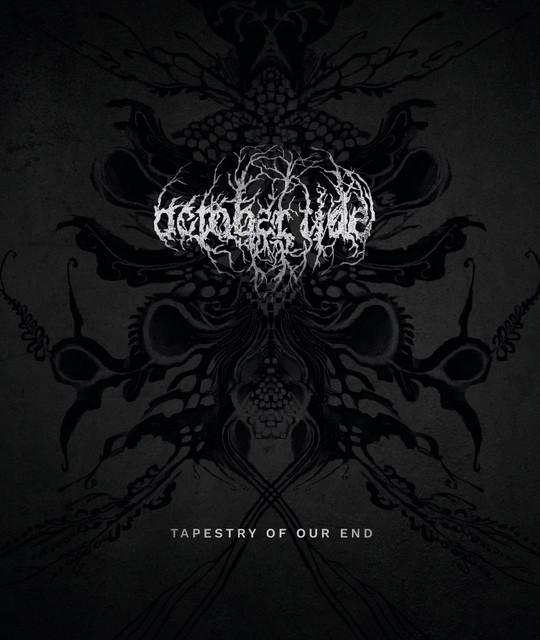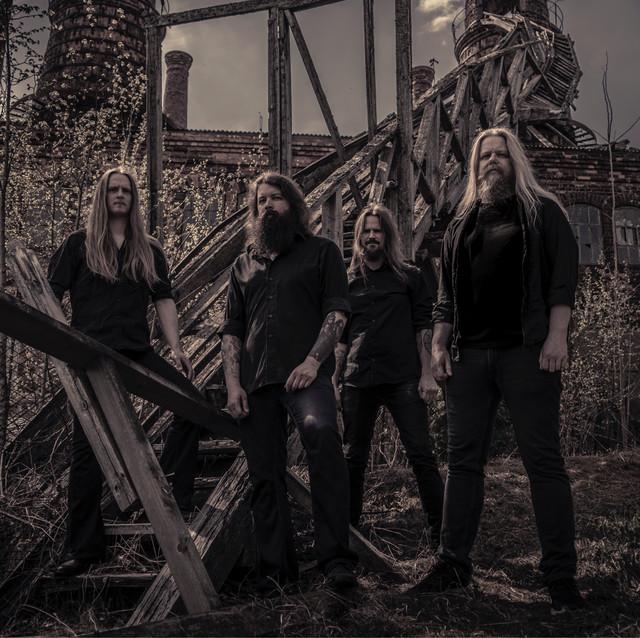
Isole

Metal
Doom/Sludge Metal
Progressive Metal
 Viberate Rank: 265306
 Viberate Rank: 265306
 Monthly ListenersFollowers
 Subscribers
 Followers
 Followers
 FansTop Spotify Songs
| Track | 7-Day Streams | |
|---|---|---|
1 | 323 | |
2 | 248 | |
3 | 239 | |
4 | 109 | |
5 | 78 |
Top YouTube VideosMonthly ListenersFeatured in Playlists| Playlist | Followers | |
|---|---|---|
1 | Doom Metal Holger Ihrig | 60.08K |
2 |  Ultimate Doom Metal Loudwire | 45.65K |
3 |  Gothic / Dark / Doom Metal x505Metalheadx | 5.38K |
4 |  Best of Doom Metal Dr. Doom | 4.29K |
5 |  Constantine Soundtrack's Machado Halloween 🎃 | 3.26K |
Audience| City | Monthly Listeners | |
|---|---|---|
1 |  | 45 |
2 |  | 35 |
3 |  | 34 |
4 |  | 29 |
5 |  | 28 |
See full performance history, audience data, playlist activity, rankings, comparisons, and more in Viberate music analytics. Start with a free trial, then continue with a paid plan.
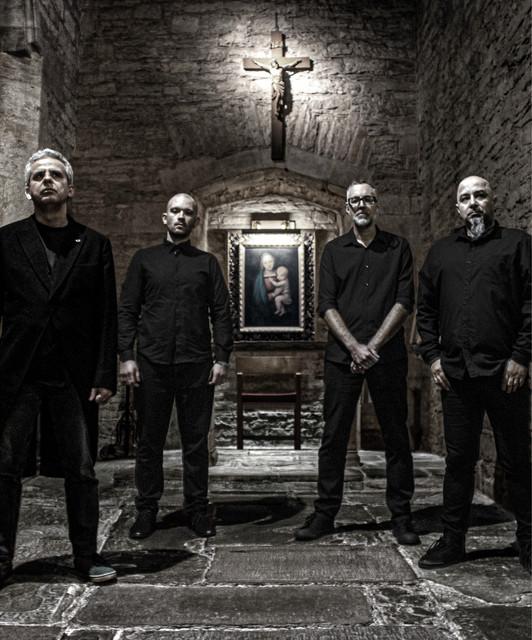
Isole’s Spotify BioFormed under the name FORLORN in 1990 with two sole members; Crister Olsson and Daniel Bryntse. After years of turmoil, in which the band recorded several demo tapes and suffered a myriad of line-up changes, I Hate Records approached them in 2003. The band saw it fit to adopt a new moniker; ISOLE.
FOREVERMORE was released in 2005 and followed up with a 7″ THE BEYOND in early 2006. Isole now had a steady line-up with the addition of Jonas Lindström on drums and Henrik Lindenmo on bass. The next album, THRONE OF VOID delivered an even darker sound than it’s critically acclaimed predecessor.
The band then signed with Napalm Records and released BLISS OF SOLITUDE. The album received overwhelming positive feedback from fans and critics alike; however, Isole did not fall prey to idleness and continuously worked on new material for their fourth album, SILENT RUINS.
After releasing four albums in four years they decided to focus on playing live in order to gain some perspective. After touring in… 10+ countries, the band unleashed BORN FROM SHADOWS in 2011. Then Henrik left and Jimmy Mattsson joined.
3 years later they began working with Cyclone Empire which resulted in the slightly more progressive THE CALM HUNTER. Then Jonas decided to quit the band and Victor Parri joined.
The following years were spent on the road but then in 2017 it all went quiet...
Now the time has come for a new chapter. Allied with Hammerheart Records the new opus DYSTΩPIA was released in 2019.
Viberate is a music analytics platform built for A&Rs, artist managers, labels, booking agents, marketers, and artists.
It helps music professionals track artist growth, analyze audience data, monitor playlist activity, compare artists, follow song performance, and identify opportunities across the music market.
Public artist pages provide a free preview of selected artist data. Paid plans provide access to deeper analytics, historical data, charts, comparisons, playlist tools, exports, alerts, reports, and additional professional features.
Yes. Public Viberate artist pages provide selected artist analytics and music data for free.
Viberate also offers a 7-day free trial of the full platform. A credit card is required to start the trial. The trial includes access to the complete product so users can test deeper artist analytics, historical views, playlist insights, comparisons, charts, exports, alerts, and reporting features before choosing a paid plan.
Viberate provides artist analytics across streaming, playlists, social media, video, radio airplay, songs, and audience markets.
Users can analyze Spotify performance, Spotify and Apple Music playlists, YouTube activity, TikTok and Instagram growth, radio spins, song performance, audience locations, demographics, rankings, and overall artist momentum.
Artist profiles also connect to music charts, similar artists, and comparison tools, helping users benchmark performance and evaluate artists in context.
Viberate updates key artist and track data daily.
For followed artists and tracks, selected data is refreshed multiple times per day. This helps teams monitor playlist changes, streaming movement, audience growth, releases, and campaign performance with more current data.
Update frequency can vary depending on the metric and data source.
Yes. Viberate lets users compare up to five artists side by side across streaming, social media, audience, and engagement metrics.
Users can compare fanbase growth, audience demographics, locations, Spotify performance, social metrics, and other artist data over selected time periods.
Artist comparison can be used for A&R scouting, benchmarking, booking decisions, campaign planning, and evaluating artists with similar audiences or market positions.