Werner Haas

Classical
Classical Crossover
Chamber Music
 Viberate Rank: 376140
 Viberate Rank: 376140
 Monthly ListenersFollowers
 Subscribers
 Followers
 Followers
 FansTop Spotify Songs
| Track | 7-Day Streams | |
|---|---|---|
1 | 2.08K | |
2 | 940 | |
3 | 416 | |
4 | 261 | |
5 | 230 |
Top YouTube VideosMonthly ListenersFeatured in Playlists| Playlist | Followers | |
|---|---|---|
1 | "Clasica" Yesenia Melendez Castellanos | 96.95K |
2 |  rory gilmore mode ☕️ (no lyrics) alelele⋆˚꩜。 | 22.59K |
3 |  ░░░ 60 bpm Baroque & Study | Learning Music Siim | 19.47K |
4 |  dark academia mossmother | 19.28K |
5 |  SoloPiano Antonio Gonzálvez | 11.15K |
Audience| City | Monthly Listeners | |
|---|---|---|
1 |  | 342 |
2 |  | 251 |
3 |  | 231 |
4 |  | 205 |
5 | | 204 |
See full performance history, audience data, playlist activity, rankings, comparisons, and more in Viberate music analytics. Start with a free trial, then continue with a paid plan.
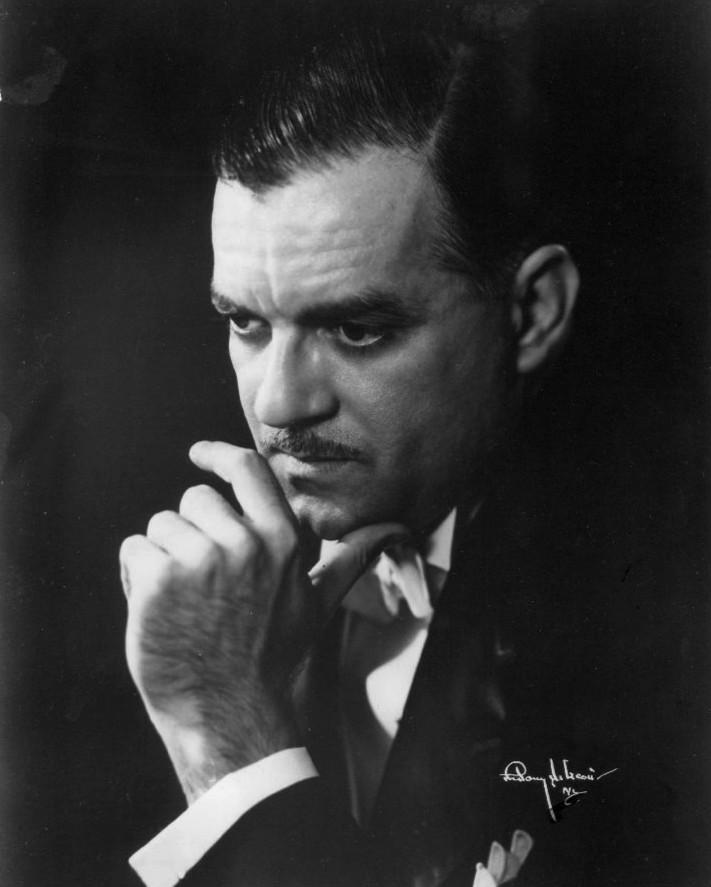
Werner Haas’ Spotify BioWerner Haas was a German pianist especially known for his interpretations of French repertory, particularly the works of Debussy and Ravel. But his performances of music by Chopin and Beethoven were also highly praised and his repertory was quite broad, extending to Prokofiev and Kabalevsky. He was better known in Europe than in the Americas, where he never concertized. His many admirers assert that had his life not been tragically cut short, he would likely have achieved recognition as one of the finest pianists of his time.
Haas was born in Stuttgart on March 3, 1931. He exhibited unusual talent as a young child, though the pianist himself was reluctant to claim he was extraordinarily gifted. Still, he might have developed even sooner but for the exigencies brought on by the war in his homeland. He enrolled at the Stuttgart Academy of Music in 1947, where he took instruction on piano from Lilli Kröber-Asche, who was known for her Mozart interpretations. Shortly after leaving the… Stuttgart Academy in 1954, he traveled to Saarbrücken for two years of study with Walter Gieseking, whose interest in the music of Debussy may well have steered Haas toward the French master's works. It was during this time that he launched his career with a critically well-received recital (1955) in his native Stuttgart. From 1956 on, Haas toured Europe and quickly developed a reputation for his Debussy interpretations. Following a 1958 Paris concert, Philips executive Igor Maslowski signed the pianist to a multi-year contract with his Dutch label. The partnership worked well for both, as evidenced by Haas' numerous discographic successes, including his Debussy complete works edition, which was awarded a Grand Prix du Disque in 1970, and his Ravel recordings, which given an Amsterdam Edison Prize also in 1970.
Though Haas began recording in the late '50s, most of his activity in the studio dates to the 1960s. His 1960 recording of Chopin Waltzes (14) garnered much critical acclaim, even in the United States where it received a rave review in the January 1961 issue of High Fidelity. On tour abroad, he generally drew favorable reviews as well, such as his November 1967 London recital at Wigmore Hall and his July 1970 Milan concert, to name but two. Haas was known to have a broad repertory, but beginning in the latter 1960s, he expanded it to include an even greater range, with works like Prokofiev's Piano Sonata No. 4. Later, he added that master's Sonata No. 2 to his repertory, as well as compositions by other Russian composers, including Kabalevsky and Stravinsky. By the mid-'70s, Haas' career was in full bloom, with appearances in some of the most prestigious concert halls in Europe and turning out recordings that routinely garnered critical acclaim. Like the American pianist William Kapell, however, his career ended abruptly and tragically: Haas was killed on October 11, 1976, in a accident near Nancy, France, when his automobile collided with a truck. Many of the pianist's recordings are still available via reissue, most on the Philips label.
Viberate is a music analytics platform built for A&Rs, artist managers, labels, booking agents, marketers, and artists.
It helps music professionals track artist growth, analyze audience data, monitor playlist activity, compare artists, follow song performance, and identify opportunities across the music market.
Public artist pages provide a free preview of selected artist data. Paid plans provide access to deeper analytics, historical data, charts, comparisons, playlist tools, exports, alerts, reports, and additional professional features.
Yes. Public Viberate artist pages provide selected artist analytics and music data for free.
Viberate also offers a 7-day free trial of the full platform. A credit card is required to start the trial. The trial includes access to the complete product so users can test deeper artist analytics, historical views, playlist insights, comparisons, charts, exports, alerts, and reporting features before choosing a paid plan.
Viberate provides artist analytics across streaming, playlists, social media, video, radio airplay, songs, and audience markets.
Users can analyze Spotify performance, Spotify and Apple Music playlists, YouTube activity, TikTok and Instagram growth, radio spins, song performance, audience locations, demographics, rankings, and overall artist momentum.
Artist profiles also connect to music charts, similar artists, and comparison tools, helping users benchmark performance and evaluate artists in context.
Viberate updates key artist and track data daily.
For followed artists and tracks, selected data is refreshed multiple times per day. This helps teams monitor playlist changes, streaming movement, audience growth, releases, and campaign performance with more current data.
Update frequency can vary depending on the metric and data source.
Yes. Viberate lets users compare up to five artists side by side across streaming, social media, audience, and engagement metrics.
Users can compare fanbase growth, audience demographics, locations, Spotify performance, social metrics, and other artist data over selected time periods.
Artist comparison can be used for A&R scouting, benchmarking, booking decisions, campaign planning, and evaluating artists with similar audiences or market positions.