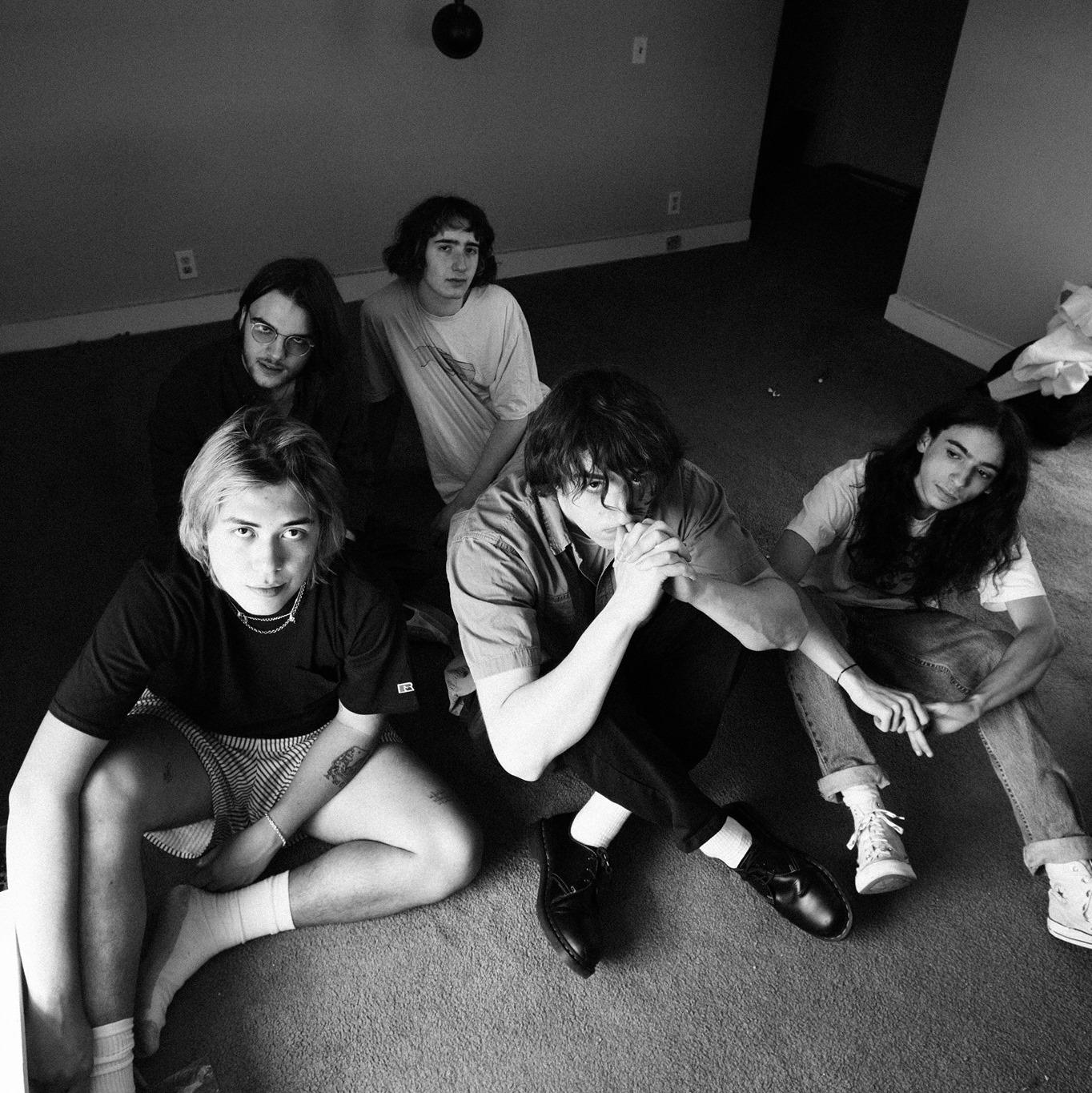
Wednesday

Rock
Indie Rock
Shoegaze
 Viberate Rank: 19721
 Viberate Rank: 19721
 Monthly ListenersFollowers
 Subscribers
 Followers
 Followers
 FansTop Spotify Songs
| Track | 7-Day Streams | |
|---|---|---|
1 | 96.32K | |
2 | 88.68K | |
3 | 47.11K | |
4 | 29.80K | |
5 | 29.46K |
Top YouTube Videos| Video | 7-Day Views | |
|---|---|---|
1 | 17.97K | |
2 | 7.53K | |
3 | 4.34K | |
4 | 2.78K | |
5 | 1.59K |
Monthly ListenersFeatured in Playlists| Playlist | Followers | |
|---|---|---|
1 |  MARROW Spotify | 4.13M |
2 |  Lorem Spotify | 1.18M |
3 |  VOLUME Spotify | 950.27K |
4 |  Today's Indie Rock Spotify | 801.98K |
5 |  ALT NOW Spotify | 634.68K |
Audience| City | Monthly Listeners | |
|---|---|---|
1 | | 12.76K |
2 | | 10.87K |
3 | | 10.57K |
4 | | 8.69K |
5 |  | 8.19K |
See full performance history, audience data, playlist activity, rankings, comparisons, and more in Viberate music analytics. Start with a free trial, then continue with a paid plan.
Wednesday’s Spotify BioBleeds is not only the best Wednesday record—it’s also the most Wednesday record, a patchwork-style triumph of literary allusions and outlaw grit, of place-based poetry and hair-raising noise. Karly Hartzman—founder, frontwoman, and primary lyricist—credits Wednesday’s tightened grasp on their own identity to time spent collaborating on previous albums, plus a tour schedule that’s been both rewarding and relentless. “Bleeds is the spiritual successor to Rat Saw God, and I think the quintessential ‘Wednesday Creek Rock’ album,” Hartzman said, articulating satisfaction with the ways her band has sharpened its trademark sound, how they’ve refined the formula that makes them one of the most interesting rock bands of their generation.
Just like Rat Saw God, one of the defining rock & roll records of the 2020s so far, Bleeds came together at Drop of Sun in Asheville and was produced by Alex Farrar, who’s been recording the band since Twin Plagues. Hartzman with bandmates—Xandy Chelmis (lap… steel, pedal steel), Alan Miller (drums), Ethan Baechtold (bass, piano), and Jake “M.J.” Lenderman (guitar)—worked as a team to bulk-up the compositions with the exact right amounts of country truth-telling, indie-pop hooks, and noisy sludge. More than ever, the precise proportions were steered by the lyricism—not only its tone or subject matter, but also the actual sound of the words, as well as Hartzman’s masterfully subjective approach to detail selection.
Viberate is a music analytics platform built for A&Rs, artist managers, labels, booking agents, marketers, and artists.
It helps music professionals track artist growth, analyze audience data, monitor playlist activity, compare artists, follow song performance, and identify opportunities across the music market.
Public artist pages provide a free preview of selected artist data. Paid plans provide access to deeper analytics, historical data, charts, comparisons, playlist tools, exports, alerts, reports, and additional professional features.
Yes. Public Viberate artist pages provide selected artist analytics and music data for free.
Viberate also offers a 7-day free trial of the full platform. A credit card is required to start the trial. The trial includes access to the complete product so users can test deeper artist analytics, historical views, playlist insights, comparisons, charts, exports, alerts, and reporting features before choosing a paid plan.
Viberate provides artist analytics across streaming, playlists, social media, video, radio airplay, songs, and audience markets.
Users can analyze Spotify performance, Spotify and Apple Music playlists, YouTube activity, TikTok and Instagram growth, radio spins, song performance, audience locations, demographics, rankings, and overall artist momentum.
Artist profiles also connect to music charts, similar artists, and comparison tools, helping users benchmark performance and evaluate artists in context.
Viberate updates key artist and track data daily.
For followed artists and tracks, selected data is refreshed multiple times per day. This helps teams monitor playlist changes, streaming movement, audience growth, releases, and campaign performance with more current data.
Update frequency can vary depending on the metric and data source.
Yes. Viberate lets users compare up to five artists side by side across streaming, social media, audience, and engagement metrics.
Users can compare fanbase growth, audience demographics, locations, Spotify performance, social metrics, and other artist data over selected time periods.
Artist comparison can be used for A&R scouting, benchmarking, booking decisions, campaign planning, and evaluating artists with similar audiences or market positions.