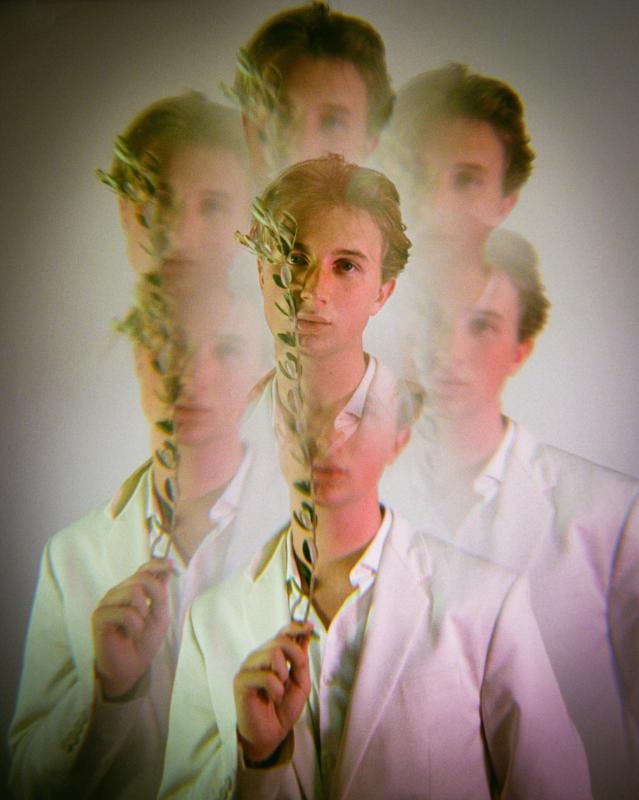
ALLISON CRUTCHFIELD

Rock
Indie Rock
Punk Rock
 Viberate Rank: 134261
 Viberate Rank: 134261
 Monthly ListenersFollowers
 Subscribers
 Followers
 Followers
 FansTop Spotify Songs
| Track | 7-Day Streams | |
|---|---|---|
1 | 12.12K | |
2 | 11.50K | |
3 | 9.28K | |
4 | 7.32K | |
5 | 6.55K |
Top YouTube VideosMonthly ListenersFeatured in Playlists| Playlist | Followers | |
|---|---|---|
1 |  Roots Rising Spotify | 1.68M |
2 |  Rockin' Vibes Spotify | 610.19K |
3 |  Indie Twang Spotify | 101.06K |
4 |  Every Track Star* Song Track Star* | 36.86K |
5 |  NPR All Songs Considered - The Bob Boilen years (unofficial) Fri Tsch | 30.02K |
Audience| City | Monthly Listeners | |
|---|---|---|
1 | | 2.12K |
2 | | 2.10K |
3 | | 1.91K |
4 | | 1.32K |
5 | | 1.19K |
See full performance history, audience data, playlist activity, rankings, comparisons, and more in Viberate music analytics. Start with a free trial, then continue with a paid plan.
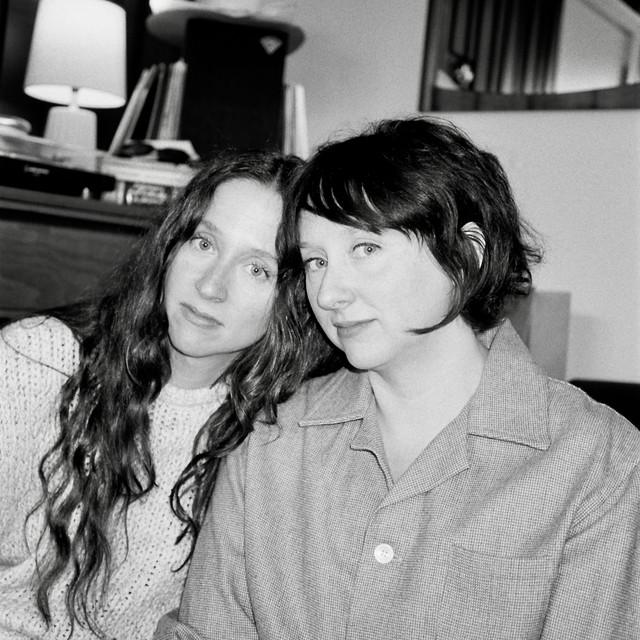
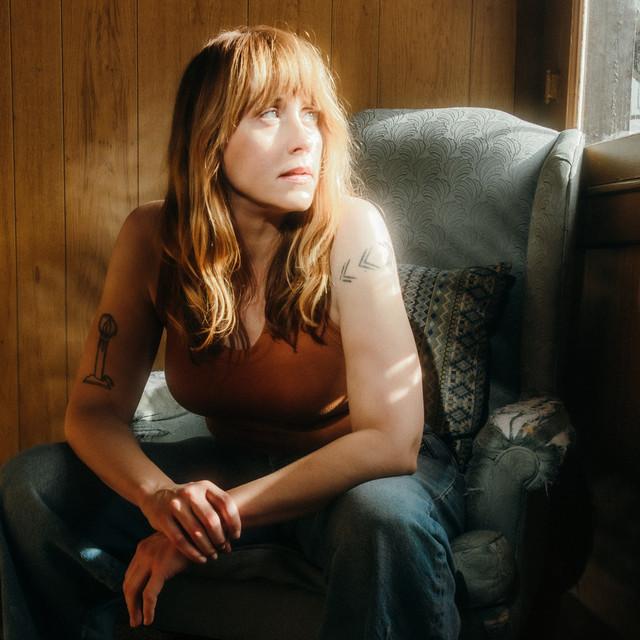
ALLISON CRUTCHFIELD’s Spotify BioA seasoned veteran of the D.I.Y. music community before she even graduated from high school, indie pop vocalist, songwriter, and instrumentalist Allison Crutchfield had made her mark with a handful of noted independent bands before she stepped forward into a solo career. Allison Crutchfield and her twin sister Katie Crutchfield were born in Birmingham, Alabama on January 4, 1989. Both had a passionate interest in music, and when they were 15, they formed a band, the Ackleys, with Allison on keyboards and Katie on guitar. The Ackleys' lively take on indie rock won them a devoted local following, and they became fixtures in the Southern D.I.Y. community. The band broke up in 2007, and the Crutchfield sisters launched a new project, P.S. Eliot, with Allison on drums and Katie on guitar. P.S. Eliot specialized in moody, emotionally emphatic music that veered between punk and indie pop; the group released two albums, 2009's Introverted Romance in Our Troubled Minds and 2011's Sadie, before… the bandmembers parted ways in late 2011, shortly after relocating to Brooklyn, New York. (In 2016, Don Giovanni Records released a P.S. Eliot anthology, 2007-2011.)
Allison and Katie next worked together in the short-lived group Bad Banana, until Katie formed a new group of her own, Waxahatchee. Allison in turn formed a band, Swearin', which featured her on guitar and vocals, Kyle Gilbride on guitar, Keith Spencer on bass, and Jeff Bolt on drums. Swearin' made their debut with a 2011 EP titled What a Dump, and cut two albums, 2012's Swearin' and 2013's Surfing Strange. However, Allison and Kyle Gilbride became romantically involved, and when their relationship took a turn for the worse, it led to the breakup of the band. In 2014, as Swearin' were beginning to wind down, Allison Crutchfield made her solo recording debut with a seven-song EP, Lean in to It. In 2016, Allison and Katie reunited P.S. Eliot for a short tour in support of the 2007-2011 collection. That same year, Allison signed a recording deal with Merge Records and began work on her first full-length solo effort. That album, Tourist in This Town, appeared in January 2017. ~ Mark Deming, Rovi
Viberate is a music analytics platform built for A&Rs, artist managers, labels, booking agents, marketers, and artists.
It helps music professionals track artist growth, analyze audience data, monitor playlist activity, compare artists, follow song performance, and identify opportunities across the music market.
Public artist pages provide a free preview of selected artist data. Paid plans provide access to deeper analytics, historical data, charts, comparisons, playlist tools, exports, alerts, reports, and additional professional features.
Yes. Public Viberate artist pages provide selected artist analytics and music data for free.
Viberate also offers a 7-day free trial of the full platform. A credit card is required to start the trial. The trial includes access to the complete product so users can test deeper artist analytics, historical views, playlist insights, comparisons, charts, exports, alerts, and reporting features before choosing a paid plan.
Viberate provides artist analytics across streaming, playlists, social media, video, radio airplay, songs, and audience markets.
Users can analyze Spotify performance, Spotify and Apple Music playlists, YouTube activity, TikTok and Instagram growth, radio spins, song performance, audience locations, demographics, rankings, and overall artist momentum.
Artist profiles also connect to music charts, similar artists, and comparison tools, helping users benchmark performance and evaluate artists in context.
Viberate updates key artist and track data daily.
For followed artists and tracks, selected data is refreshed multiple times per day. This helps teams monitor playlist changes, streaming movement, audience growth, releases, and campaign performance with more current data.
Update frequency can vary depending on the metric and data source.
Yes. Viberate lets users compare up to five artists side by side across streaming, social media, audience, and engagement metrics.
Users can compare fanbase growth, audience demographics, locations, Spotify performance, social metrics, and other artist data over selected time periods.
Artist comparison can be used for A&R scouting, benchmarking, booking decisions, campaign planning, and evaluating artists with similar audiences or market positions.