Warren Vache

Jazz
Smooth Jazz
Bebop
 Viberate Rank: 360270
 Viberate Rank: 360270
 Monthly ListenersFollowers
 Subscribers
 Followers
 Followers
 FansTop Spotify Songs
| Track | 7-Day Streams | |
|---|---|---|
1 | 586 | |
2 | 455 | |
3 | 344 | |
4 | 155 | |
5 | 97 |
Top YouTube VideosMonthly ListenersFeatured in Playlists| Playlist | Followers | |
|---|---|---|
1 |  Dark Jazz & Jazz Noir Jon Chang | 23.72K |
2 |  Jazz Live & Loud Spotify | 18.76K |
3 |  Tom & Jerry Erin Jackson | 10.35K |
4 |  Sevginin Gücü sezyum | 6.54K |
5 |  Dark Jazz & Noir Music Alex Dahl | 4.83K |
Audience| City | Monthly Listeners | |
|---|---|---|
1 |  | 76 |
2 |  | 53 |
3 | | 51 |
4 |  | 50 |
5 | | 47 |
See full performance history, audience data, playlist activity, rankings, comparisons, and more in Viberate music analytics. Start with a free trial, then continue with a paid plan.
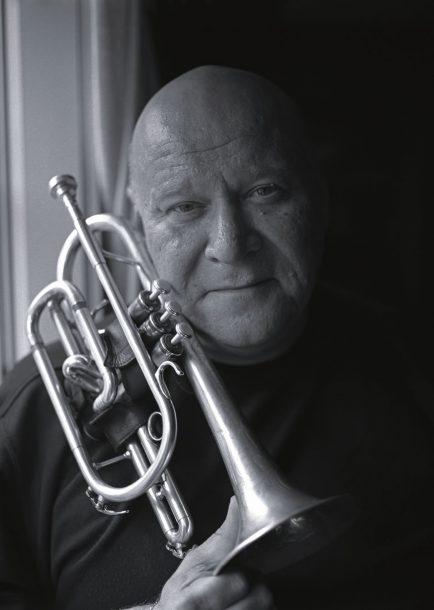
Warren Vache’s Spotify BioA dynamic jazz cornetist, Warren Vaché is a highly regarded performer known for his dedication to small-group swing. Vaché, who always had a beautiful tone and a chance-taking style, is the son of a fine bassist (Warren Vaché, Sr.) and the brother of clarinetist Allan Vaché. He studied music with Pee Wee Erwin; gained early experience playing with Benny Goodman, Vic Dickenson, and Bob Wilber; and has been a leader since the mid-'70s with albums like 1976's First Time Out, 1979's Polished Brass, and 1989's Warm Evenings.
Often teamed in his early years with tenor man Scott Hamilton, Vaché continued to record often, and has been a regular at jazz parties and swing-oriented festivals. He has stayed active, delivering albums like 2004's Dream Dancing, 2006's Don't Look Back with the Scottish Ensemble, and 2011's Ballads and Other Cautionary Tales. In 2014, he paired with longtime associate saxophonist Alan Barnes for The Cobbler's Waltz, followed in 2017 by The Jazzcats with pianist George… Small and French horn player Sarah Larson. ~ Scott Yanow, Rovi
Viberate is a music analytics platform built for A&Rs, artist managers, labels, booking agents, marketers, and artists.
It helps music professionals track artist growth, analyze audience data, monitor playlist activity, compare artists, follow song performance, and identify opportunities across the music market.
Public artist pages provide a free preview of selected artist data. Paid plans provide access to deeper analytics, historical data, charts, comparisons, playlist tools, exports, alerts, reports, and additional professional features.
Yes. Public Viberate artist pages provide selected artist analytics and music data for free.
Viberate also offers a 7-day free trial of the full platform. A credit card is required to start the trial. The trial includes access to the complete product so users can test deeper artist analytics, historical views, playlist insights, comparisons, charts, exports, alerts, and reporting features before choosing a paid plan.
Viberate provides artist analytics across streaming, playlists, social media, video, radio airplay, songs, and audience markets.
Users can analyze Spotify performance, Spotify and Apple Music playlists, YouTube activity, TikTok and Instagram growth, radio spins, song performance, audience locations, demographics, rankings, and overall artist momentum.
Artist profiles also connect to music charts, similar artists, and comparison tools, helping users benchmark performance and evaluate artists in context.
Viberate updates key artist and track data daily.
For followed artists and tracks, selected data is refreshed multiple times per day. This helps teams monitor playlist changes, streaming movement, audience growth, releases, and campaign performance with more current data.
Update frequency can vary depending on the metric and data source.
Yes. Viberate lets users compare up to five artists side by side across streaming, social media, audience, and engagement metrics.
Users can compare fanbase growth, audience demographics, locations, Spotify performance, social metrics, and other artist data over selected time periods.
Artist comparison can be used for A&R scouting, benchmarking, booking decisions, campaign planning, and evaluating artists with similar audiences or market positions.